Politics news and discussion on TalkFuse.
Farewell to the electoral college? Democrats now control enough states to elevate the popular vote
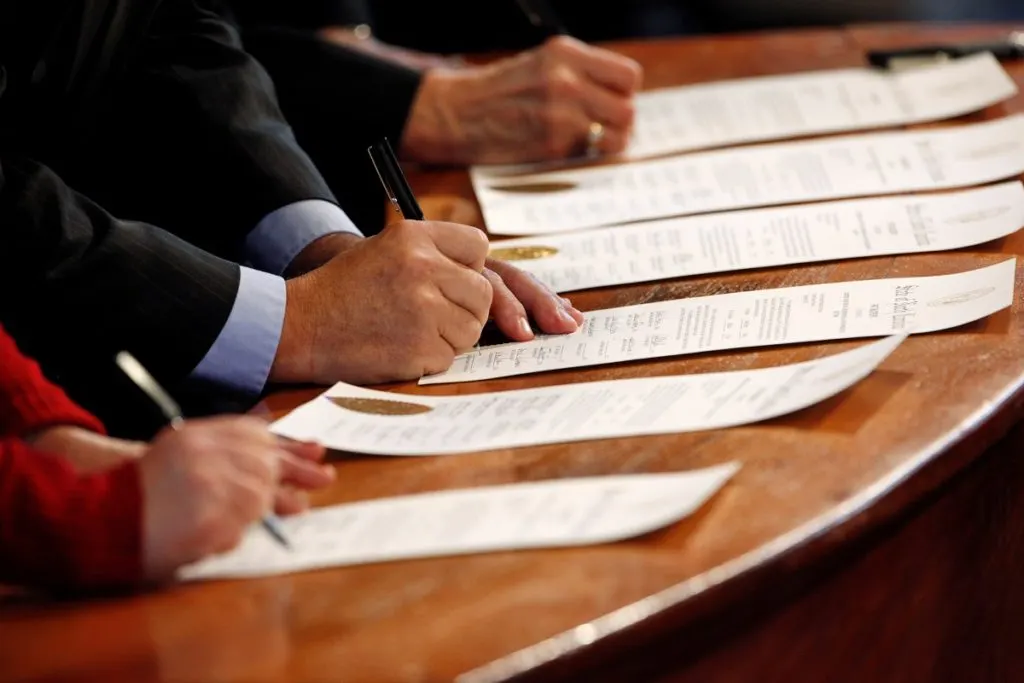
Democrats’ gains in state elections could bring the US closer to changing how it chooses its president. If enough states join the National Popular Vote Interstate Compact, they would pledge their Electoral College votes to the candidate who wins the nationwide popular vote, shifting campaigns away from a small number of battleground states.
The compact currently covers states with 222 Electoral College votes; it needs states representing 270 votes to take effect. Democrats won full control in six states with a combined 71 votes, but support among their new governors and lawmakers is uncertain. Pennsylvania and Wisconsin joining would mean Michigan and either Arizona or Nevada would also need to sign up, and the plan could face legal challenges, possibly reaching the Supreme Court.
In short
- The compact has 222 of the 270 electoral votes needed.
- Recent Democratic gains could help it reach the threshold.
- Governors’ support and legal challenges remain uncertain.
Steelman: both sides, in good faith
The strongest fair case each way — we don't pick a winner.
The case for
The compact offers a way for states to ensure the presidency reflects the nationwide popular vote while working within the Electoral College framework. Supporters argue it could make every vote matter more equally, broaden campaign attention beyond a handful of battleground states and avoid the formidable hurdle of a constitutional amendment.
The case against
Critics argue that states should not use an interstate agreement to redirect their electoral votes in a way that could bypass the system’s state-by-state design, especially before its constitutionality is settled. They also worry that a national tally could bring recounts or disputes across many jurisdictions, and that changing campaign incentives this way may create new problems rather than improve representation.
Explained simply
The US elects its president through the Electoral College, a system in which each state has a set number of votes based largely on its population. In nearly every state, the candidate who wins the state’s popular vote receives all its electoral votes, so campaigns often focus on a small number of closely contested states.
The National Popular Vote Interstate Compact is an agreement among states to award their electoral votes to the winner of the nationwide popular vote. It would take effect only when member states together hold at least 270 of the Electoral College’s 538 votes, enough to decide the presidency.
The compact’s supporters say it would make each vote count equally across the country and change where candidates campaign. Its opponents question whether states can make this agreement under the Constitution, so any change could face court challenges.