FBI touts 6,000 arrests, 44% homicide drop one year into Trump’s DC crime crackdown
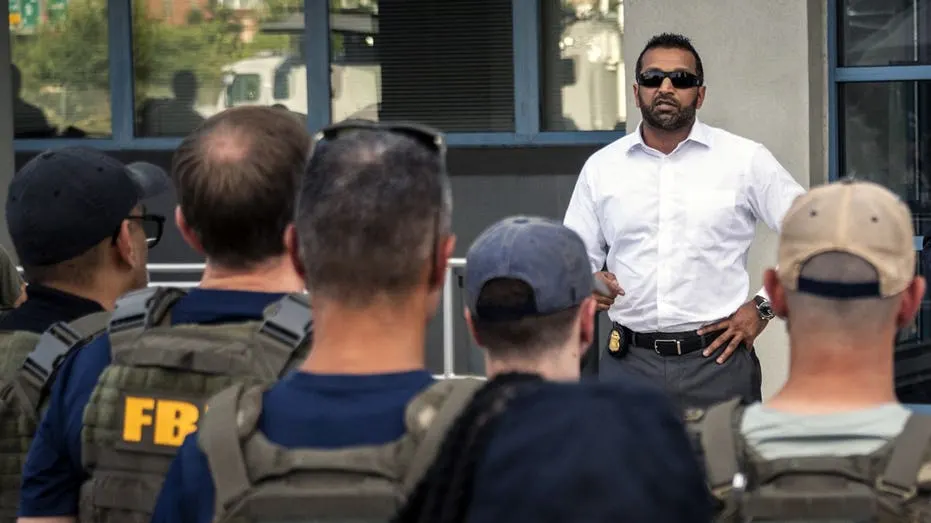
The FBI says that, one year after the Trump administration intensified federal crime enforcement in Washington, D.C., the operation has led to about 6,000 arrests and a 44% fall in homicides. The figures are significant because they are being presented as evidence that the federal crackdown has reduced violent crime in the US capital.
According to the FBI, the broader effort has also involved seizures and enforcement action against crime and fraud networks. The article frames the anniversary as a milestone for the administration’s public-safety policy, while the reported homicide reduction is based on figures highlighted by the FBI.
- FBI says 6,000 arrests were made during Washington’s federal crime crackdown.
- The bureau reports homicides fell by 44% over the year.
- Officials cite the figures as evidence of improved public safety.
Both sides, in good faith
The strongest fair case each way — we don't pick a winner.
The case for
Advocates of the federal crackdown point to the measurable 44% reduction in homicides as evidence that intensified enforcement delivers tangible public safety results. They contend that federal resources and interstate law enforcement capabilities are essential for tackling criminal networks that local agencies cannot effectively address alone, and that preventing deaths in the nation's capital justifies the enforcement effort.
The case against
Critics emphasise that a single year provides insufficient evidence of causation, as homicide rates naturally fluctuate and other factors—economic conditions, social programmes, demographic shifts—may explain the decline independently. They raise concerns about federalising local policing, questioning whether the arrangement respects local accountability and civil liberties, and whether the scale of arrests was conducted fairly without creating disparate impacts on particular communities.