US proposal could exempt more food chemicals from safety review
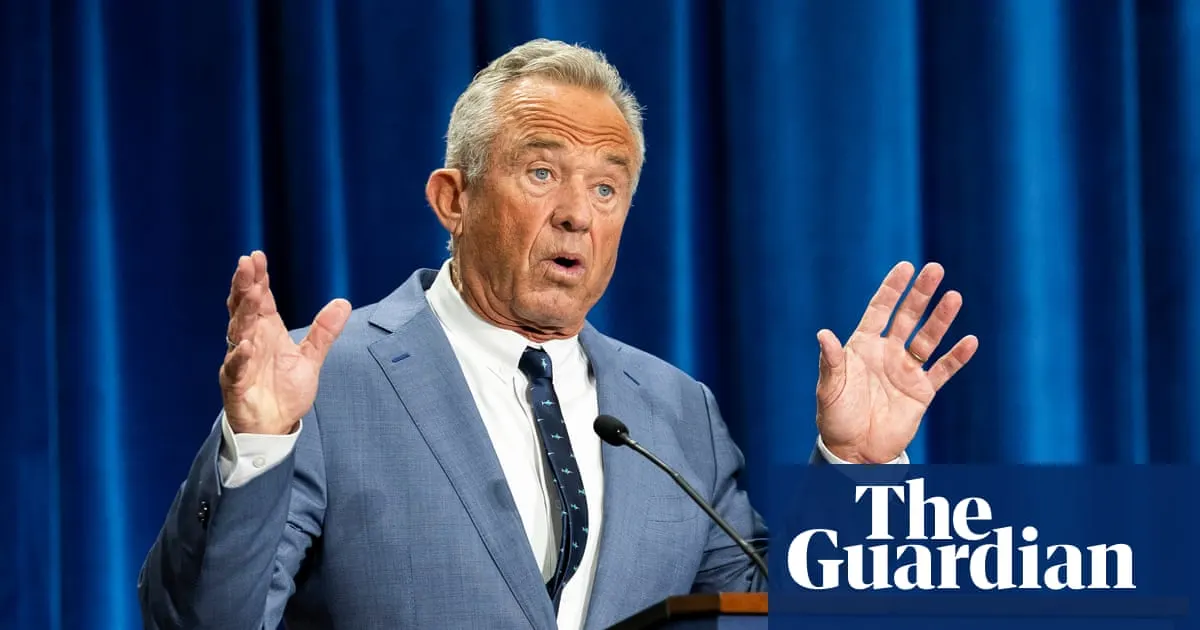
The US Food and Drug Administration is proposing to expand an exemption that could let companies add certain chemicals directly to food without a safety review. Public health advocates say the change could expose consumers to substances that may cause harm even at very low levels, raising concerns about the safety claims made by the FDA and health secretary Robert F Kennedy Jr.
The existing threshold of regulation exemption applies to chemicals in food packaging or processing equipment at levels below 0.5 parts per billion, provided they are not carcinogenic. The proposal would extend it to uses including flavourings, preservatives and processing aids, with advocates warning that it could cover substances such as perchlorate, some phthalates and PFAS. They also say the rule overlooks the combined effects of multiple chemicals and would leave consumers unable to identify exempted substances on product labels.
- The FDA proposes expanding a chemical exemption to ingredients added directly to food.
- Advocates warn some substances may cause harm below the 0.5 ppb threshold.
- Consumers may not be able to tell whether products contain exempted chemicals.
New here? Start with this
In the United States, companies that want to add new chemicals to food must first prove to the Food and Drug Administration that they are safe. However, there is an exemption to this rule for certain chemicals used in food packaging or processing equipment, which are permitted at extremely low levels if they do not cause cancer. This exemption was designed for substances not intended to end up in significant amounts in the food people eat.
Some scientists and health advocates warn that certain chemicals can cause harm even at very low concentrations in the body. Examples include PFAS, phthalates and perchlorate, which researchers believe may affect human health even at tiny exposure levels. Another concern is that people are exposed to many different chemicals throughout their lives, but scientists do not fully understand the combined impact of consuming multiple chemicals together.
Because of how the exemption system works, consumers cannot identify which chemicals are used as processing aids or remain in their food at low levels. The exemption means companies do not need to provide safety testing or list these chemicals on product labels, leaving consumers unaware of their overall exposure to chemical additives.
Both sides, in good faith
The strongest fair case each way — we don't pick a winner.
The case for
The FDA's position rests on sound scientific principles: chemicals at extremely low concentrations—parts per billion—present negligible risk to consumers. The existing exemption for packaging and processing has operated safely for years, and extending it to additional categories like flavourings and preservatives recognises that regulatory burden should be proportionate to actual hazard. Resources are better spent scrutinising genuinely dangerous substances than requiring individual safety reviews for trace-level additives where dose and exposure are demonstrably minimal.
The case against
The precautionary principle demands that regulators bear the burden of safety testing before chemicals enter the food supply, especially when evidence suggests that some substances—including PFAS, perchlorate and certain phthalates—cause health effects at low doses that conventional risk assessment may underestimate. The proposal fails to account for cumulative exposure across multiple exempted chemicals or consumers' right to identify what they consume, and expanding exemptions risks normalising chemical additives without genuine evidence that eliminating individual safety reviews protects either consumers or public health.
Americas Business Culture Food Health Medicine World
Read the full article at the source →
Originally published by The Guardian as “FDA may allow some toxic chemicals to be added to food without safety review. Experts are alarmed”.