‘Fear of the right is holding us to ransom’: Readers react as Burnham sticks to Starmer’s Brexit red lines
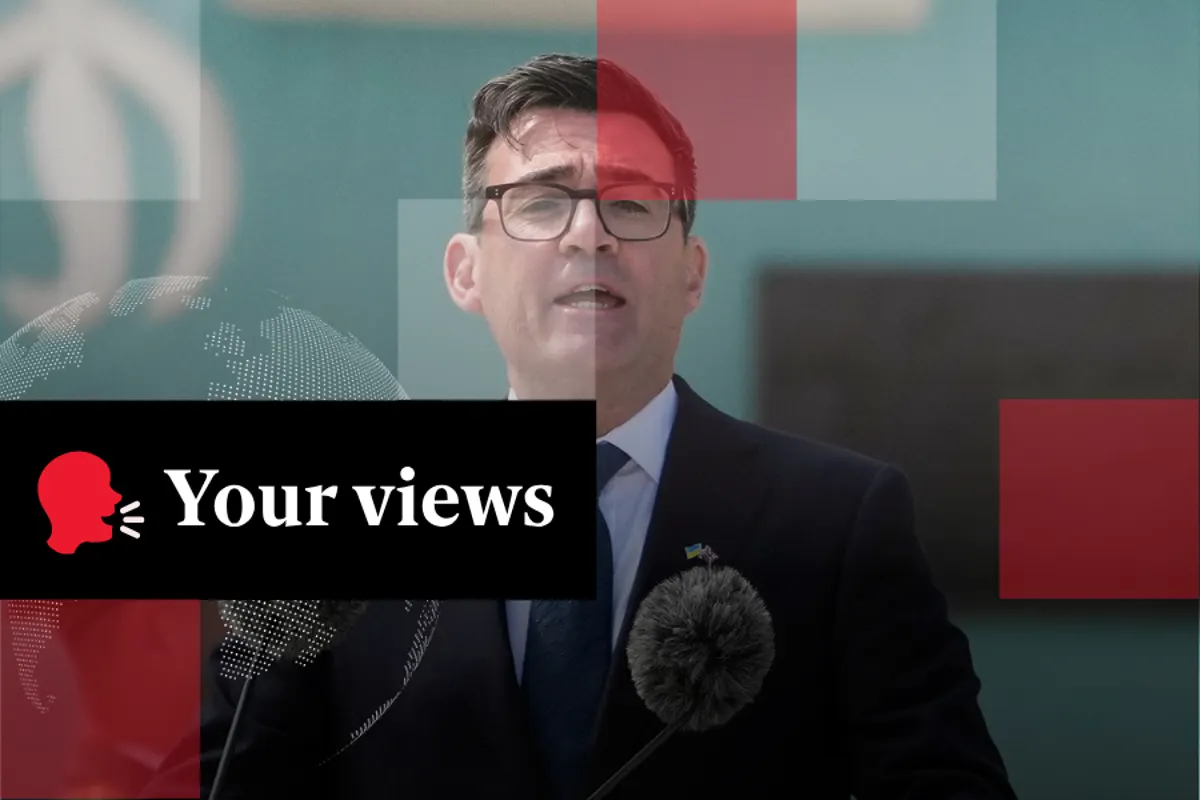
Readers of The Independent have responded with mixed reactions after Andy Burnham confirmed he would stick to Sir Keir Starmer's Brexit red lines, just days after suggesting he wanted to be "bolder" on relations with Europe. Downing Street stated on Monday that the UK will not seek to rejoin the EU, the single market, the customs union or free movement, disappointing those who had hoped the new prime minister would take a different approach to Britain's relationship with the bloc.
Some readers criticised the decision, pointing to recent trips to France and Italy where they found food, drink and everyday costs significantly cheaper than in the UK, arguing this showed what had been lost through Brexit. Others defended the caution, saying any reversal should wait for a fresh electoral mandate, with several upholding the legitimacy of the 2016 referendum result; one pointed out the EU has ruled out single market access without full membership, which requires accepting all four freedoms, and noted the UK's debt level, at close to 100 per cent of GDP, exceeds the EU's 60 per cent limit for new members. Several readers predicted the UK would eventually rejoin the EU, but not within this parliament.
- Burnham confirms he'll keep Starmer's Brexit red lines intact
- Readers split between wanting closer EU ties and backing caution
- Some cite cheaper living costs abroad; others cite referendum legitimacy
New here? Start with this
The UK left the European Union in 2020, following the 2016 referendum. Since then, successive governments have ruled out rejoining the EU, its single market or customs union, and restoring free movement, which allows people to live and work across member countries.
Andy Burnham is a senior Labour politician, and Keir Starmer is the party leader and prime minister. Labour’s approach has been to seek closer practical ties with the EU while keeping those membership options off the table; changing course could affect trade, migration and the UK’s relationship with Europe.
The debate involves questions about the referendum result, the economic effects of Brexit and whether voters should be asked before major changes. EU single market participation is linked to rules on free movement, while rejoining the EU would require agreement with member states.
Both sides, in good faith
The strongest fair case each way — we don't pick a winner.
The case for
Those arguing for a bolder approach emphasise the tangible economic harm Brexit has caused, pointing to higher consumer costs for food, drink and everyday goods compared to continental Europe as evidence of what has been lost. They contend that whilst the 2016 referendum result deserves respect, changed circumstances warrant reassessment; a government should respond to voters' actual economic interests now that the real consequences are clear, rather than remain bound by a narrow mandate from a decade ago. From this perspective, waiting indefinitely for a fresh electoral mandate is a convenient excuse for avoiding necessary recalibration.
The case against
Those defending the red lines prioritise democratic principle and honest acknowledgement of constraints. Any reversal of such a major constitutional decision requires explicit electoral consent; abandoning Brexit without asking voters again would undermine their authority and set a troubling precedent. Beyond principle, practical obstacles matter: the EU itself rules out partial membership and requires accepting all four freedoms, eliminating middle-ground options, whilst the UK's debt at nearly 100 per cent of GDP exceeds the EU's 60 per cent limit for new members. Caution, from this view, is not cowardice but integrity about what is actually achievable rather than promising impossible compromises.