Politics news and discussion on TalkFuse.
Federal appeals court rejects Trump bid to enforce mail ballot order ahead of midterm elections
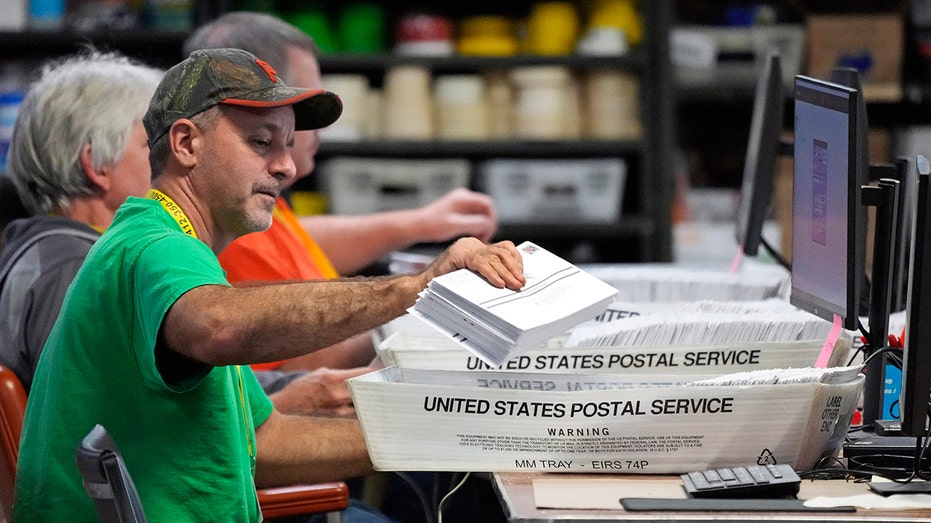
A federal appeals court has blocked the Trump administration from enforcing key parts of an executive order tightening mail-in voting rules across 23 Democratic-led states, dealing a setback to the White House's efforts to change election procedures ahead of the midterm elections. The ruling maintains the status quo on mail ballot handling in those states while legal challenges to the order continue, and comes amid a broader pattern of judicial pushback against several of Trump's election-related initiatives.
The order, issued by Trump, had sought to impose stricter requirements on how mail-in ballots are processed and counted, a move critics argued oversteps federal authority over state-run elections. The appeals court's decision on Saturday means the disputed provisions cannot be enforced while litigation proceeds, leaving existing mail voting rules in place in the affected states as the midterms approach. The case forms part of wider tensions between the administration and courts over election integrity measures, including separate rulings on voter verification databases and registration disputes in various states.
In short
- Appeals court blocks Trump's mail-in voting order in 23 states.
- Ruling halts enforcement while legal challenges continue.
- Comes amid wider judicial pushback on election integrity measures ahead of midterms.
Steelman: both sides, in good faith
The strongest fair case each way — we don't pick a winner.
The case for
Those supporting the order argue that election integrity is a paramount federal concern, since federal representation depends on secure voting procedures. Mail-in voting presents documented vulnerabilities to fraud and mishandling that warrant standardised safeguards across states. The federal government has legitimate authority to establish baseline requirements for how votes are counted when federal offices are at stake. Stricter procedures protect every citizen's vote by ensuring only valid ballots are counted, making this a reasonable exercise of executive authority over matters of national electoral integrity.
The case against
Those opposing the order contend that states, not the federal executive, bear constitutional responsibility for running elections, and this federalism principle should not be lightly overridden. Mail-in voting has operated successfully in numerous states for years without evidence of widespread fraud justifying the administration's concerns. Federal mandates imposed without congressional input risk disenfranchising legitimate voters through arbitrary procedural barriers. The proper remedy for electoral concerns lies with Congress passing legislation, not with an Executive Order unilaterally rewriting longstanding state election procedures.
Explained simply
Mail-in voting allows voters to cast ballots by post rather than in person at polling stations. In recent years, this voting method has grown significantly in the United States, and rules governing how these ballots are processed and counted vary considerably between states.
In the United States, states are primarily responsible for running elections and setting voting procedures, though the federal government can impose certain election rules. This creates ongoing legal disputes about where the line between federal and state authority lies, and whether one level of government can override decisions made by the other.
The Trump administration has sought to reshape election procedures through executive orders and policy changes, arguing these are necessary for election integrity. Courts have repeatedly blocked or challenged these efforts, reflecting disagreements about whether the administration has the legal authority to impose such changes and whether they would enhance or restrict voting access.