World news and discussion on TalkFuse.
Female police officers warned to ‘be careful’ when approaching Muslim men
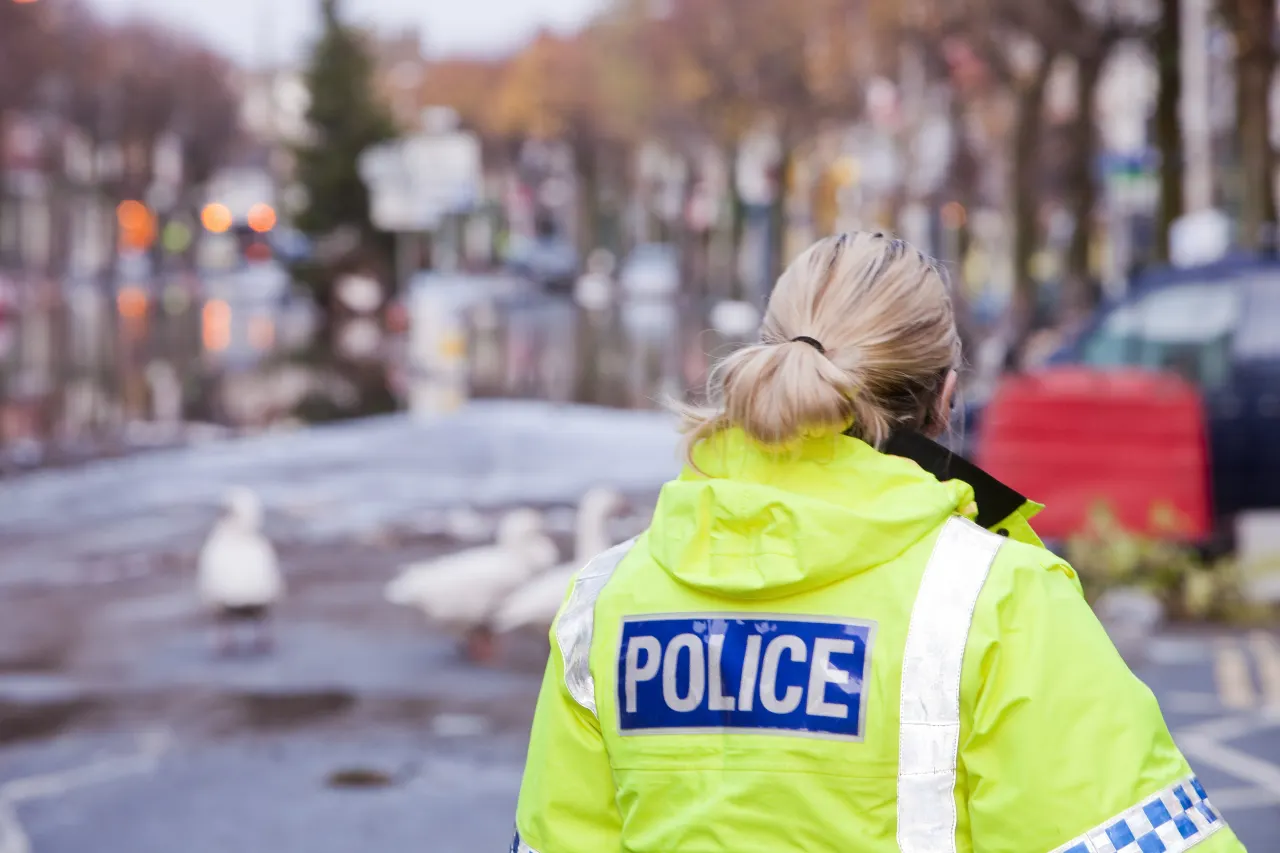
The National Police Chiefs' Council (NPCC) has published a faith toolkit giving police officers guidance on working with diverse religious communities. It advises female officers to consider "cultural factors" when approaching Muslim men, and the report has drawn political criticism. Nigel Farage called it "institutional two-tier policing", while Chris Philp, the Shadow Home Secretary, urged that it be withdrawn.
The guidance covers Islam, Buddhism, Judaism and Catholicism, with the Islam section longer and more detailed than the others. It tells officers to dress modestly and avoid speaking to the opposite sex in some Muslim households and mosques, to avoid sex-specific areas, and to avoid using dogs in Muslim areas. It also calls for reporting of "anti-Muslim hate", with no equivalent for other faiths. The NPCC says policing applies equally to everyone and that religious and cultural considerations do not override the law.
In short
- Police faith guidance advises female officers to consider cultural factors with Muslim men.
- The Islam section is the longest, covering dress, segregated areas and dog use.
- Critics call it two-tier policing; the NPCC says the law applies equally to all.
Steelman: both sides, in good faith
The strongest fair case each way — we don't pick a winner.
The case for
Supporters argue that effective policing depends on understanding the communities officers serve, and that the toolkit is practical preparation rather than a change in the law. Female officers may face real constraints on mixed-sex contact in some Muslim households and mosques, and advance guidance can prevent misunderstandings, avoid unintended offence and build the trust that encourages witnesses and victims to come forward. They would point out that the guidance states law and equal treatment take precedence, and that the emphasis on Islam reflects the situations officers most often encounter and the rise in anti-Muslim hostility that they say makes reporting important.
The case against
Critics contend that operational guidance telling officers to take particular care around one faith's adherents, while giving much less detail on others, risks treating citizens differently according to religion, a principle police forces are meant to uphold. They argue that instructions about approaching men, using dogs and entering sex-specific spaces can reinforce stereotypes among officers and suggest that some communities warrant special deference, which sits uneasily with the expectation that everyone meets the same legal standard. Even if the intention is benign, they say, the disparity in length and the call to report 'anti-Muslim hate' without an equivalent for other faiths may appear to the public as institutional favouritism, weakening confidence in police impartiality.