Fever shut down Sophie Cunningham questions, abruptly end press conference
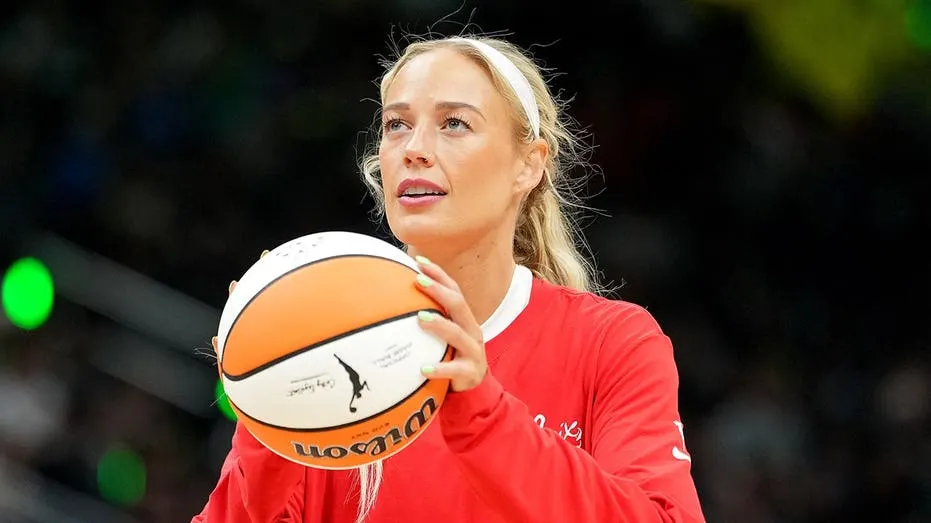
The Indiana Fever cut short a post-game press conference on Friday after a reporter from OutKick attempted to ask about recent comments Sophie Cunningham made regarding trans athletes in women's sports. Team public relations staff intervened to end the session before the question could be answered, and the exchange was later omitted from the Fever's official YouTube upload of the press conference, raising questions about media transparency around a sensitive topic.
The incident followed the Fever's 112-98 win over the Portland Fire, after forward Aliyah Boston had addressed how the team handles increased media attention. When the OutKick reporter tried to raise Cunningham's remarks with Boston and Makayla Timpson, a Fever representative cut in to wrap up the session; Boston then thanked reporters and left. The Fever also did not make Caitlin Clark available to media for a second consecutive game, despite her recording a triple-double, and it was the second straight game where a rally supporting Cunningham took place outside the arena.
In short
- Fever ended a press conference to avoid a Cunningham trans-athletes question
- The exchange was cut from the team's official YouTube upload
- Caitlin Clark was again withheld from media despite a triple-double
Steelman: both sides, in good faith
The strongest fair case each way — we don't pick a winner.
The case for
Media transparency and accountability matter when athletes publicly address controversial topics. Suppressing questions rather than engaging with them substantively prevents public understanding of players' positions and undermines the principle that those who make public statements should answer for their remarks. The Fever's pattern of cutting off the question, limiting media access to other players, and removing the exchange from official records suggests managing the message rather than defending the substance of what was said.
The case against
Sports organisations routinely manage their own press relations and have the right to set boundaries around their media access and events. If the team believed the questioning was pursuing a controversy rather than seeking genuine dialogue, they were entitled to decline extended discussion on that topic. Editorial decisions about official content and media availability are standard organisational practice. The team's primary duty is to its players' wellbeing and competitive success, not to provide a platform for every outlet's agenda.
Explained simply
The Indiana Fever are a team in the WNBA, the US professional women’s basketball league. Sophie Cunningham, Aliyah Boston and Caitlin Clark are among the players who have attracted attention both for their performances and for public discussion around the team.
Debates about transgender athletes in women’s sport concern how eligibility rules should balance inclusion and competitive fairness. Cunningham has made recent comments on the subject, making it a topic reporters may ask Fever players about.
Post-game press conferences give journalists a chance to question players and coaches, while teams organise who is available and how those sessions run. How such access is handled can shape what the public hears about a team and its players.