Fifa general secretary Mattias Grafström could stand against Infantino in election
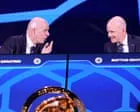
Fifa's general secretary, Mattias Grafström, has been sounded out by senior African football figures over a potential challenge to Gianni Infantino in next year's Fifa presidential election, the Guardian reports. The approach follows growing unease within the Confederation of African Football (Caf), whose executive committee claims unanimous backing for Infantino despite reports that as many as 15 African federations could withdraw their support, potentially giving Grafström or another rival a realistic path to unseating him.
Grafström initially distanced himself from Infantino's abandoned Fifa Forward Enterprise plan before publicly re-committing to "full support" for the president, yet two African federation presidents contacted him by phone last week to gauge his interest in standing, leaving him reportedly surprised and non-committal. Discontent in Africa is said to stem partly from the decision to hold the Africa Cup of Nations every four years instead of two, with only four of Caf's 21 executive committee members publicly backing Infantino at an August 7 meeting. With 54 African members among Fifa's 211 total and 106 votes needed to defeat Infantino, Africa's stance could prove decisive, especially as Asian football chief Sheikh Salman also retains support there.
- African officials have approached Grafström about challenging Infantino for Fifa presidency
- Up to 15 African federations reportedly ready to abandon support for Infantino
- Africa's 54 votes could be decisive in unseating him next year
Both sides, in good faith
The strongest fair case each way — we don't pick a winner.
The case for
Those encouraging Grafström to stand argue that football's global governance benefits from genuine contests rather than uncontested incumbency, and that a credible challenger signals a healthy, accountable Fifa rather than one dominated by a single figure for years on end. They see value in African federations having real leverage to shape the agenda, and in a candidate seen as able to unite different confederations rather than simply defer to the status quo. For advocates of reform, a contested election is itself a democratic good, encouraging fresh scrutiny of Fifa's finances, World Cup planning and relations with member associations.
The case against
Those wary of a challenge argue that Infantino has delivered tangible gains for member federations, including expanded World Cups and record revenues, and that continuity matters as Fifa manages major tournaments in the coming years. They may see leadership speculation, especially involving a sitting general secretary sounding out support quietly, as risking instability or factionalism within the organisation at a sensitive time. For those sceptical of the move, unproven promises of unity across continents are less persuasive than a track record, and they may question whether this manoeuvring reflects genuine reform impulses or simply positioning by federations seeking greater influence for themselves.