Former NSW adviser convicted of child sex offences seeks taxpayer-funded lawyer
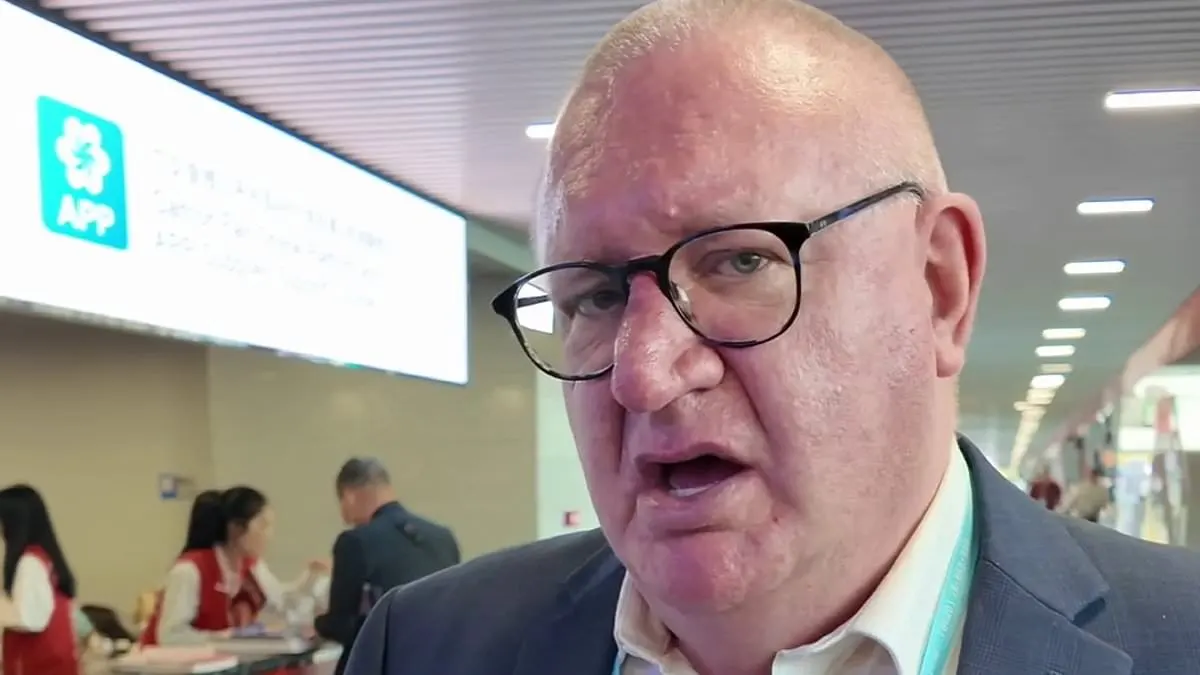
Craig Munnings, a former senior government adviser in New South Wales, has been found guilty of more than a dozen child sex offences against two girls. He evaded public identification for seven years due to a clerical error that mistakenly suppressed his name instead of his victims' identities, remaining free in the community throughout his trials. Now that he has been convicted and imprisoned, he is seeking taxpayer funding for legal representation ahead of sentencing.
Munnings, aged 61, worked for four NSW Labor ministers over a 12-year career and operated a lobbying company that remains registered despite his imprisonment. The trials, which began in 2019, were repeatedly delayed or abandoned, with Munnings claiming various health conditions including prostate cancer and heart issues. He represented himself throughout the process and ingested painkillers at the bar table in Gosford District Court immediately after being found guilty.
- Former NSW government adviser convicted of child sex crimes after seven-year suppression order error
- Allowed to continue lobbying whilst facing trials; now seeking legal aid after conviction
- Name remained secret due to clerical mistake; trials repeatedly delayed over six years
New here? Start with this
Craig Munnings is a former senior adviser to NSW Labor ministers who has been convicted of child sex offences against two girls. His case has attracted significant attention because of several unusual circumstances surrounding the legal process. Understanding the background is important for making sense of current proceedings in this matter.
For seven years, Munnings' identity was kept secret from the public due to a clerical error in court records that mistakenly protected him instead of his victims. During this period, he remained free in the community whilst his trials progressed, with multiple delays and abandoned hearings spanning several years. This represented a fundamental error in the application of name suppression, which is intended to protect vulnerable witnesses and victims.
Munnings had a lengthy career in NSW government, working for four different Labor ministers over 12 years, and operated a lobbying company that remains registered despite his imprisonment. His case raises broader questions about access to justice and accountability in the legal system, particularly when those with government connections become involved in serious criminal matters.
Both sides, in good faith
The strongest fair case each way — we don't pick a winner.
The case for
The right to legal counsel is fundamental to the justice system's legitimacy. Regardless of wealth or the severity of crimes, every person deserves proper representation to ensure sentencing is fair and not arbitrary. Allowing the state to deny counsel based on financial status risks creating a system where justice depends on ability to pay. The principle that counsel is essential applies equally to all, and the state has an obligation to uphold this standard.
The case against
Legal aid systems exist for those genuinely unable to afford representation. Munnings is a wealthy former government adviser and business operator who chose to represent himself whilst having the means to hire counsel. Channelling scarce public resources to someone of his financial capacity, when many in genuine poverty lack adequate legal representation, represents a misallocation that undermines legal aid's core purpose of ensuring access to justice for the truly disadvantaged.
Read the full article at the source →
Originally published by Daily Mail as “Foul paedophile Craig Munnings stalked the halls of power in New South Wales. His vile crimes were mysteriously kept secret for years. Now he wants you to pay his legal bill”.