Nuclear weapons pose a more immediate threat than artificial intelligence
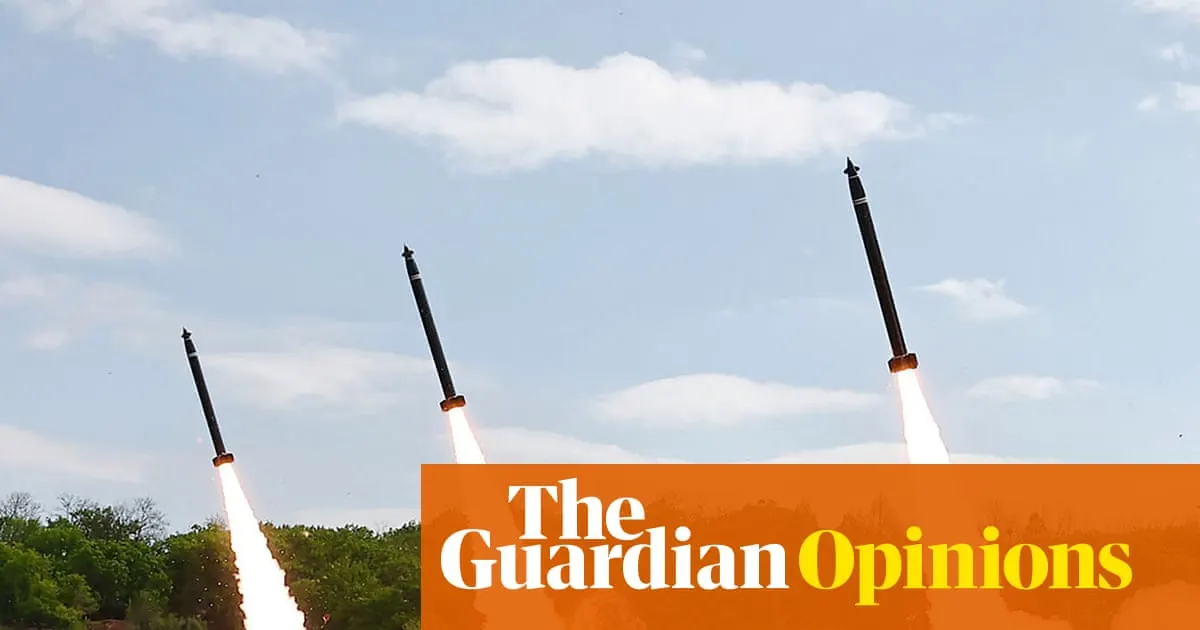
The article argues that public attention is fixed on the possible dangers of artificial intelligence while the spread of advanced nuclear weapons poses a more immediate and established threat. It warns that complacency, political rhetoric and weakening trust in deterrence could make nuclear conflict more likely.
The piece cites Russian President Vladimir Putin’s threat to use Russia’s roughly 4,400 warheads if Nato acted against Kaliningrad, and says battlefield nuclear use could become more conceivable as Ukraine strikes inside Russia. It also criticises US President Donald Trump’s claims about Iran’s nuclear ambitions, his threat to “annihilate” Iran, and US nuclear modernisation; the supplied article text ends mid-sentence.
- Nuclear proliferation is presented as a more immediate danger than AI.
- Russia has about 4,400 nuclear warheads, the article says.
- The article warns that threats and disbelief can undermine deterrence.
New here? Start with this
Concerns about artificial intelligence focus on dangers that might emerge in the future. Nuclear weapons, by contrast, already exist in quantities sufficient to destroy civilisation multiple times over, making the risks they pose immediate and concrete rather than speculative.
For several decades, countries with nuclear weapons have refrained from using them against each other, each knowing that retaliation would bring catastrophic consequences. Recent years have seen mounting military tensions and political statements that observers worry could undermine this restraint.
Russia possesses thousands of warheads and tensions with Nato over Ukraine have introduced the possibility of their use in actual conflict. Nuclear weapons are also being modernised globally, and political rhetoric about nuclear weapons has become more confrontational than in previous decades.
Both sides, in good faith
The strongest fair case each way — we don't pick a winner.
The case for
Proponents argue that nuclear weapons represent a proven, immediate threat with thousands of warheads actively deployed and ready for use, a capacity already demonstrated to cause mass casualties. Current geopolitical tensions—particularly Russian nuclear rhetoric surrounding Ukraine and NATO, and deteriorating US-Iran relations—create realistic near-term risks of escalation that a weakened deterrence architecture may no longer reliably prevent. They contend that AI risks, whilst potentially severe, remain speculative and uncertain in timescale, whereas nuclear conflict could occur within months under current circumstances.
The case against
Those prioritising AI risk contend that advanced artificial intelligence systems could soon exceed human control and comprehension, representing a fundamentally different kind of threat because deployment would be automatic rather than requiring human decision-making. They emphasise that the exponential pace of AI progress means the window to ensure safe alignment with human values is narrowing rapidly, and that resources diverted from AI safety to address conventional threats risk sleepwalking into a catastrophe unprecedented in human experience. Unlike nuclear deterrence, which has functioned through cold war and after, AI presents no proven mechanisms for safe management once capabilities reach critical thresholds.
Celebrity Entertainment Environment Science Technology
Read the full article at the source →
Originally published by The Guardian as “Fixated on AI, the world has forgotten what is staring it in the face: nuclear annihilation | Simon Tisdall”.