Technology news and discussion on TalkFuse.
Former SEC Chair Gary Gensler says ‘AI bubble’ will burst, trigger recession by 2028 election
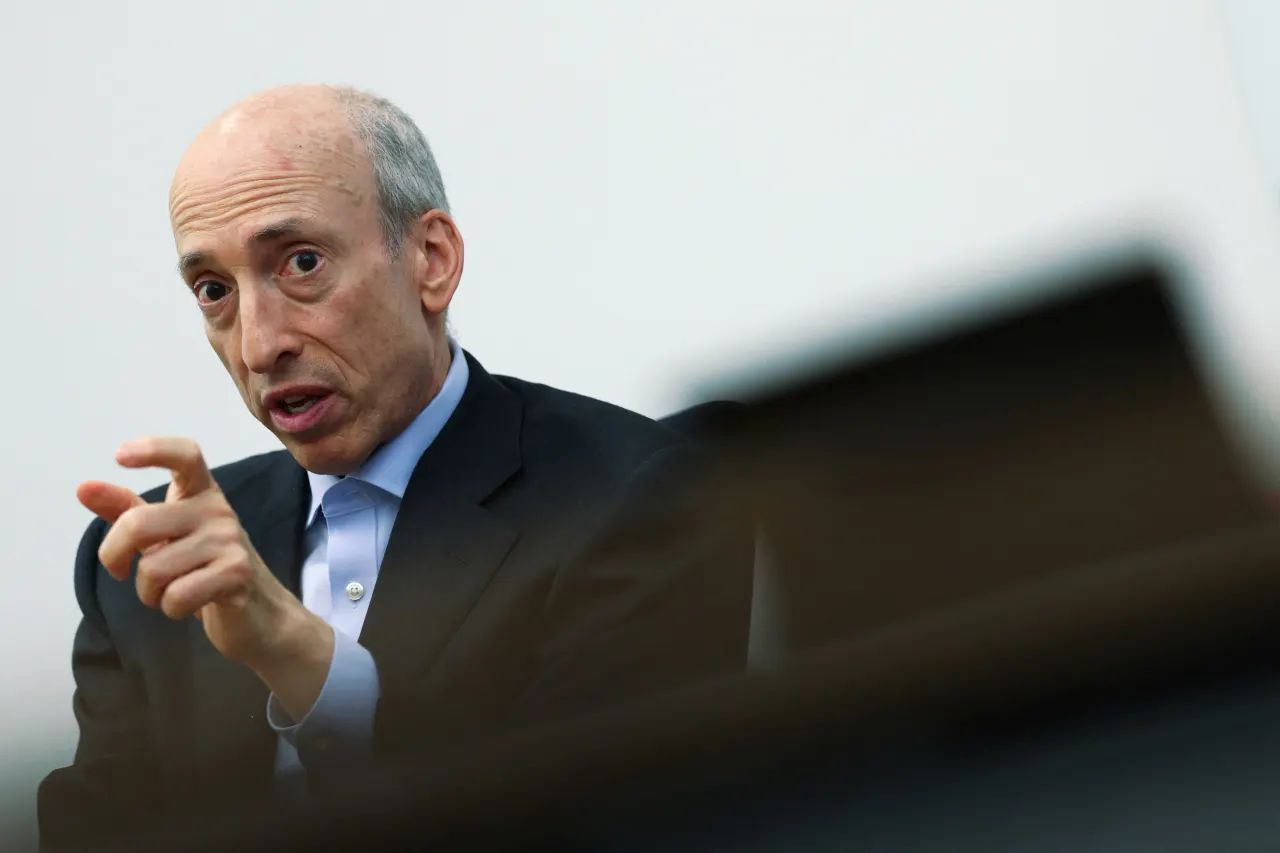
Former US Securities and Exchange Commission chair Gary Gensler warned that heavy investment in artificial intelligence has created a bubble that could burst and bring a recession before the 2028 presidential election. He said the scale of spending and borrowing raises the risk that promised returns will not materialise, though he expects major technology companies to survive.
Gensler put annual AI infrastructure spending at about $800 billion and said Big Tech firms are spending five times more in 2026 than three years ago. He compared the boom with past investment bubbles in railways, electricity and the internet, and said the fallout could be comparable to the dot-com crash but less severe than the 2008 financial crisis. Smaller firms, he cautioned, could face bankruptcies.
In short
- Gensler says AI investment has created a bubble.
- He warns it could burst before the 2028 election.
- Smaller firms may be more vulnerable than Big Tech.
Steelman: both sides, in good faith
The strongest fair case each way — we don't pick a winner.
The case for
Gensler’s warning is that extraordinary spending and borrowing may be built on returns that fail to materialise, leaving companies and lenders exposed if demand disappoints. Past investment booms in railways, electricity and the internet show how useful technologies can still attract excessive funding, with smaller firms especially vulnerable when expectations turn.
The case against
Large technology companies may be investing in infrastructure for a technology with broad potential uses, so high spending alone does not establish that a damaging bubble exists. Even if some projects or smaller firms fail, the largest companies may absorb losses and the adjustment could be less severe than past financial crises; predicting a recession by a particular election is especially uncertain.
Explained simply
Artificial intelligence (AI) is technology that can perform tasks such as analysing information or generating text and images. Building and running large AI systems requires data centres, computer chips and substantial amounts of electricity, prompting technology companies to invest heavily in infrastructure.
Gary Gensler is a US financial regulator who chaired the Securities and Exchange Commission, which oversees securities markets and companies that raise money from investors. His comparison with earlier investment booms reflects a familiar risk: companies may spend heavily on new technology before it becomes clear whether it can generate enough income to justify the cost.
The scale and source of the investment matter because losses could affect companies, lenders and investors, and potentially wider economic activity. Large technology firms and smaller businesses may be affected differently, depending on their financial resources and how quickly demand for AI services grows.
AI Americas Business Economy Elections Politics Technology World