Politics news and discussion on TalkFuse.
French ex-PM Philippe pledges to slash spending, hike retirement age as Elysée bid falters
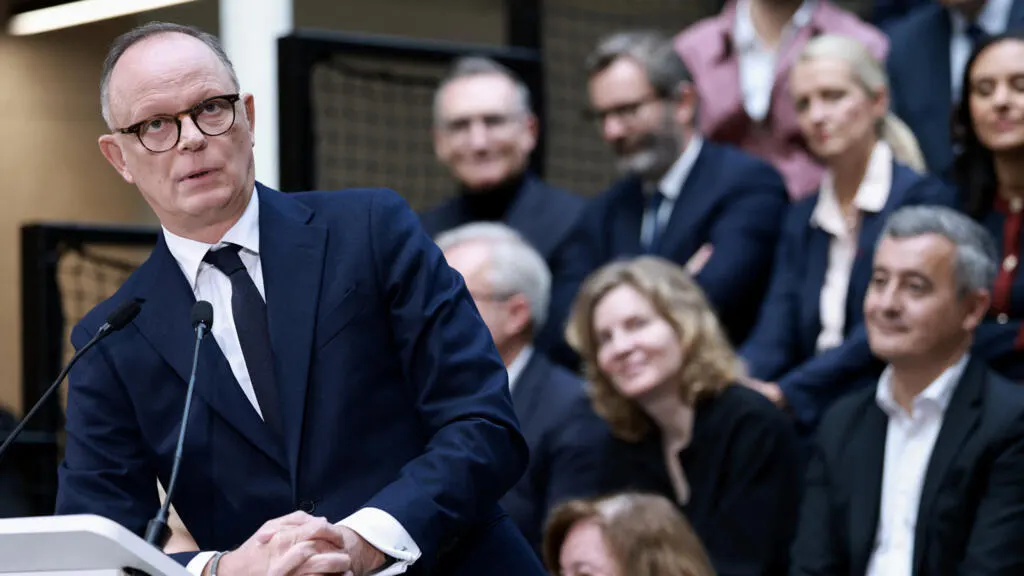
Former French prime minister Édouard Philippe has proposed sharp spending cuts and higher retirement ages, warning France is nearing a financial crisis. His economic message comes as he trails far-right candidate Marine Le Pen and far-left candidate Jean-Luc Mélenchon in polls ahead of next spring’s presidential election.
Philippe would raise the retirement age to 65 from the current 62.9 and scrap the statutory 35-hour working week, aiming to bring the budget deficit below the EU’s 3% limit by the end of the next five-year term. France’s debt stood at 119% of GDP at mid-year, while its deficit is forecast at 5.5% of GDP this year, the highest in the eurozone. Le Pen and Mélenchon have proposed lower retirement ages.
In short
- Philippe warns France is close to a financial crisis.
- He proposes raising retirement age to 65.
- France’s deficit is forecast at 5.5% of GDP.
Steelman: both sides, in good faith
The strongest fair case each way — we don't pick a winner.
The case for
Philippe’s supporters could argue that France’s high debt and persistent deficit leave limited room to maintain current spending and retirement arrangements. Raising the retirement age and loosening the 35-hour week could help contain pension costs, support economic activity and bring the deficit closer to EU rules, reducing risks for future taxpayers.
The case against
Critics could argue that raising the retirement age and weakening the 35-hour week would place the adjustment on workers, including those in physically demanding jobs, while spending cuts could strain public services and household security. They may favour lower retirement ages or other ways of raising revenue, and contend that rapid austerity could weaken demand without resolving the underlying fiscal pressures.
Explained simply
France’s president and parliament set national budgets, including how much the state spends and how it raises money. The government also runs pensions, which are funded partly through contributions from workers and employers, and sets rules on working hours.
France’s public debt is the money it has built up by borrowing over time; the budget deficit is the gap when government spending exceeds income in a given year. EU countries have agreed a limit of 3% of national income for annual deficits, making France’s spending plans a matter of concern beyond its own borders.
Édouard Philippe was prime minister under President Emmanuel Macron and is seeking to become president. Marine Le Pen and Jean-Luc Mélenchon are prominent rivals with different proposals on pensions, so choices about retirement and public spending are part of a wider debate over France’s economic direction.
Elections Europe Government Politics World