Politics news and discussion on TalkFuse.
French high school protests: Tensions rose where students resumed blockades after midterm break
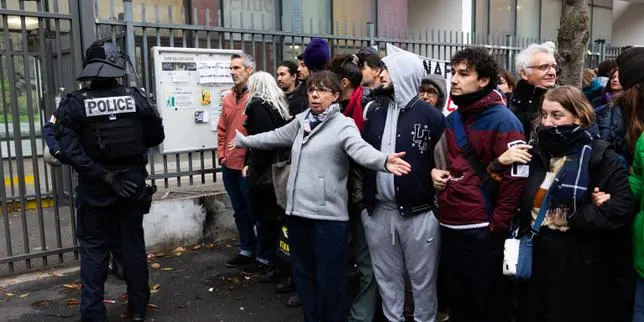
French secondary school protests continued after pupils returned from a two-week break, though the movement had shrunk from its peak in early October. Blockades and demonstrations have become more tense, as parents worried about missed lessons and approaching exams clash with protesters, and police are deployed to keep schools accessible.
The education minister said about 20 schools were fully blocked on Friday, down from 81 on Thursday, while the ministry reported an average of 30 partial blockades a day. In the Paris region, 70 schools were disrupted on Friday; student organisers claimed up to 1,000 schools were mobilised on Thursday. More than 50 education staff were injured during the week, bringing the reported total since the protests began to 220, and Prime Minister Sébastien Lecornu was due to meet student organisations on 9 November.
In short
- Protests persisted after the school break, with tensions rising.
- About 20 schools were fully blocked on Friday.
- More than 50 education staff were injured this week.
Steelman: both sides, in good faith
The strongest fair case each way — we don't pick a winner.
The case for
Supporters of the blockades can argue that disruptive protest is a legitimate way for students to make their concerns heard when ordinary channels seem ineffective. They may see collective action as more urgent than uninterrupted lessons, and consider the willingness to risk missed class time evidence of how strongly pupils feel.
The case against
Those opposing the blockades can argue that denying access to schools disrupts the education of pupils who do not support the protest, particularly as exams approach. They may also point to clashes, injuries and the need for police to keep schools accessible as reasons to favour demonstrations that do not prevent others from learning.
Elections Europe Politics World