French officer charged over rubber bullet that blinded teenage protester
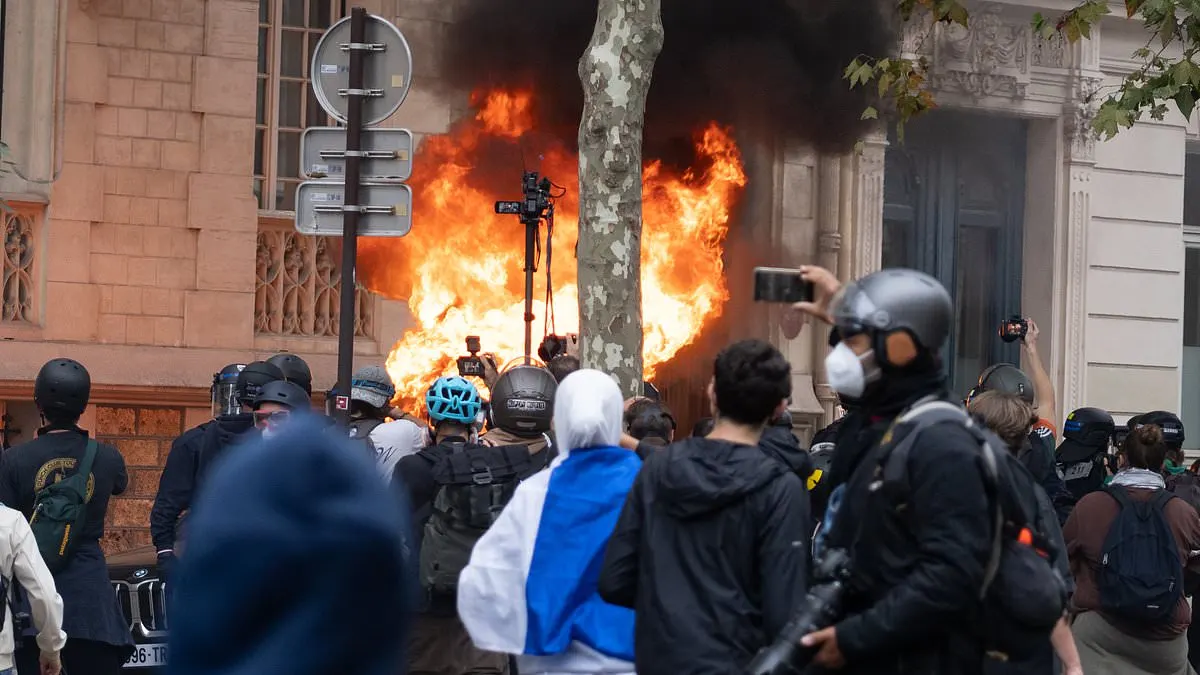
A French police officer has been charged with aggravated violence over the shooting of a 16-year-old protester with a rubber bullet in Tours on 30 September. The teenager was blinded, and the case has intensified scrutiny of police conduct during protests over school conditions.
Prime Minister Sébastien Lecornu said 248 students, 937 police officers and 149 teaching staff had been injured during the unrest. The interior ministry has opened internal investigations into 36 allegations of police violence. Separately, a 15-year-old in Lens lost his left hand and several fingers on his right hand when a stun grenade exploded; his family is seeking an impartial investigation.
- Officer charged after a 16-year-old was blinded by a rubber bullet.
- France reports 248 student injuries during protests.
- Authorities are investigating 36 allegations of police violence.
New here? Start with this
French police use rubber bullets and stun grenades as crowd-control weapons during demonstrations. Their use can cause serious injuries, and French law allows police to use force only under specific conditions, including when it is necessary and proportionate.
The protests have centred on conditions in schools, bringing pupils, teachers and police into contact on the streets. The government’s figures show injuries among all three groups, while allegations of police violence have prompted internal investigations.
The cases have renewed debate about how police should manage demonstrations and how injuries involving crowd-control weapons should be investigated. Independent scrutiny can help establish what happened and whether the use of force followed the rules.
Both sides, in good faith
The strongest fair case each way — we don't pick a winner.
The case for
Police may need to use proportionate force to manage volatile protests and protect students, staff and the public from injury. Rubber bullets and other less-lethal weapons can be defended as tools for situations where officers face immediate threats, provided they are used under strict rules and their deployment is independently scrutinised.
The case against
Blinding a 16-year-old and the severe injuries reported in Lens raise serious questions about whether these weapons are safe and whether their use is proportionate, especially at protests involving young people. Those harmed and their families have a strong claim to transparent, impartial investigations and accountability, so that public order does not come at the cost of avoidable injury or weakened trust in the police.
Read the full article at the source →
Originally published by Daily Mail as “French police officer is charged after student, 16, is blinded by a rubber bullet while protesting”.