The growing stench of a cover-up over Andy Burnham’s cosy ties to Man City’s disgraced Emirati owner: Deleted declarations, millions in taxpayer-funded loans and mystery meetings. GUY ADAMS investigates
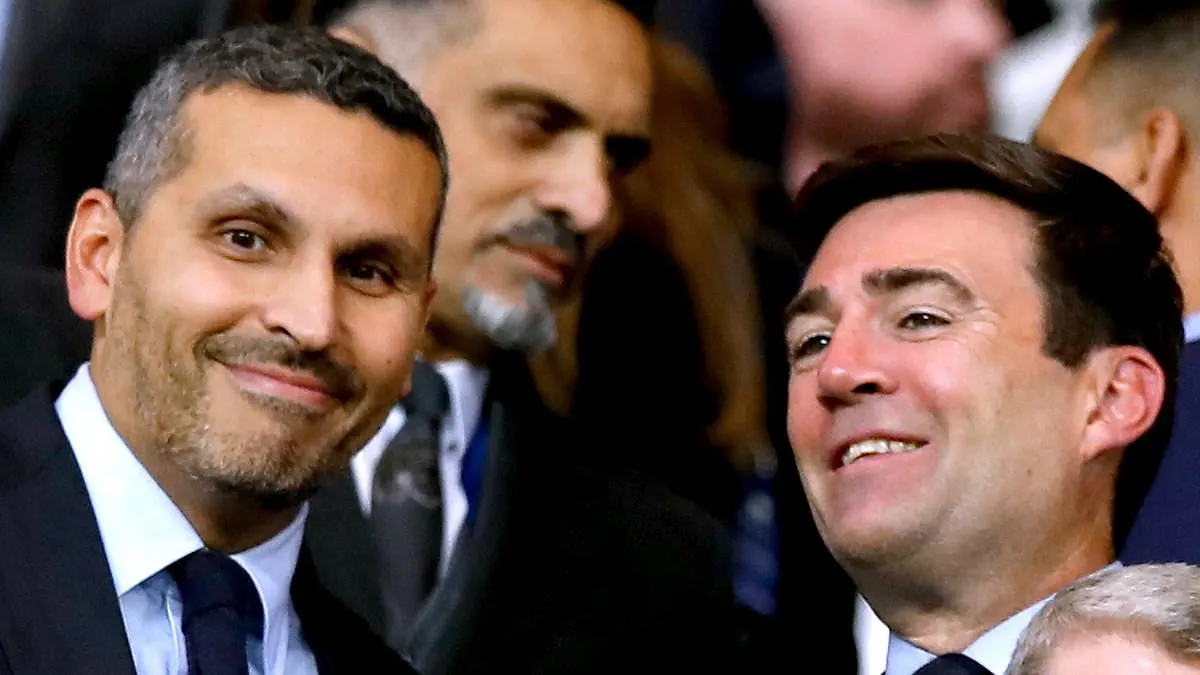
The article alleges that Andy Burnham’s past dealings with Manchester City’s Abu Dhabi-linked owners raise questions about conflicts of interest and transparency. It focuses on Greater Manchester Combined Authority loans to property firms ultimately owned by Sheikh Mansour, while Burnham was mayor and had accepted hospitality from City officials.
In September 2017, the authority approved loans of £31.2 million to two firms for flats in Ancoats; a further £24.5 million went to another Mansour-owned company the following month. The article says Burnham chaired the meetings and did not declare his recent free ticket to a City match, and describes later dinners and concert tickets. It links renewed scrutiny to Manchester City’s current controversies, though the supplied article text ends before detailing them.
- GMCA approved £55.7 million in loans to Sheikh Mansour-linked firms.
- Burnham chaired the decisions after accepting Manchester City hospitality.
- The article questions whether potential conflicts were properly disclosed.
New here? Start with this
Andy Burnham is the elected mayor of Greater Manchester, and the Greater Manchester Combined Authority is a public body that funds projects across the region. Sheikh Mansour, a member of Abu Dhabi’s ruling family, owns Manchester City and has interests in property companies.
The reports concern loans the authority approved in 2017 for housing developments in Ancoats, in Manchester. The companies that received the loans were ultimately owned by Mansour; Burnham chaired the approval meetings and had received hospitality from Manchester City. The questions raised are whether those interests should have been declared and how the decisions were overseen.
The issue matters because public loans involve taxpayer money, and residents need to be able to see how decisions are made and potential conflicts handled. The reports also describe later hospitality and meetings, making transparency about contact between public officials and private interests part of the scrutiny.
Both sides, in good faith
The strongest fair case each way — we don't pick a winner.
The case for
The reported loans and hospitality could reasonably prompt questions about whether potential conflicts were declared and managed, especially as Burnham chaired the meetings approving substantial public lending to companies linked to Sheikh Mansour. Clear, complete declarations and records of relevant meetings matter to public confidence, regardless of whether any improper influence occurred.
The case against
Loans to property firms can serve legitimate regeneration aims, and a recipient’s ultimate ownership or a mayor’s separate hospitality does not by itself show that decisions were improperly influenced. The case for caution is stronger if the loans followed proper procedures, were assessed on their merits and any relevant interests were handled under the applicable rules; the allegations described here do not alone establish misconduct.