From spit on to hugged, Riley Gaines unlocks main problem with the WNBA, and it’s as simple as red vs blue
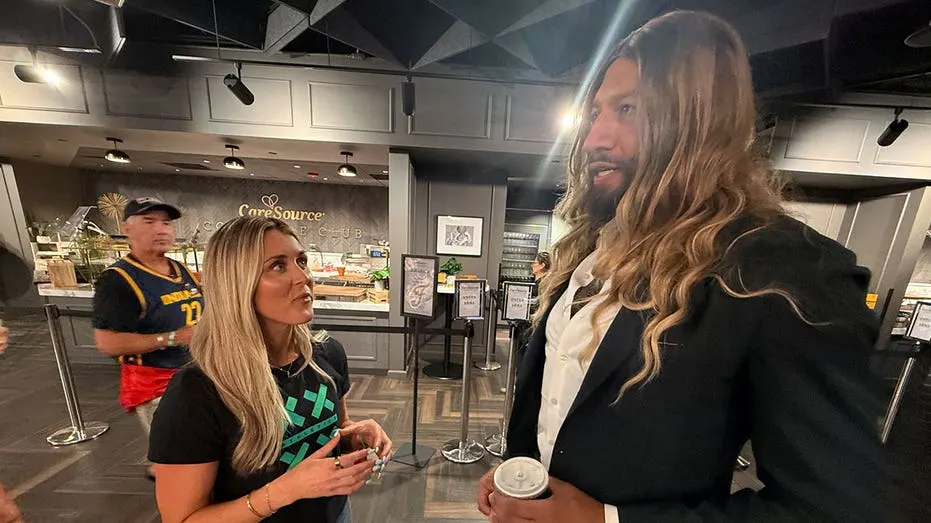
The article contrasts Riley Gaines’s hostile reception at a WNBA game in Minneapolis with a friendlier welcome at an Indiana Fever game, arguing that political differences between states are shaping tensions around transgender participation in women’s sport. It presents this contrast as evidence of a wider cultural divide affecting the WNBA and its supporters.
Gaines said she was booed and spat on in Minneapolis after displaying support for Sophie Cunningham, but was greeted with hugs and photo requests in Indianapolis. The piece notes that the 15-team league has franchises in relatively few reliably Republican-led states, and discusses former NBA players Royce White and Enes Kanter Freedom using claimed WNBA draft ambitions as a protest over the league’s transgender-participation policies.
In short
- Article frames WNBA tensions through US political divisions.
- Gaines received contrasting reactions in Minneapolis and Indianapolis.
- Former NBA players protest WNBA transgender-participation policies.
Steelman: both sides, in good faith
The strongest fair case each way — we don't pick a winner.
The case for
Supporters of tighter sex-based eligibility rules argue that women’s sport exists to ensure fair competition and meaningful opportunities for female athletes, given average physical advantages associated with male puberty. They contend that leagues should set clear, consistently enforced standards which prioritise competitive integrity, athlete safety and public confidence, while allowing debate without hostility towards those involved.
The case against
Supporters of more inclusive participation policies argue that transgender athletes should be treated with dignity and assessed through evidence-based rules rather than broad assumptions or partisan identity. They maintain that carefully designed eligibility criteria can balance fairness with inclusion, and that turning individual athletes or fans into symbols of a wider political conflict risks deepening division and discouraging respectful engagement.
Explained simply
The WNBA is the main professional basketball league for women in the United States. Its teams are based mostly in large cities, and players and fans have differing views on political and social issues, including rules for transgender athletes in women’s sport.
Riley Gaines is a former competitive swimmer who campaigns against transgender women competing in women’s events. Sophie Cunningham is an Indiana Fever basketball player; Royce White and Enes Kanter Freedom are former NBA players who have used claims of interest in joining the WNBA to draw attention to its eligibility rules.
The debate connects questions about fairness and inclusion in sport with wider differences in political views across the US. Reactions to public figures at games can reflect those differences, though they do not necessarily represent every fan or the league as a whole.