From workshops to the catwalk – why mended clothes are going mainstream
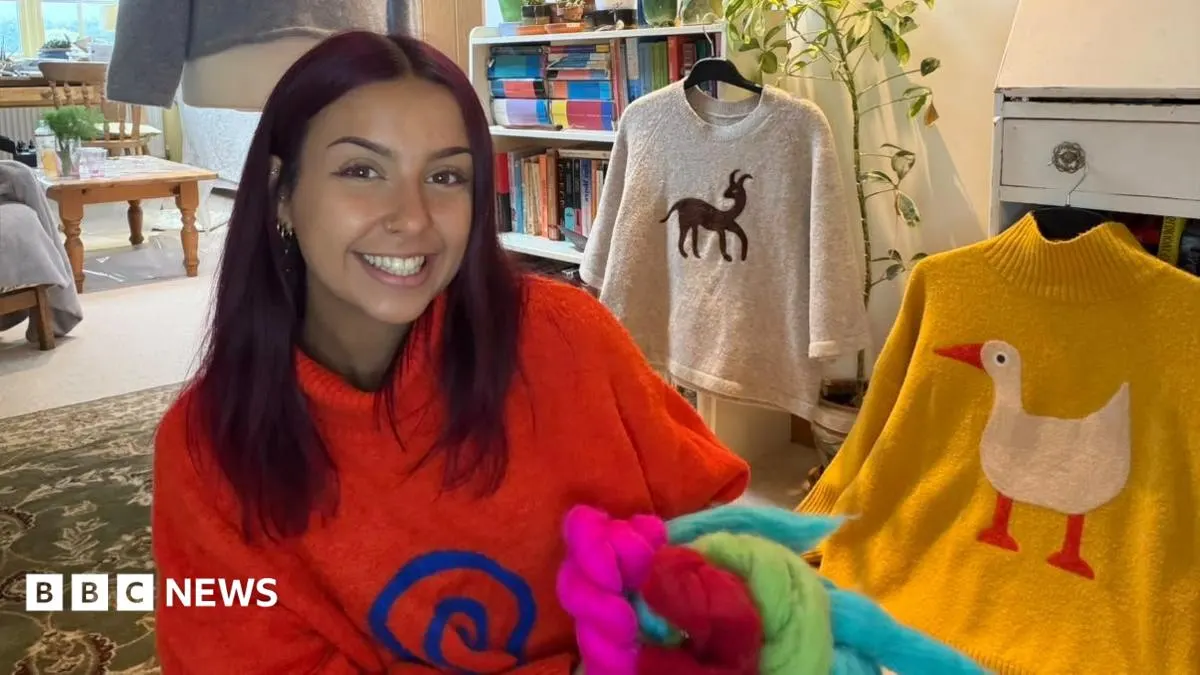
Visible mending, in which repairs are made decorative rather than hidden, is spreading from hobby groups and community workshops into shops and fashion shows. Supporters say it helps people value and extend the life of clothes, while challenging the waste associated with fast fashion.
Lincolnshire forest ranger Alice Brown covers clothing flaws with needle-felted animals and insects, while workshops teach techniques such as Japanese Boro and Sashiko stitching. Retailers including Uniqlo and Primark offer repair services or classes, and brands from Ralph Lauren to Shein sell patched garments; Finisterre says about one fifth of its customer repairs are designed to stand out, compared with around a third at Toast.
In short
- Visible mending makes repairs part of a garment’s design.
- Workshops are helping people rediscover traditional repair skills.
- Retailers are turning decorative mending into a mainstream service.
Steelman: both sides, in good faith
The strongest fair case each way — we don't pick a winner.
The case for
Visible mending can help people keep clothes in use for longer, reduce waste and see repair as a source of creativity rather than a compromise. Workshops and retailer services make practical skills more accessible, while decorative repairs may encourage consumers to value well-made garments and resist the expectation that clothes should be quickly replaced.
The case against
Making mending fashionable could risk turning a practical response to overconsumption into another trend that sells more products, including pre-patched garments from fast-fashion brands. Repair services and workshops may be useful, but critics could argue they do little to address the scale of clothing production and that visible repairs are not affordable or appealing for everyone.
Explained simply
Visible mending means repairing clothes in a way that can be seen, often using colourful stitching, patches or decorative designs. It includes techniques such as Boro and Sashiko, which use repeated stitches and fabric patches to strengthen worn areas.
People who mend clothes include hobbyists, workshop groups and artists such as forest ranger Alice Brown, who adds needle-felted animals and insects to cover flaws. Some retailers and fashion brands now offer repair services, classes or garments with visible patches.
The practice is part of wider discussion about how long clothes are used and the waste linked to fast fashion. Supporters say repairs can help keep garments in use, while shops’ growing interest shows how mending has also become part of the fashion market.