Gaza celebrates World Cup victory of Spanish team they took into their hearts
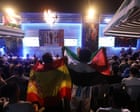
Spain's Spanish football team's World Cup victory has been celebrated across Gaza, where the tournament became entangled with regional politics due to Spain's vocal criticism of Israel's actions in Gaza and the West Bank, and Israeli support for finalists Argentina. Palestinians gathered in cafes and at outdoor screenings, many waving Spanish flags, despite the ongoing risk of Israeli attacks, having embraced the team partly because of teenager Lamine Yamal's gestures of solidarity with Palestine.
Yamal was criticised by Israel's defence minister after displaying a Palestinian flag during Barcelona's La Liga celebrations in May, but Spanish prime minister Pedro Sánchez defended him, while Binyamin Netanyahu publicly backed Argentina. Watching matches proved difficult for many in Gaza, where around two million people live in tent camps with little power or internet access, forcing fans to rely on internet cafes for highlights. The celebratory mood was tempered by ongoing violence, including an Israeli strike in early July that killed a Palestinian aid worker who had organised World Cup screenings, along with two children and another man.
In short
- Gazans celebrated Spain's World Cup win despite risk of Israeli attacks
- Spain's pro-Palestinian stance, including Yamal's flag gesture, won hearts
- A strike killed a screening organiser and two children in early July
Explained simply
Spain's football team won the World Cup, and their victory resonated deeply in Gaza because the tournament became entangled with the Israeli-Palestinian conflict. Spain's government had been vocal in criticising Israel's actions in Gaza and the West Bank, whilst Israel publicly supported Argentina instead. For Palestinians who had endured months of violence and displacement, cheering for Spain offered a moment of connection to international events and a way to take a stance on their situation.
A teenager named Lamine Yamal, who plays for Barcelona, became a symbol of this support after displaying a Palestinian flag during celebrations in May. When Israel's defence minister criticised him for this gesture, Spain's prime minister defended him, whilst Israeli Prime Minister Binyamin Netanyahu publicly backed Argentina, deepening the political dimensions of the sporting event. These moments made the World Cup feel like more than just a football tournament for those following it from Gaza.
Watching the matches was difficult for many Gazans, as around two million people live in tent camps with limited electricity or internet access, forcing fans to rely on internet cafes to see highlights. The celebrations were shadowed by the ongoing conflict, including an Israeli strike in early July that killed a Palestinian aid worker who had organised World Cup screenings, along with two children and another man. The victory offered a brief moment of hope for many, even as the humanitarian crisis continued around them.
Art Business Culture Europe Football Markets Middle East Sport World