Politics news and discussion on TalkFuse.
Gen Z doesn‘t relish going to war – so what! You should worry more about the reckless generations that do | Jason Okundaye
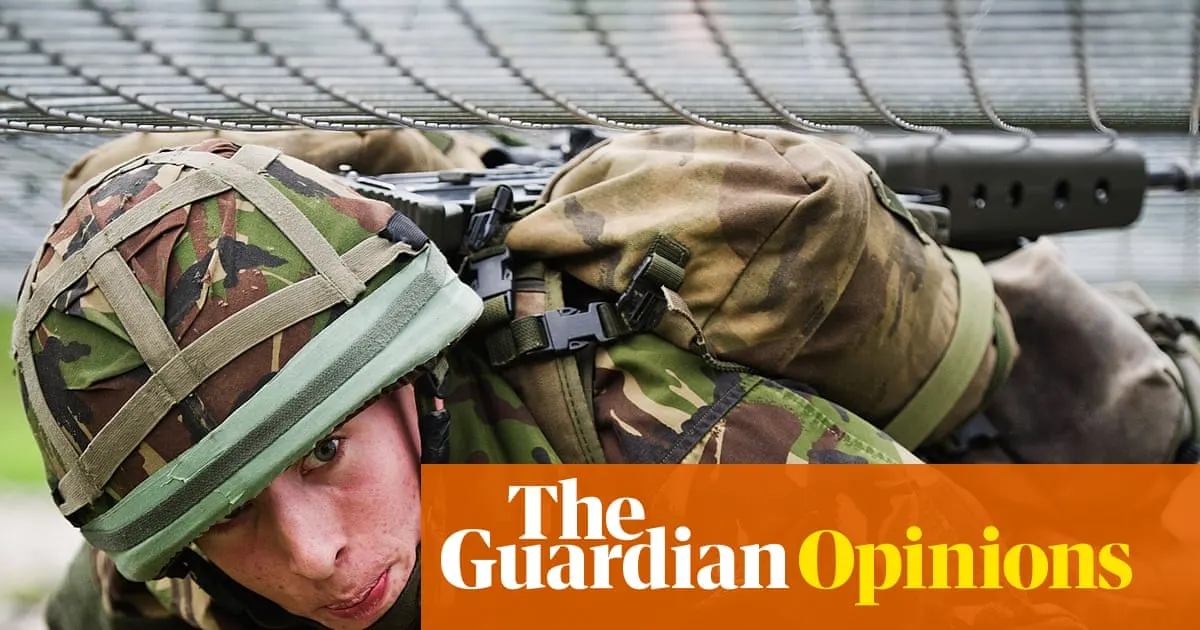
The article argues that young Britons’ low stated willingness to serve in the military should not be taken as proof they would fail to defend the country. The author says the survey question measured how important military service was to respondents, while public debate has turned their answers into a test of patriotism and a reason to criticise a generation facing economic insecurity.
The article questions whether people should be expected to support any war, given the record of conflicts such as Iraq and Libya, and points to Russia’s invasion of Ukraine and threats to UK infrastructure as reasons to take security seriously. It says defence may require resilience from the whole country, and argues that young people’s reluctance to embrace war is understandable rather than evidence of indifference.
In short
- Fewer than a quarter of under-35s rated military service highly important.
- The author says this does not mean they would fail to defend Britain.
- Past wars and current threats shape how young people view service.
Steelman: both sides, in good faith
The strongest fair case each way — we don't pick a winner.
The case for
Young people’s reluctance to embrace military service need not show a lack of patriotism: willingness to fight is not the same as commitment to protecting the country. Given the costs and uncertain outcomes of wars such as Iraq and Libya, scepticism about military action can be a considered response, especially for a generation facing economic insecurity. National resilience also depends on the whole population, not only those ready to serve in uniform.
The case against
A country facing Russia’s invasion of Ukraine and threats to its infrastructure has reason to ask whether citizens would help defend it, including through military service. Low stated willingness may not prove that young people would fail in a crisis, but it can still signal a preparedness gap that deserves serious attention. Defence requires broad public commitment, and questioning willingness to serve need not amount to condemning an entire generation.
Explained simply
Military service means joining the armed forces, but defending a country can also involve protecting infrastructure and supporting communities during a crisis. A survey asking how important military service is to young people does not, by itself, show how they would respond if Britain faced a threat.
Debate about willingness to fight is shaped by Britain’s recent military history, including its roles in the wars in Iraq and Libya, and by Russia’s invasion of Ukraine. The question is how a country should prepare for security threats, and what responsibilities fall on the armed forces and the wider public.