Gianni Infantino eyes junior tournament in Dominican Republic as potential route out of crisis
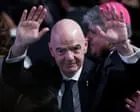
Gianni Infantino, the Fifa president, is planning to attend a junior football tournament in the Dominican Republic this weekend in an apparent attempt to weaken the coalition of European and North American football bodies seeking to remove him. Despite being urged to stay away by senior figures in Concacaf, Infantino intends to attend the Caribbean Football Union's U14 Boys Challenge, where he would likely encounter Victor Montagliani, the Concacaf president seen as his most credible rival for the Fifa presidency. The move comes as Infantino faces mounting pressure over a controversial World Cup sell-off plan and reflects his strategy of courting smaller nations ahead of next March's presidential election.
The CFU has 21 voting members within Fifa, and Infantino is understood to be seeking to split Concacaf's regional bloc by lobbying smaller nations, having already secured backing from Mexico, Grenada and St Kitts and Nevis, with a private endorsement reportedly also coming from Panama. Uefa, Concacaf and the Asian Football Confederation are jointly pushing for an independent review of the Fifa Forward Enterprise proposal and an emergency Fifa Council meeting, and are exploring a formal vote of no confidence, which under Fifa statutes requires 43 of 211 member associations to trigger an extraordinary congress. Separately, fan groups from all six Fifa confederations have launched a petition calling for Infantino's resignation, accusing him of trying to secretly sell off the World Cup to private investors.
- Infantino to attend Dominican Republic tournament, may meet rival Montagliani
- Move seen as bid to split Concacaf votes before March's Fifa election
- Fan groups worldwide launch petition demanding Infantino's resignation
Both sides, in good faith
The strongest fair case each way — we don't pick a winner.
The case for
Supporters of Gianni Infantino would argue that, as sitting president, he has every right to attend football events around the world, including a junior tournament, and that informal engagement with member associations is a normal and legitimate part of leading a global federation. They would point to his record of expanding FIFA's competitions and revenues as reason enough for member associations to back him, and see coalition-building, even outside formal meetings, as ordinary political activity rather than anything improper. From this perspective, seeking support directly from those who will vote is simply effective, hands-on leadership in a democratic process.
The case against
Critics would argue that using a junior tournament as a venue to peel away support from a coalition seeking his removal reflects a troubling reliance on personal access and informal persuasion rather than transparent governance. They would say that major questions about FIFA's leadership ought to be settled through open debate and accountable institutional processes, not through opportunistic lobbying at unrelated events. For those already concerned about the concentration of power within FIFA, this manoeuvre reinforces fears that incumbency itself, rather than merit or consensus, is being used to cling to office.