World news and discussion on TalkFuse.
Glynis was told to lose weight to help her bulky, painful legs. Now she’s been told there’s a cure for her lipoedema… and doctors say it could ‘change lives’
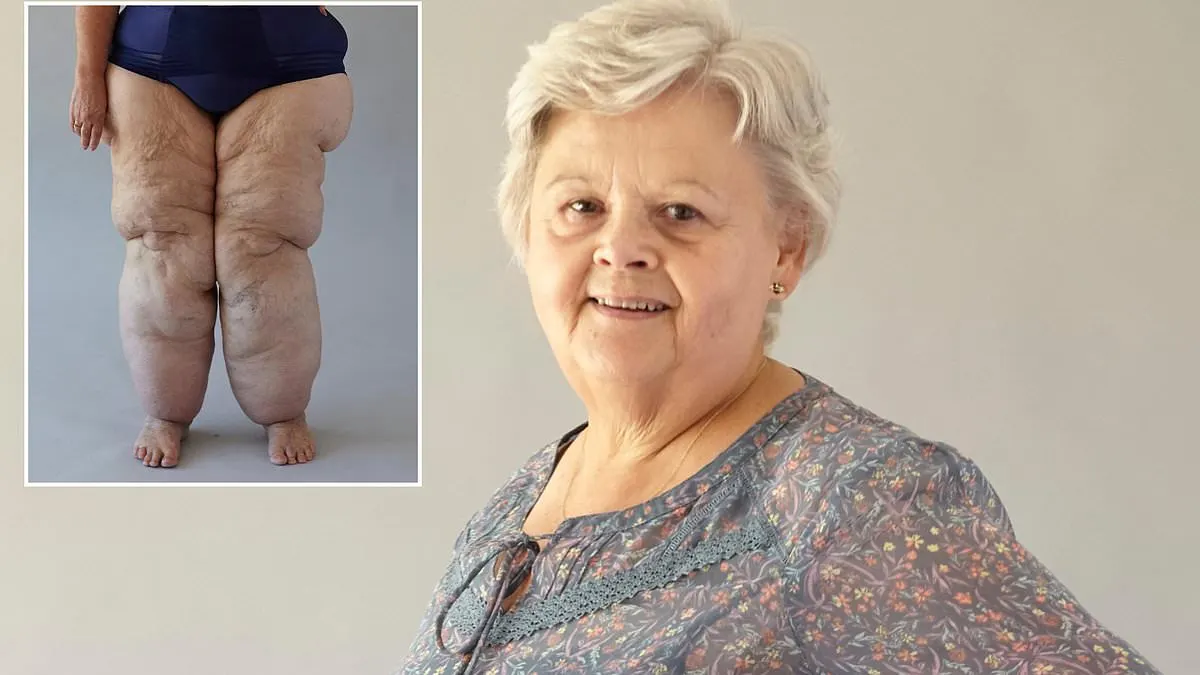
Glynis Coley, 69, spent decades being told to lose weight for her unusually large, painful legs, before learning she had lipoedema, a condition involving abnormal fat build-up. A newly available NHS treatment may offer help to people like her, after years in which specialist surgery was generally only available privately.
Coley was first diagnosed with lymphoedema in 2003, but compression stockings did not prevent her legs worsening; a specialist confirmed lipoedema in 2016. The article estimates that three million women in the UK have the condition, which can limit mobility and cause pain, fatigue and bruising. It says specialist liposuction, once quoted at £12,000 per leg for Coley, is now the focus of NHS treatment developments that doctors say could change lives.
In short
- Glynis Coley’s painful legs were eventually diagnosed as lipoedema.
- The condition is estimated to affect three million UK women.
- NHS treatment could bring specialist help to more patients.
Steelman: both sides, in good faith
The strongest fair case each way — we don't pick a winner.
The case for
Making specialist lipoedema treatment available through the NHS could ease pain and improve mobility for patients whose condition has often been misunderstood or treated as a weight issue. Public provision may also make care accessible according to clinical need rather than ability to pay, while giving doctors a treatment option after years of limited support.
The case against
Expanding access to specialist liposuction through the NHS raises questions about how to prioritise funding when health resources are limited and evidence about long-term outcomes and who benefits most may still be developing. A careful approach could require clear clinical criteria and evaluation, so investment is justified and patients receive treatment with realistic expectations.
Explained simply
Lipoedema is a long-term condition in which fat builds up abnormally, usually in the legs. It can cause pain, tenderness, easy bruising and difficulty moving, and is most often seen in women.
Lipoedema is different from lymphoedema, which involves a build-up of fluid. The conditions can be confused, and people with lipoedema may go years without a diagnosis; weight loss does not remove the abnormal fat build-up.
Treatment can include measures to manage symptoms, while specialist liposuction may be considered in some cases. It has often been difficult to access through the NHS, so developments in NHS treatment matter to people who might otherwise face long waits or private costs.