RTÉ expected to receive withheld €20m after progress on reforms
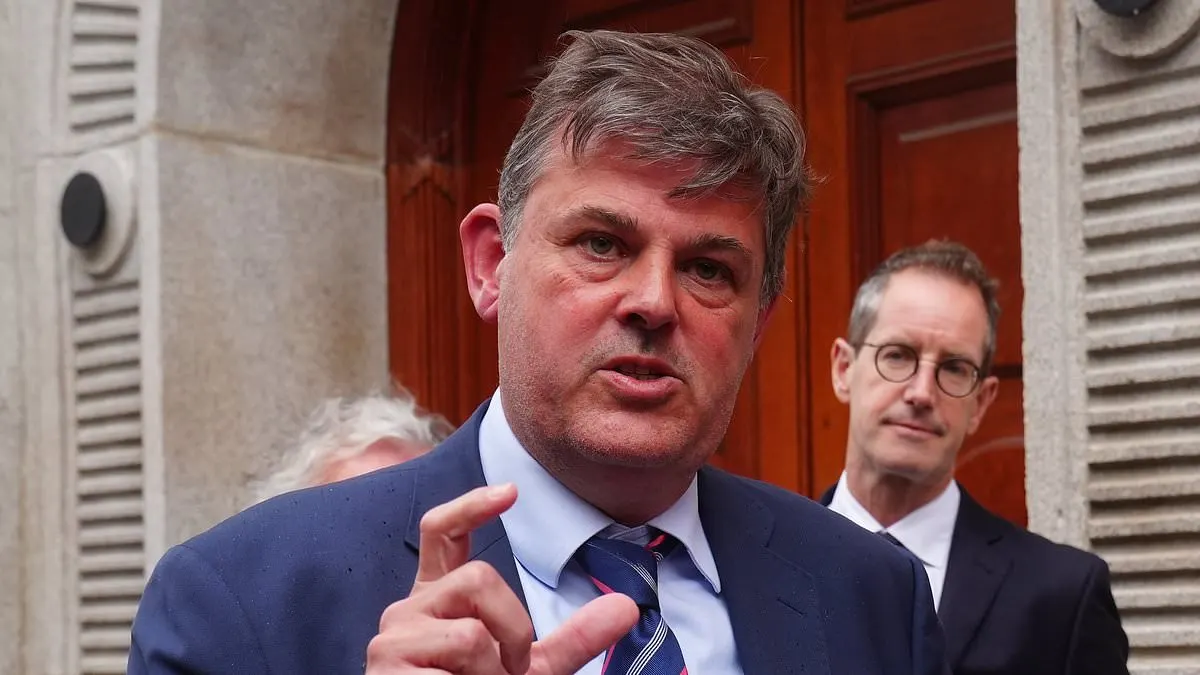
RTÉ is expected to receive the €20 million withheld from its next year’s funding after the broadcaster demonstrates progress on agreed reforms, government sources say. The money was cut from its expected €260 million allocation because ministers said RTÉ had not moved quickly enough on reforms, including a promised redundancy programme.
Public Expenditure Minister Jack Chambers is expected to bring a funding memo to Cabinet next month, while RTÉ’s revised business case for a second voluntary exit programme is awaiting approval. The scheme is intended to deliver 400 job cuts by 2029, but only 68 employees have left so far; Minister Patrick O’Donovan’s ongoing hospital stay may delay sign-off. Government sources say the larger dispute concerns the €520 million RTÉ is seeking for 2028 and 2029.
In short
- RTÉ is expected to recover the €20 million funding cut.
- Its revised voluntary exit plan still needs approval.
- O’Donovan’s absence could delay the next redundancy round.
Steelman: both sides, in good faith
The strongest fair case each way — we don't pick a winner.
The case for
Restoring the €20 million would recognise progress on agreed reforms and give RTÉ resources to maintain its public-service work while it pursues further changes. A planned voluntary exit scheme could reduce staffing over time without compulsory redundancies, and resolving the funding issue may help the broadcaster plan for the larger 2028–29 settlement.
The case against
Keeping the money withheld until reforms are delivered would uphold the government’s conditions and show that public funding depends on timely, measurable progress. With only 68 employees having left against a planned 400 by 2029, releasing the funds now could weaken incentives to complete the redundancy programme and address wider concerns about RTÉ’s funding needs.
Explained simply
RTÉ is Ireland’s public-service broadcaster, funded partly through public money as well as its own commercial income. Its funding supports television, radio and online services, and is set through government decisions.
The broadcaster has agreed to reforms, including reducing staff numbers through a voluntary exit scheme. Such schemes let employees choose to leave, usually with financial terms agreed with their employer. RTÉ and the Government are also discussing funding for future years, so the dispute involves both how the broadcaster changes and how much public funding it receives.
Celebrity Entertainment Government Politics World
Read the full article at the source →
Originally published by Daily Mail as “Good news for RTÉ as government sources confirm they’ll get their €20m – but one major factor could yet see the national broadcaster’s controversial redundancy scheme delayed once more”.