World news and discussion on TalkFuse.
Goodbye, Mr. Chips
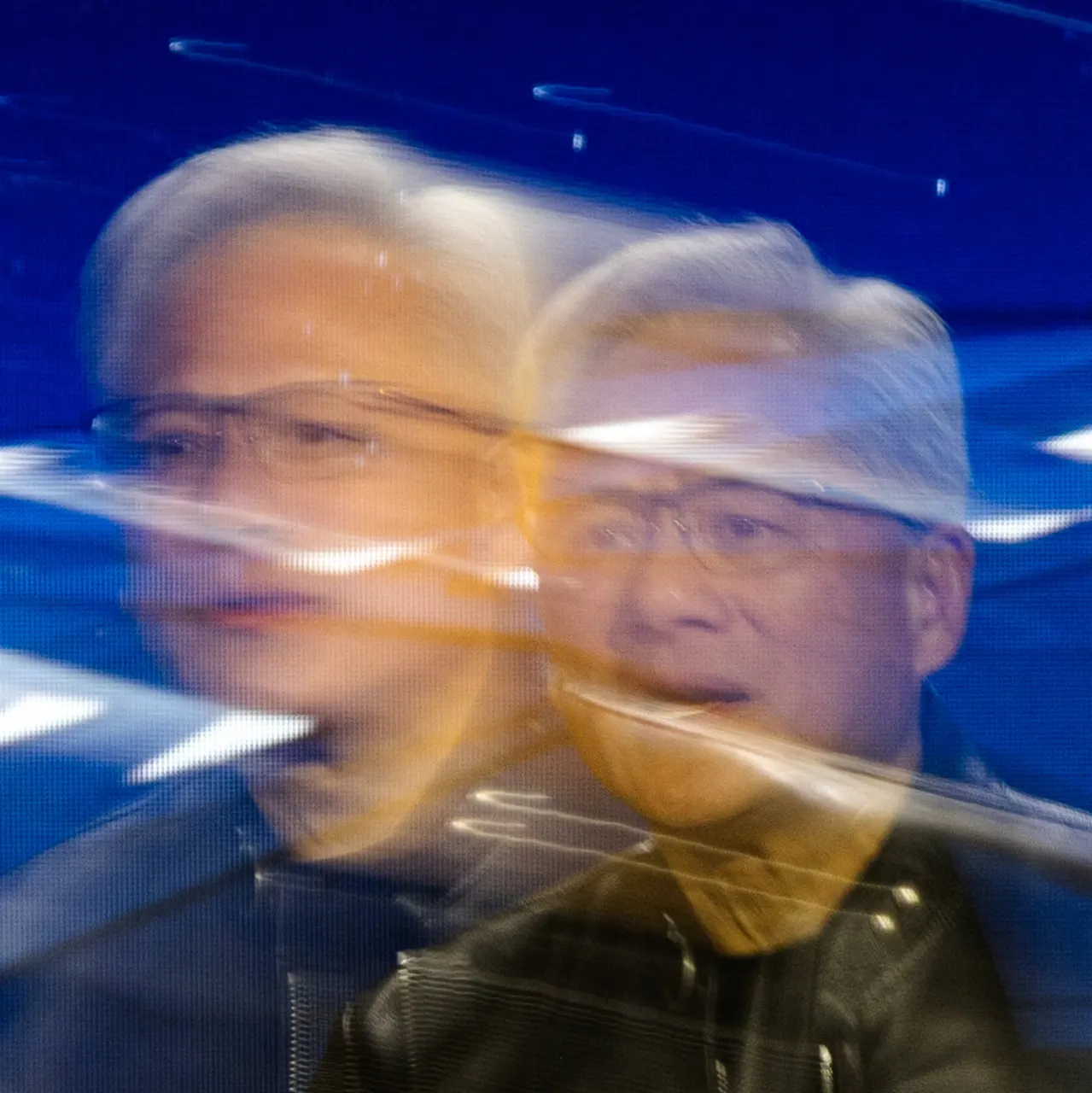
The column argues that Nvidia chief Jensen Huang’s reported involvement with a woman identified by US intelligence as a Chinese spy highlights the security risks created when powerful technology executives underestimate personal and national security threats. It links that concern to the Trump administration’s close ties with tech leaders and its decisions on advanced chip exports to China.
The article says Huang once described character as central to greatness, yet dismissed whether the US or China wins the AI race and lobbied President Trump to let Nvidia sell chips in China. After an export ban was imposed, Trump reversed course and allowed sales of certain chips, with 15 per cent of the revenue going to the government. The supplied text ends mid-sentence, so it does not provide further details about Huang’s relationship with the woman.
In short
- The column warns that tech leaders may underestimate security risks.
- Huang lobbied for Nvidia chip sales to China.
- Trump later allowed certain sales with a 15 per cent revenue share.
Steelman: both sides, in good faith
The strongest fair case each way — we don't pick a winner.
The case for
Those concerned about the policy can argue that advanced chips are strategically important, and that allowing sales to China may help a geopolitical rival build military and surveillance capabilities. The reported intelligence connection, while short on detail, reinforces the case for executives and officials to take personal and national security risks seriously; critics may also question whether a government share of sales revenue is an adequate safeguard.
The case against
Those favouring sales can argue that tightly controlled exports let US firms compete in a major market, support domestic innovation and influence how widely advanced technology is adopted. They may also caution that the reported relationship is not described in enough detail to establish wrongdoing or a security breach, and that export policy should rest on evidence about specific chips and risks rather than insinuations about an executive’s personal life.
Explained simply
Nvidia is a US company that designs advanced computer chips used to develop artificial intelligence. Its chief executive, Jensen Huang, has spoken about the importance of character and has also argued that the US should continue selling some chips to China.
The US government restricts exports of the most advanced chips because they could strengthen China’s technology and military capabilities. The Trump administration first barred some Nvidia chip sales to China, then allowed sales of certain chips, with 15 per cent of the revenue going to the government.
The reported connection between Huang and a woman identified by US intelligence as a Chinese spy has prompted questions about security risks around influential technology leaders. The issue matters because decisions about chip sales can affect both commercial interests and national security.