Video games news, releases, esports and culture — all the biggest gaming stories in one place.
Google refunds Lord of the Rings buyer after library removal
Developed over time first seen 3 months ago
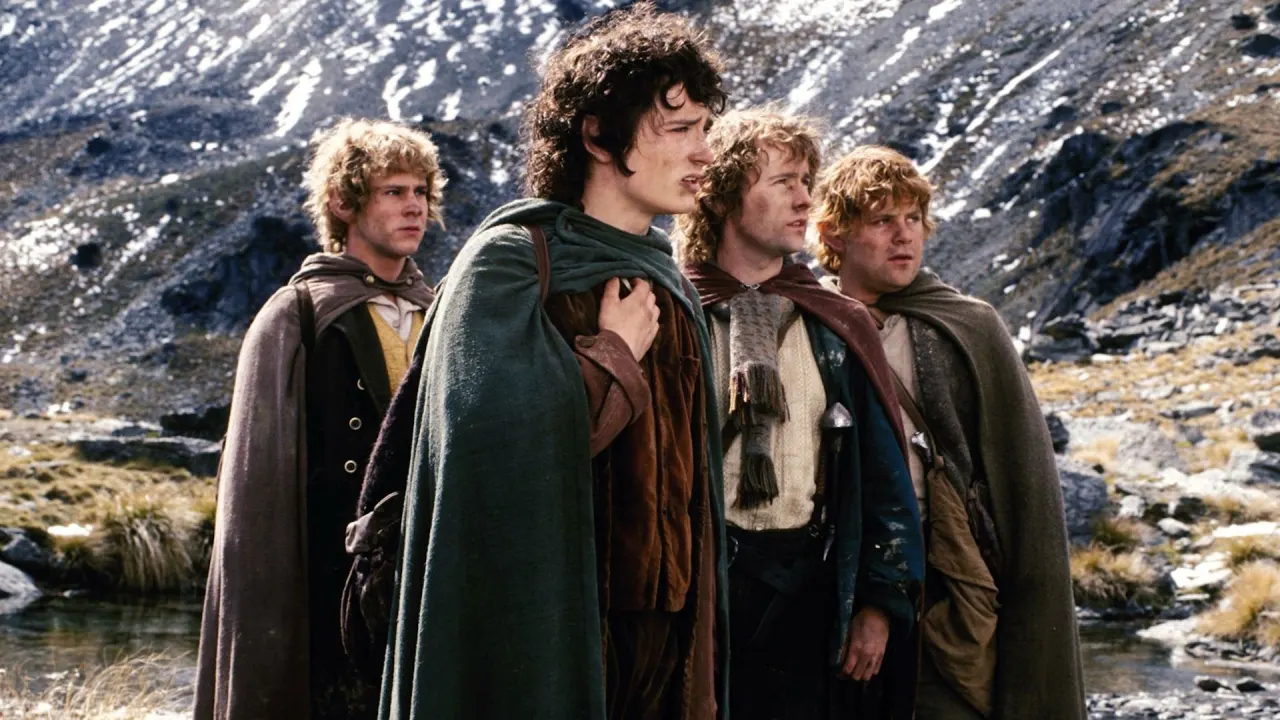
A Google customer was refunded after their purchased extended editions of The Lord of the Rings disappeared from their Google Movies library and support initially refused to help. The case highlights the uncertain nature of digital media purchases, where customers may lose access when a title leaves a platform’s catalogue despite having paid for it.
Google originally cited its 120-day refund limit, but reversed course after the customer referred to terms stating that removed content should result in a refund or replacement copy. The company sent links to the trilogy and added £20 credit, although the customer said one film remained unavailable and some links still demanded payment, so the practical resolution appeared incomplete.
- Sources
- 2
- Outlets
- 2
- Left · Centre · Right
- 0 · 0 · 0
In short
- Google refunded a customer after purchased films disappeared.
- The reversal followed the customer citing Google’s own terms.
- Replacement links reportedly remained partly unusable.
How this story developed
- 3 months ago The customer was ultimately reported to have received a refund after disputing Google’s 120-day limit, although replacement links and £20 credit still reportedly did not reliably restore access to the trilogy.
- 3 months ago A Google customer said the extended Lord of the Rings films they had bought vanished from Google Movies, prompting Google to reverse an initial refusal and offer a refund-related remedy that appeared not to work fully.
Steelman: both sides, in good faith
The strongest fair case each way — we don't pick a winner.
The case for
When a customer purchases digital content, they have a reasonable expectation of permanent access, similar to owning physical media. Google's initial refusal to refund—citing a 120-day policy that predated the removal—failed to honour consumer expectations and the company's own terms acknowledging that removed content warrants refunds or replacement. As digital media replaces physical ownership, consumers deserve assurance that paid-for purchases remain theirs.
The case against
Digital licensing differs fundamentally from physical ownership because platforms operate under time-limited agreements with rights holders who may revoke permission to distribute content. Requiring platforms to maintain indefinite access regardless of licensing status is economically unfeasible and may violate contractual obligations to rights holders. A refund mechanism, as Google ultimately provided, reasonably balances consumer interests with the operational and legal realities of managing licensed digital libraries.
Explained simply
Digital films bought through online stores are usually supplied under a licence, rather than as a permanent physical copy. This means customers may be able to watch a title through the service, but access can depend on the platform continuing to offer it.
Google Movies is Google’s service for buying or renting films to watch through its apps and connected devices. Film studios, distributors and digital platforms each control parts of the arrangements that determine where a title can be shown.
The Lord of the Rings is a film trilogy based on J. R. R. Tolkien’s novels, with extended editions containing additional scenes. The case draws attention to how platform terms deal with removed content and what support or compensation customers may receive when a digital library changes.
Coverage · 2 sources
Read the full article at the source →
Originally published by Polygon as “Google Finally Agrees to Refund LOTR Fan After Trilogy Disappeared from Digital Library, but There’s a Catch”.