Google Pixel 11 Review: Minor Upgrade
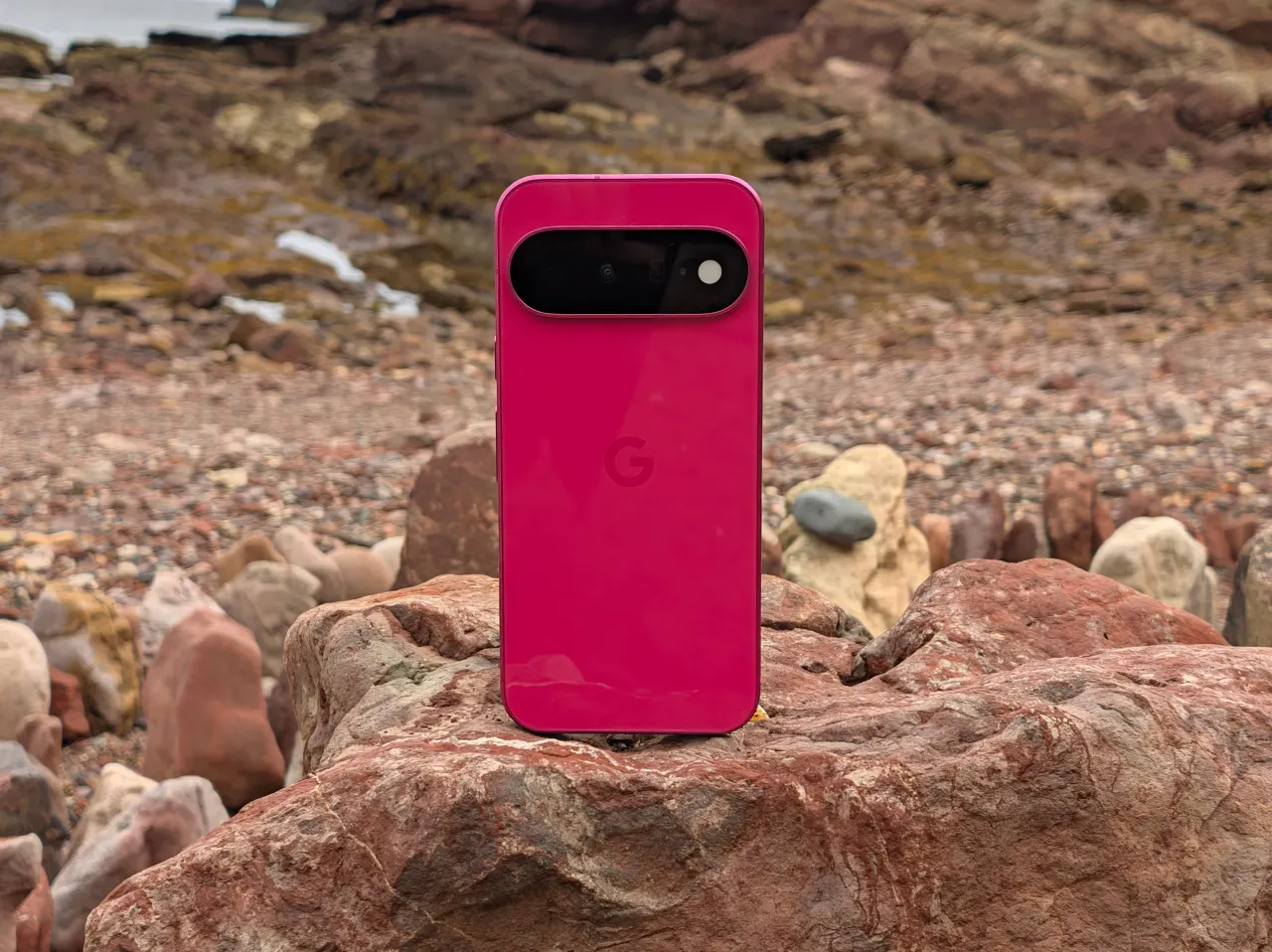
Wired's review of the Google Pixel 11 finds it a solid but only marginally improved successor to last year's Pixel 10, offering a slightly better chipset and camera, faster wireless charging and new AI features rather than any major overhaul. Reviewer Simon Hill rates it 8/10, praising its camera, battery life, performance and slick AI capabilities, while noting it will mainly appeal to those upgrading from an older handset rather than existing Pixel 10 owners.
The Pixel 11 starts at $899, £100 more than last year's launch price, though it now comes with a more practical 256GB of base storage. Design tweaks include a slimmer, all-glass camera bump and new colour options such as "Hibiscus" pink and "Pistachio" green, while the 6.3-inch OLED display and 3,000-nit brightness remain unchanged from the previous model. Persistent drawbacks include a Face Unlock feature that still fails in low light and eSIM-only availability for US buyers, with the more advanced camera system reserved for the pricier Pixel 11 Pro and Pro XL models.
- Pixel 11 is a minor, iterative upgrade over the Pixel 10
- Starts at $899; now includes 256GB base storage
- Face unlock still fails in the dark; US is eSIM-only
New here? Start with this
Google’s Pixel phones are a range of Android smartphones, with the standard model sitting below the more expensive Pro versions. Each year’s model typically builds on the previous one, so improvements can be incremental rather than a complete redesign.
The Pixel 11’s changes include updated internal components, camera features and wireless charging, while much of the screen and overall design remain familiar. Google’s AI tools are another focus, as phone makers compete to add more features powered by artificial intelligence.
The price and storage affect how the phone compares with older Pixels and rival handsets. Its camera options also differ from the Pro models, which have more advanced equipment, so buyers may weigh those differences against the higher cost.
Both sides, in good faith
The strongest fair case each way — we don't pick a winner.
The case for
An 8/10 phone with genuine improvements in chipset, camera, battery life, AI features and base storage represents thoughtful evolutionary design that serves customers well. The £100 price increase is offset by doubling the base storage to 256GB, whilst faster wireless charging, a slimmer design and attractive new colour options reflect the kind of polished refinement that users genuinely value. Not every smartphone needs revolutionary overhaul; consistent incremental improvements with solid overall performance constitute meaningful value.
The case against
At an increased price point with only marginal improvements over last year's model, the Pixel 11 offers poor value for existing Pixel 10 owners and represents conservative iteration rather than meaningful innovation. Persistent issues like Face Unlock failures in low light and eSIM-only availability remain unfixed, whilst the most significant camera upgrades are reserved for pricier Pro variants. A minor chipset bump and cosmetic design tweaks do not justify another upgrade cycle.