Google to test AI chips in orbit under Project Suncatcher
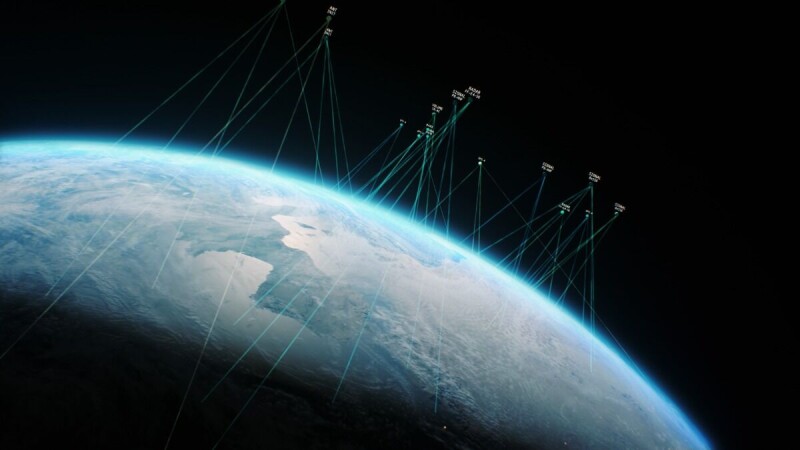
Google is launching its tensor processing units (TPUs) into orbit next week aboard a SpaceX rocket as part of Project Suncatcher, testing whether space-based datacenters powered by unlimited solar energy could sustainably power AI infrastructure. This proof-of-concept mission aims to understand how Google's homegrown computing hardware handles both the violent forces of launch and the harsh space environment. Whilst the concept has garnered scepticism—some analysts have called it "peak insanity"—Google has pursued it pragmatically as a genuine moonshot experiment.
The TPUs will experience forces of 50–100 gravities during launch and subsequently face challenges including cosmic radiation, solar activity, and heat dissipation in the vacuum of space where convection cannot occur. Google has conducted extensive testing, including vibration simulations and radiation exposure using UC Davis's Crocker Nuclear Laboratory's proton beam, to prepare for these conditions. Each TPU will require approximately 1.3 square metres of radiator surface area to dissipate heat, and Google plans to pack dozens of TPUs into each satellite. The test satellite is scheduled to launch on 1 October aboard a SpaceX Falcon 9 rocket on the Transporter-18 rideshare mission.
- Google testing space-based AI compute using TPUs in orbit next week
- Hardware must survive 50–100G launch forces and cosmic radiation in vacuum
- Each TPU needs 1.3 m² radiator area; launch scheduled for 1 October
Read the full article at the source →
Originally published by The Register as “Google’s TPUs to catch some rays in orbit next week”.