Politics news and discussion on TalkFuse.
GOP pins hopes in Mississippi Senate race on late-arriving ballots it asked Supreme Court to strike down
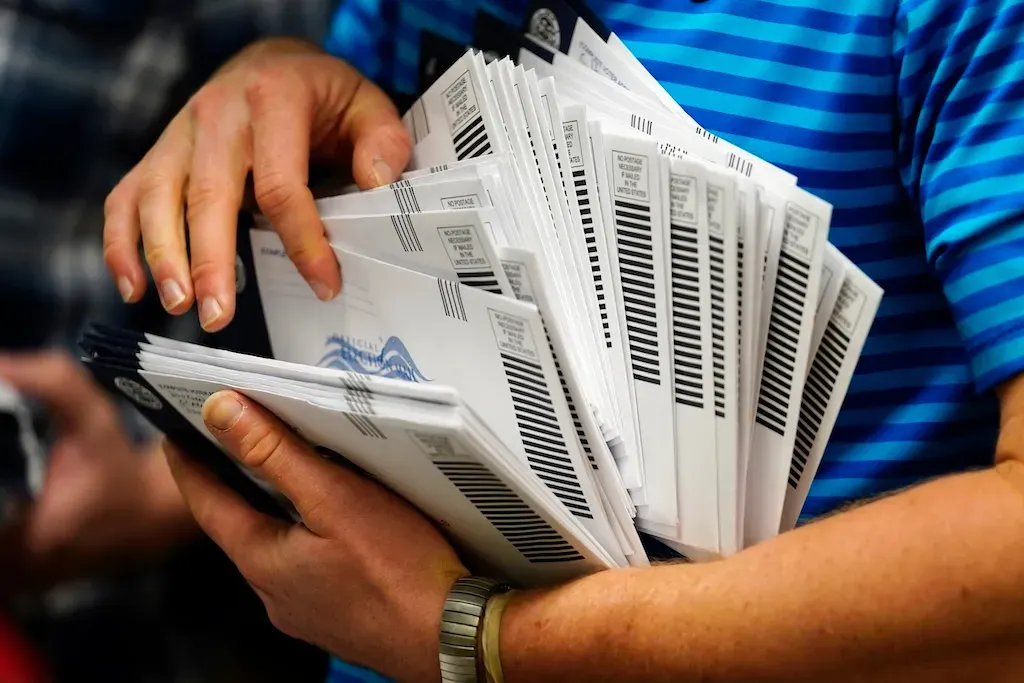
Republican Senator Cindy Hyde-Smith is narrowly behind Democratic challenger Scott Colom in an unexpectedly close Mississippi Senate race. Republicans are hoping that a Supreme Court ruling against counting certain late-arriving mail ballots will benefit Hyde-Smith, though the result remains uncertain.
Colom leads by 1,724 votes, with about 95.6% counted as of midday Thursday, according to the Associated Press. The race has not been called, and most outstanding votes are expected to be provisional ballots and late-arriving mail ballots, which both parties believe could favour their candidate.
In short
- Colom leads Hyde-Smith by 1,724 votes.
- About 95.6% of votes had been counted.
- Both parties are watching outstanding ballots closely.
Steelman: both sides, in good faith
The strongest fair case each way — we don't pick a winner.
The case for
Republicans can argue that ballots should be counted only under clear, consistently applied deadlines set by state law, and that excluding late-arriving ballots protects predictable election rules and public confidence. If the Supreme Court ruling applies to these ballots, they may say it should be followed regardless of which candidate benefits.
The case against
Democrats can argue that mail ballots cast on time should count even if delivery is delayed, since voters should not lose their say because of circumstances beyond their control. They may also contend that changing or applying counting rules after voting risks disenfranchising eligible voters and undermining confidence in a close result.
Explained simply
Mississippi sends two senators to the US Senate, where members serve six-year terms and vote on federal laws and appointments. Cindy Hyde-Smith, a Republican, has represented the state since 2018; Scott Colom is the Democratic challenger.
Mississippi allows some mail ballots to arrive after Election Day if they were sent on time and meet state rules. The treatment of these ballots has been contested in court, and the US Supreme Court has ruled against counting certain late-arriving ballots in some circumstances. Provisional ballots, meanwhile, are set aside when a voter’s eligibility or registration needs checking.
The dispute matters because, in a close race, decisions about which ballots count can affect the final result. The parties’ expectations about who may benefit from outstanding ballots are not enough to determine the outcome.