Politics news and discussion on TalkFuse.
Inside the vicious White House free-for-all threatening to tear Democrats apart after crushing Trump in the midterms… as the battle for 2028 begins
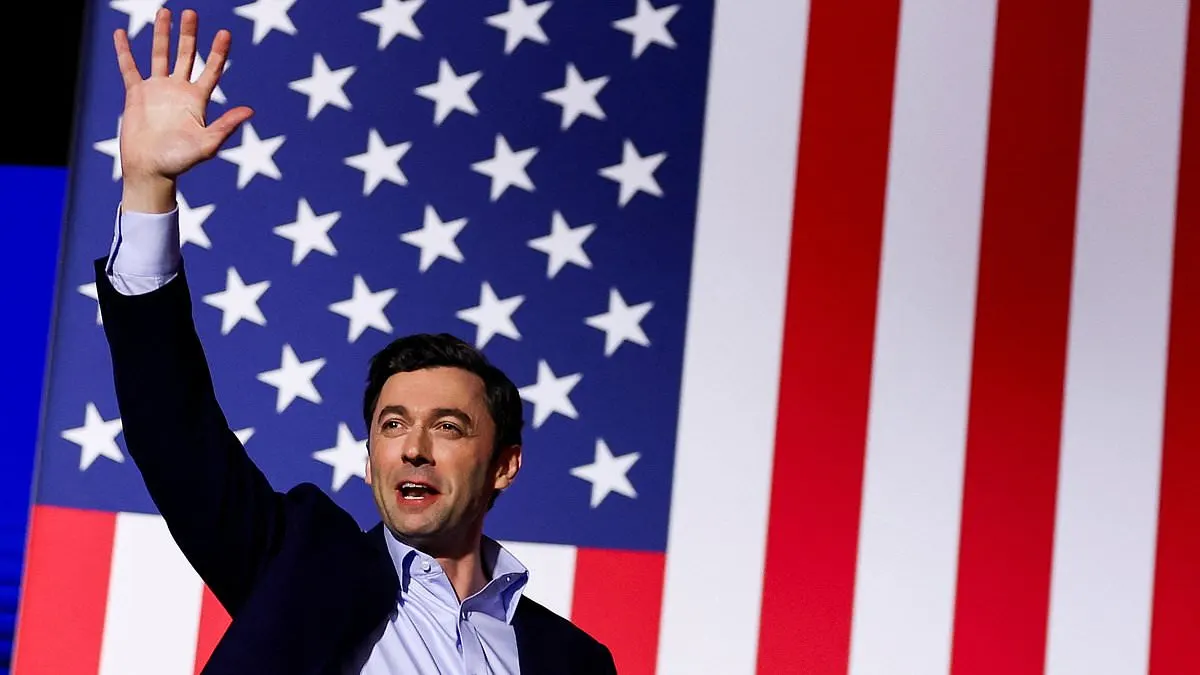
Democrats’ strong midterm gains have opened a path to contest the White House in 2028, but the result is sharpening tensions between the party’s progressive and centrist wings. The article argues that a crowded presidential primary could become a struggle over the party’s direction, while Democrats also risk mistaking opposition to Donald Trump for broad support of their own policies.
Progressives point to Senate victories by Abdul El-Sayed in Michigan and Troy Jackson in Maine, and democratic socialists’ House wins; centrists cite moderate successes in Kansas and South Carolina. Potential figures include Alexandria Ocasio-Cortez, Georgia Senator Jon Ossoff and Kamala Harris, though some party insiders reportedly want Harris not to run. The article cites an NBC poll in which 29 per cent viewed the Democratic Party positively, compared with 18 per cent for House leader Hakeem Jeffries and 13 per cent for Senate leader Chuck Schumer. Democrats may also struggle to deliver on affordability and healthcare promises if Trump uses his veto power to block their plans.
In short
- Midterm gains have intensified Democrats’ debate over the party’s direction.
- Several prominent figures could pursue the 2028 nomination.
- Voters’ rejection of Trump may not mean strong support for Democrats.
Steelman: both sides, in good faith
The strongest fair case each way — we don't pick a winner.
The case for
Progressives can argue that the party’s recent wins show voters are ready for stronger action on affordability, healthcare and inequality, and that nominating a candidate who offers clear change could energise the coalition. They may see a crowded primary as a healthy way to debate priorities and choose a leader with a genuine mandate.
The case against
Centrists can argue that winning a national election requires appealing beyond the party’s most engaged voters, and that moderate candidates have also shown they can succeed in competitive states. They may favour a more incremental platform and warn that Democrats could overread gains driven by opposition to Trump, especially when a president’s veto could limit what the party can deliver.