GOV MIKE DUNLEAVY: China is holding critical minerals hostage. Alaska can help end the threat
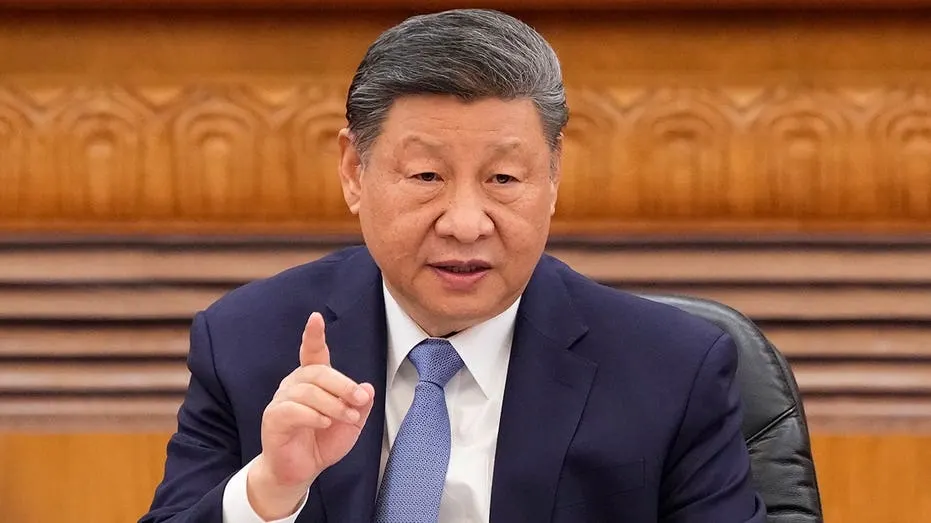
Alaska Governor Mike Dunleavy has written an opinion piece arguing that the United States must urgently develop its own critical mineral reserves to reduce dependence on China, which he accuses of using access to such minerals as a tool of economic coercion against American trade policy. He contends that Alaska, which holds deposits of 57 of the 60 most important critical minerals, is central to this effort, citing the state's Graphite Creek Project as a resource capable of meeting the entire country's graphite needs for a century.
Dunleavy criticises the previous Biden administration for spending $150 million of taxpayer money on a loan to a graphite facility in Mozambique that later closed amid civil unrest linked to ISIS-affiliated groups, arguing this illustrates the risks of relying on foreign, unstable sources instead of domestic production. He praises President Trump's executive order aimed at unlocking Alaska's natural resource potential, and argues that developing projects such as Graphite Creek would create jobs, secure supply chains for American industry, and support broader US economic and national security goals.
In short
- Dunleavy urges faster development of Alaska's critical mineral reserves
- He says China uses mineral access as economic leverage against the US
- Article praises Trump's order to expand Alaska resource development
Steelman: both sides, in good faith
The strongest fair case each way — we don't pick a winner.
The case for
Advocates for accelerating Alaskan mineral development argue that America's near-total reliance on China for graphite and other critical minerals is a genuine strategic vulnerability, one Beijing has shown willingness to exploit through export restrictions during trade disputes. They contend that permitting reform and federal support for projects like Graphite Creek would create well-paid jobs, strengthen manufacturing and defence supply chains, and replace dependence on politically unstable or adversarial suppliers with secure domestic sources, arguing this is simply prudent economic and national security planning rather than partisan opportunism.
The case against
Sceptics of rapid mineral expansion argue that fast-tracking permits risks lasting damage to Alaska's ecosystems, fisheries and Indigenous communities' subsistence lands, and that national security arguments can be used to sideline the environmental review processes designed to catch such harms. They also caution that framing this primarily as a partisan rebuke of the previous administration oversimplifies a genuinely difficult problem, since diversifying supply chains, including through allied nations and responsible international investment, may better manage risk than a rushed, wholly domestic build-out driven largely by industry and state political interests.
Explained simply
Alaska's governor, Mike Dunleavy, has written an opinion article about "critical minerals" – a group of raw materials, including graphite, that are used in things like batteries, electronics and defence equipment. Much of the world's supply of these minerals currently comes from China, and there is growing concern in the US about relying so heavily on one country for materials seen as essential to the economy and national security.
Dunleavy argues that Alaska has large untapped deposits of many of these minerals and could reduce America's dependence on Chinese supplies if projects there were developed. He points to the Graphite Creek site in Alaska as one example, and contrasts this with a past US government-backed investment in a graphite facility in Mozambique that later shut down. The piece also references a recent executive order from President Trump aimed at expanding resource development in Alaska.
The topic matters because critical minerals sit at the intersection of trade, industry and security policy, and disputes over who controls their supply have become a recurring flashpoint in US-China relations. Decisions about where these minerals are mined, and how quickly, can affect manufacturing costs, energy and defence supply chains, and government spending priorities.