Government halts council reorganisation decisions following new legal advice
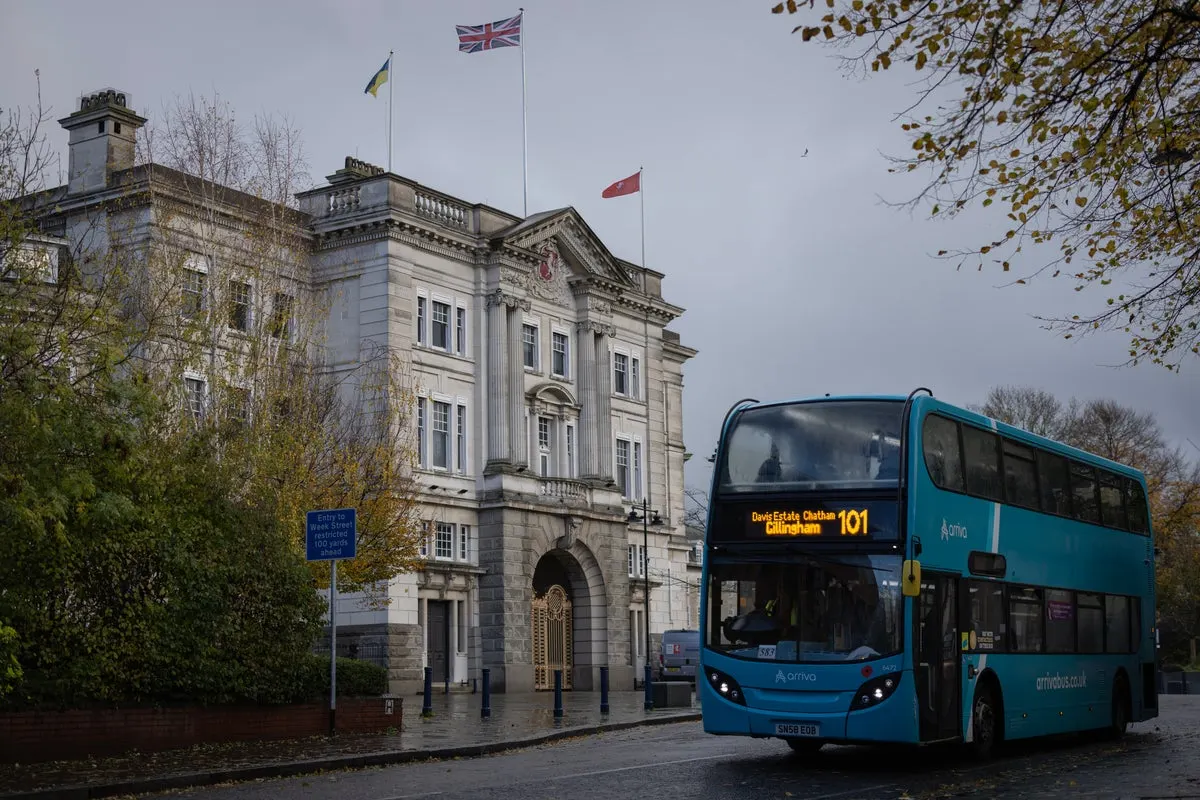
The UK government has withdrawn decisions on flagship local government reorganisation schemes and launched a review of its plans after receiving new legal advice. The Ministry of Housing, Communities and Local Government said the pause is intended to ensure the process is robust and lawful, and comes amid growing resistance from councils, at least eight of which have launched or considered legal challenges over the boundaries chosen for new unitary authorities.
Restructuring plans for Essex, Hampshire, Norfolk and Suffolk have been formally withdrawn, while decisions on 14 other areas, plus Cambridgeshire & Peterborough and West Sussex, are being paused for review. Reform UK-led Kent County Council had been due to discuss a judicial review after receiving no government response to its concerns. Communities secretary Angela Rayner is expected to tell Parliament she wants to test whether the proposals meet the priorities of the new administration. Local elections in May 2027 will proceed on existing boundaries, and Surrey's reorganisation, with new East and West Surrey unitary authorities launching in April 2027, is unaffected.
In short
- Government pauses council reorganisation decisions after new legal advice
- Essex, Hampshire, Norfolk, Suffolk plans withdrawn amid legal challenges
- Surrey unaffected; new unitary authorities still due April 2027
Steelman: both sides, in good faith
The strongest fair case each way — we don't pick a winner.
The case for
Pausing the decisions allows the government to check that a major restructuring is lawful and that affected councils have had a fair process, reducing the risk of costly disputes or flawed arrangements. Reviewing the plans against the new administration’s priorities could also help ensure future authorities are workable and serve local communities well.
The case against
Withdrawing or delaying decisions creates uncertainty for councils, staff and residents who need to plan services and budgets, and may slow reforms intended to make local government more effective. Councils and communities may also see a review after boundaries have already been chosen as further delay without clear assurance that local concerns will change the outcome.
Explained simply
Local government in England is organised through councils that provide services such as social care, housing and rubbish collection. In some areas, the government has proposed replacing the existing mix of county and district councils with single-tier “unitary” authorities responsible for local services.
The Ministry of Housing, Communities and Local Government oversees the plans, while councils and residents are affected by decisions about how new authority boundaries are drawn. Councils have challenged or considered challenging some proposals in court, making the legal basis and process important to the future shape of local government.