Politics news and discussion on TalkFuse.
Guy Fawkes Day: Not what it used to be
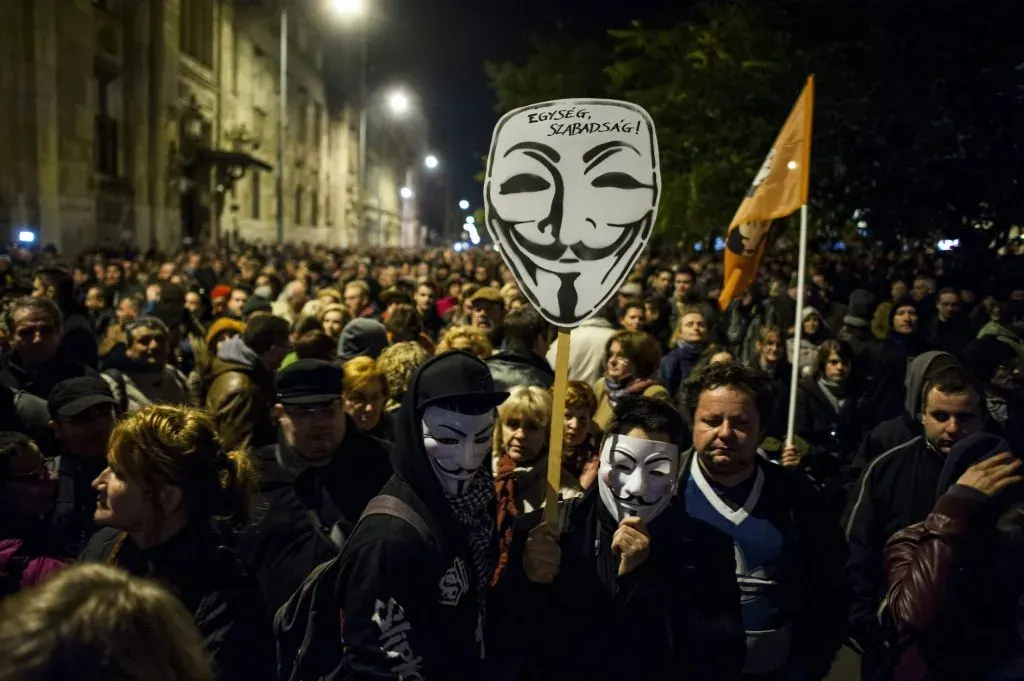
The article recalls the failed Gunpowder Plot of 5 November 1605, when Catholic conspirators tried to blow up the British Parliament. The author says he has marked the date in recent years by burning Guy Fawkes in effigy at his home in Arlington, with police occasionally visiting after complaints about fireworks.
An anonymous letter alerted authorities, who found Fawkes guarding 36 barrels of gunpowder beneath the House of Lords; he and the other plotters were later executed. The article notes that Fawkes was not the plot’s leader, but became its best-known figure because he was caught at the explosives.
In short
- The Gunpowder Plot was foiled on 5 November 1605.
- Guy Fawkes was caught guarding 36 barrels of gunpowder.
- The author marks the date with an annual effigy and fireworks.
Explained simply
On 5 November 1605, a group of English Catholics plotted to blow up Parliament while King James I and lawmakers were inside. They hoped to end the government’s restrictions on Catholics, who faced limits on practising their faith.
An anonymous letter led officials to search beneath the House of Lords, where they found Guy Fawkes guarding barrels of gunpowder. Fawkes was one of several conspirators, but became the plot’s best-known figure because he was caught at the scene; he and the others were later executed. The failed plot is remembered each year on 5 November, often with bonfires and fireworks.