“He was doing something humanitarian and beautiful while everyone else was doing ecstasy in the clubs”: Peter Gabriel could have made another pop album like So. Instead he turned to the dark side of prog with Us and Up
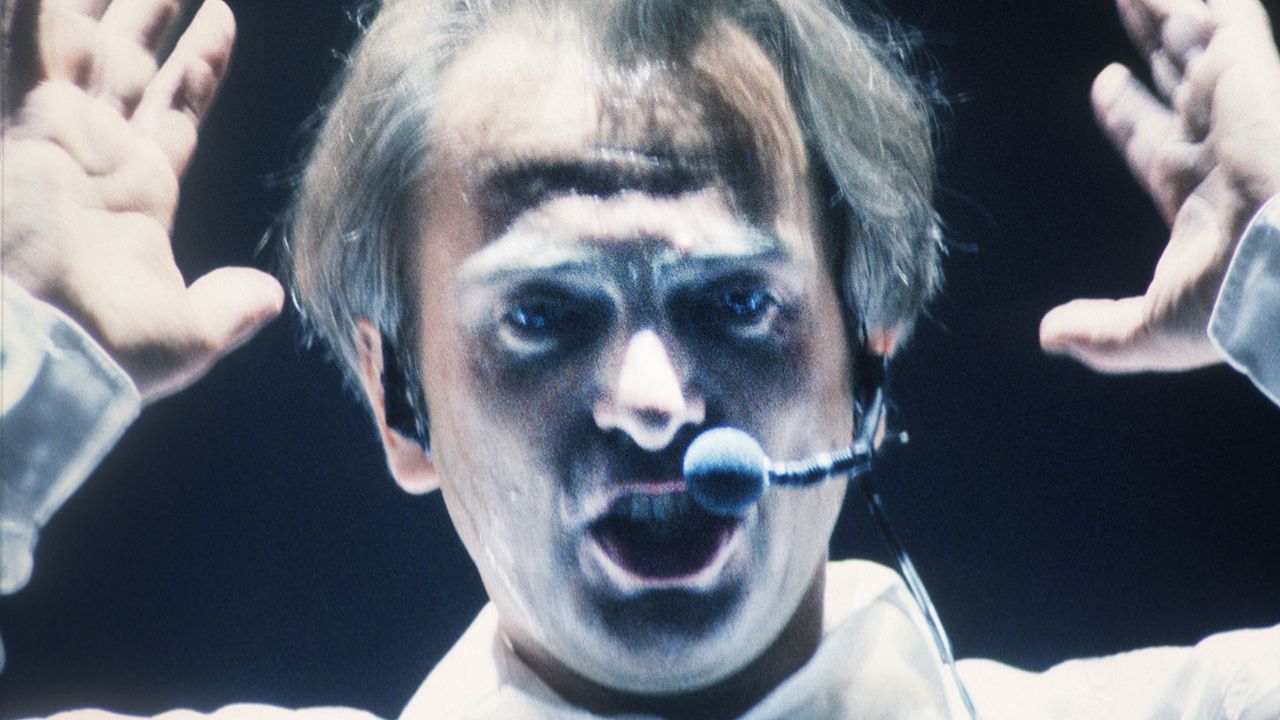
Peter Gabriel’s 1986 album So made him a global star and gave him the financial security to pursue more ambitious, less commercial work. Rather than repeating its accessible pop formula, he used the follow-up albums Us and Up to explore darker, more progressive and introspective territory.
So topped the UK album chart and reached number two in the US, propelled by singles including Sledgehammer and the Kate Bush duet Don’t Give Up. The success came after Gabriel had faced bankruptcy in 1982 and been financially helped by his former Genesis bandmates, making his later artistic freedom particularly significant.
- So’s success enabled Peter Gabriel to take greater artistic risks.
- Us and Up moved away from pop towards darker prog.
- Gabriel had previously faced bankruptcy despite his creative ambitions.
Both sides, in good faith
The strongest fair case each way — we don't pick a winner.
The case for
Choosing Us and Up over a calculated sequel to So can be seen as an artist using hard-won security responsibly: to take creative risks rather than preserve a commercial formula. The albums’ darker, more introspective progressive approach allowed Gabriel to address emotional and social themes with greater depth, and supporters may regard that independence as central to his artistic identity. Having experienced financial insecurity, he had particular reason to value the freedom to make work on his own terms.
The case against
A more accessible follow-up to So could also have been a legitimate artistic choice rather than a cynical one, especially if it built on the songwriting, collaboration and broad communication that made that album resonate. Critics of the later direction may feel that its density and length made Gabriel’s music less immediate, limiting its reach without necessarily making it more profound. From this view, popular success can enable meaningful art to reach more people, and retaining that accessibility need not amount to repeating oneself.