Healey has launched yet another spiteful attack on the prudent – why I fear this is just the calm before the storm, says JEFF PRESTRIDGE
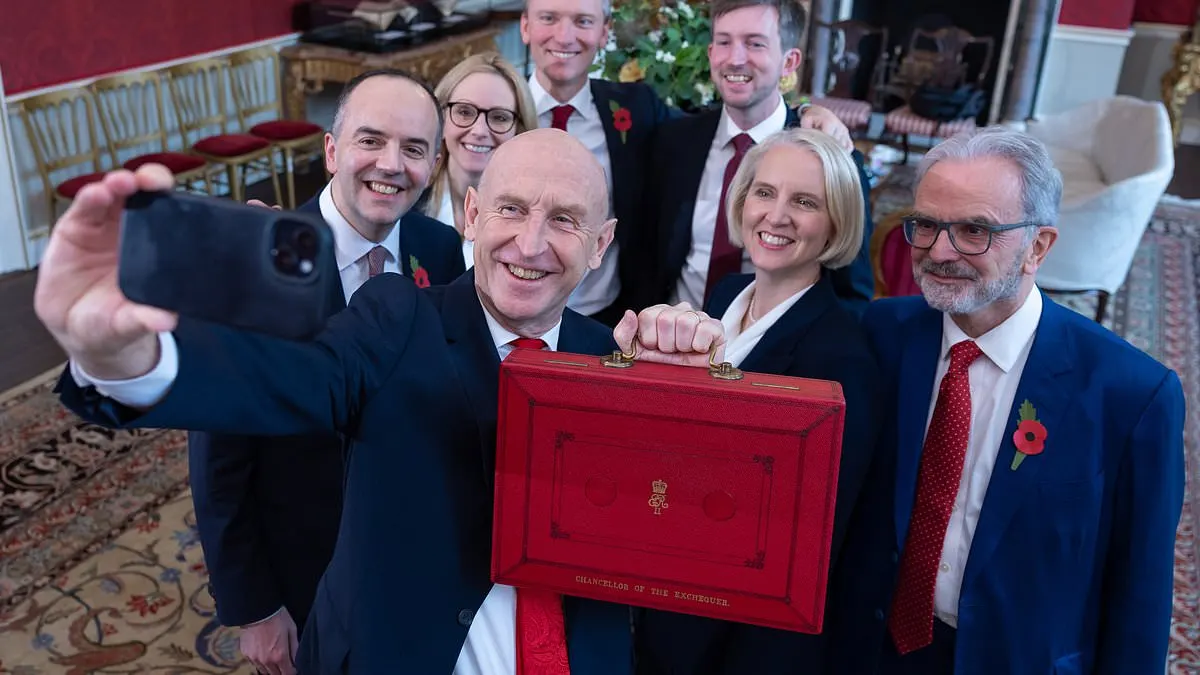
The columnist says Chancellor John Healey’s Budget was gentler on household finances and small businesses than the previous two Budgets, but argues it contains a further tax rise for savers and landlords. He warns that the increase adds to one announced by Rachel Reeves and sees it as an unfair penalty on people who save or earn rental income.
From April, tax on savings interest is due to rise to 24% for basic-rate taxpayers, 44% for higher-rate taxpayers and 49% for additional-rate taxpayers. The Budget also keeps the annual cash ISA allowance at £20,000 for all adults, extends the fuel duty freeze and suspends VAT on electricity bills until next July, and provides a one-off £100 payment to 20 million households in council tax bands A to D. The writer says these measures may ease costs but will not prevent typical annual energy bills exceeding £2,000 next year, compared with a current price cap of £1,723.
In short
- Savings interest tax rates are set to rise by a further two percentage points.
- The £20,000 annual cash ISA allowance remains for all adults.
- Energy and fuel support is extended, but bills are still expected to rise.
Steelman: both sides, in good faith
The strongest fair case each way — we don't pick a winner.
The case for
The higher tax on savings interest can be defended as a way to raise revenue from investment income while helping fund measures that ease pressure on household bills. Keeping the full £20,000 cash ISA allowance, alongside energy-bill relief and household payments, also gives savers ways to protect savings and offers broader support to families.
The case against
Critics can argue that taxing savings interest more heavily penalises people who have set money aside prudently, including those relying on interest to supplement their income. The rise also adds to an earlier increase affecting landlords, while temporary bill relief may offer limited comfort if typical annual energy bills still exceed £2,000 next year.
Explained simply
The Chancellor sets taxes and public spending in the annual Budget, which can affect households, businesses and people who save or rent out property. Savings interest is the money paid by banks or building societies on deposits, while landlords may earn rental income from tenants.
The cash ISA is a savings account whose interest is tax-free, up to an annual limit set by the government. Fuel duty and VAT are taxes that can affect the cost of petrol and electricity, while council tax bands help determine how much households pay to their local council.