Healey announces £100 winter energy payment for 20 million households
Developing story first seen 2 hours ago
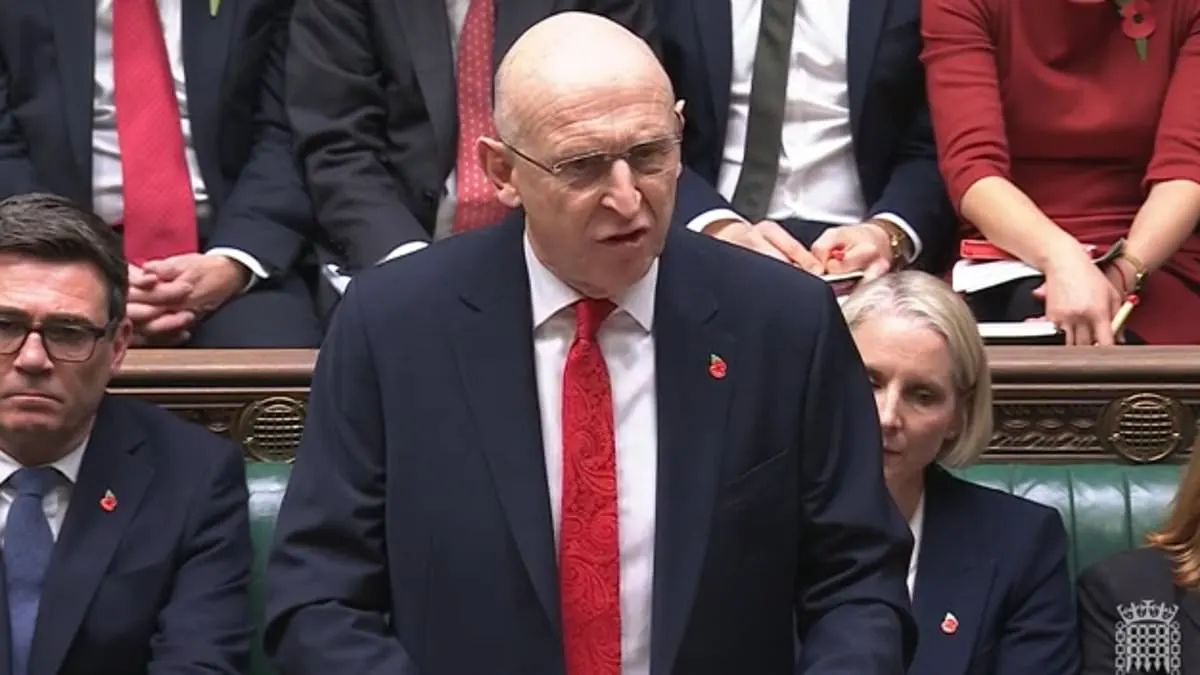
The new coverage confirms that 20 million households in council tax bands A to D are due to receive a £100 payment this winter to help with energy bills. Chancellor John Healey said the £2.6 billion scheme is intended to ease pressure as energy costs rise.
The payment will go directly into bank accounts and is expected to cover 83 per cent of households considered fuel stressed. It will be funded by a three percentage point increase in the tax on bank profits for 15 months from January. The Government also plans to extend the electricity bill VAT holiday to July and ask Ofgem to remove gas standing charges in 2027 or as soon as possible after; experts warn that some households could pay more if unit rates rise.
- Sources
- 2
- Outlets
- 2
- Left · Centre · Right
- 0 · 0 · 1
In short
- £100 payment planned for 20 million households this winter.
- Homes in council tax bands A to D qualify.
- Changes to standing charges could affect households differently.
How this story developed
- 4 minutes ago Chancellor John Healey announced a £100 winter energy payment for 20 million households in council tax bands A to D, saying it would help families manage rising bills.
- 1 hour ago The new coverage confirms that 20 million households in council tax bands A to D are due to receive a £100 payment this winter to help with energy bills. Chancellor John Healey said the £2.6 billion scheme is intended to ease pressure as energy costs rise.
Steelman: both sides, in good faith
The strongest fair case each way — we don't pick a winner.
The case for
Supporters can argue that a direct £100 payment to 20 million households offers timely, practical help with winter bills, while the VAT extension provides further relief. Targeting council tax bands A to D directs public money towards many households likely to be under pressure, and the wider package can be seen as easing costs while retaining the net-zero commitment.
The case against
Critics can argue that a universal payment across bands A to D may not focus support on those facing the greatest hardship, and that £100 may offer only limited relief from rising bills. They may also question the cost and design of the broader measures: removing gas standing charges could leave some households paying more, while keeping the net-zero commitment may constrain choices about reducing energy costs.
Explained simply
Household energy bills include the cost of the gas and electricity people use, as well as fixed charges for being connected to the network. These costs can rise or fall with energy prices and policy decisions, making winter bills a concern for many households.
The main figures are Chancellor John Healey, who sets out the Government’s spending plans, and Ofgem, which regulates energy suppliers and the market. Council tax bands are used to group homes by their assessed value, and bands A to D cover homes in the lower part of that scale.
The Government says its approach is intended to ease household costs while changing how the energy market works, alongside a commitment to reach net zero emissions by 2050. Removing a fixed gas charge could affect households differently depending on how much gas they use, because costs may shift between the standing charge and the price per unit.
Coverage · 2 sources
Read the full article at the source →
Originally published by Daily Mail as “Healey’s £2.6billion winter warmer: Chancellor to give 20 million households £100 handout towards energy bills”.