World news and discussion on TalkFuse.
Heavy rain triggers flash flood emergency in Southern states as cross-country storm shifts east
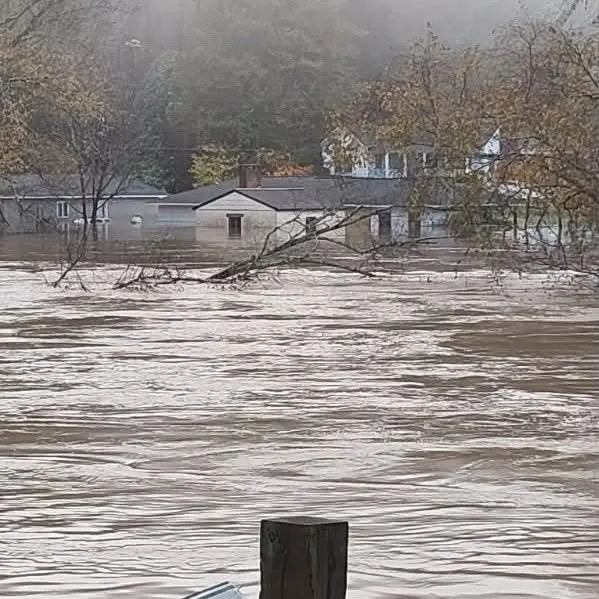
Heavy rain caused flash flood emergencies in Polk County, Tennessee, and Fannin County, Georgia, early Thursday as storms along a large system moved east. Flooding forced evacuation requests, prompted swiftwater rescues and led McCaysville to declare a state of emergency, highlighting the immediate danger to communities beside swollen rivers.
Between 5 and 8 inches of rain fell in parts of the region in 12 hours, pushing the Ocoee River into major flood stage and sending water into homes; a propane tank also caught fire at a McCaysville business. Copperhill closed and warned people to avoid downtown and riverside areas, while Polk County schools shut for the day. The storm is expected to bring further rain to the Northeast, where some coastal areas could see 2 to 3 inches after more than two weeks of dry weather.
In short
- Flood emergencies followed up to 8 inches of rain in 12 hours.
- Rescues and evacuations were under way in Tennessee and Georgia.
- The storm is moving east, bringing rain to the Northeast.
Explained simply
Flash floods happen when heavy rain falls faster than rivers, streams and drains can carry it away. Water can rise quickly, especially in valleys and towns built beside rivers, leaving little time for people to move to safety.
Polk County is in Tennessee and Fannin County is in neighbouring Georgia; McCaysville and Copperhill are towns on the state line beside the Ocoee River. Local authorities, emergency crews and schools respond to flood risks by warning or moving residents and closing areas that may be dangerous.
The storm system is moving east across the United States, bringing rain to places with different recent weather conditions. Flooding can threaten homes, roads and businesses, while heavy rain after a dry spell can also create hazards in areas that are less accustomed to it.