Pentagon removes senior planner as Trump weighs post-midterm Iran strikes
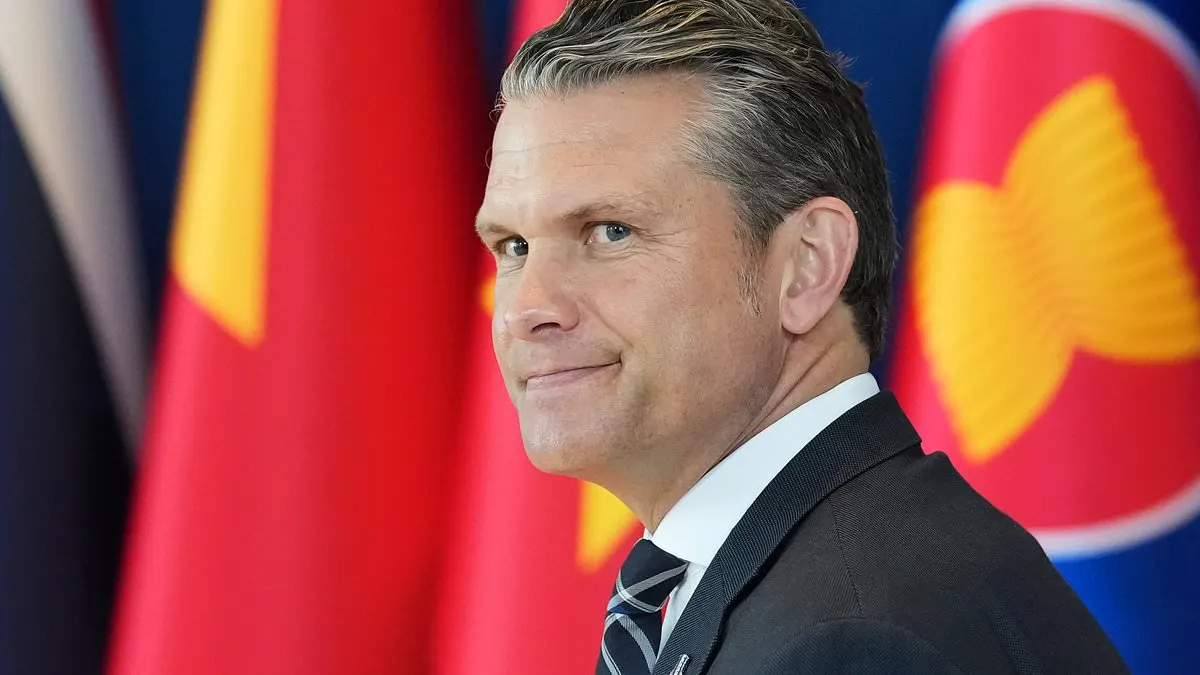
Defence Secretary Pete Hegseth has removed Army Lt Gen Brett Sylvia from his role leading strategy, plans and policy on the Joint Chiefs of Staff, leaving the Pentagon’s top military planning post without a named successor. The departure comes as President Donald Trump considers renewed strikes on Iran after next week’s midterm elections, raising questions about continuity in planning and coordination between military commanders, the Pentagon and the White House.
Sylvia is the second general to leave the post under Hegseth; his predecessor, Lt Gen Joseph McGee, was forced to retire last October. The Joint Staff said Sylvia had served for 32 years, while the Pentagon did not immediately comment on his removal. Nearly two dozen senior military leaders have departed during Hegseth’s tenure, and he has ordered a 20 per cent reduction in the number of top officers by 1 January 2027. US officials have warned regional partners to prepare for possible renewed action and Iranian retaliation, but Trump has not made a final decision; a third US aircraft carrier and additional troops are heading to the region.
In short
- Hegseth removed the Joint Chiefs’ top military planner.
- No successor has been named.
- Trump is weighing possible strikes on Iran after the midterms.
Steelman: both sides, in good faith
The strongest fair case each way — we don't pick a winner.
The case for
Supporters of the change could argue that senior military posts are subject to civilian oversight, and that a defence secretary must be able to replace leaders whose approach or priorities do not fit the administration’s plans. They may also see a broader reduction in senior officers as an effort to streamline command and make the military more responsive, while noting that no decision to strike Iran has been made.
The case against
Critics could argue that removing a highly experienced planner during heightened tensions with Iran risks weakening continuity and coordination at a consequential moment, especially with no successor named. The repeated departures and planned cuts to senior officers may also raise concerns about whether leadership changes are driven by strategic needs or political alignment, potentially complicating advice to civilian leaders and coordination with regional partners.
Explained simply
The Joint Chiefs of Staff is the senior military body that advises the US president and defence secretary, and helps coordinate plans across the armed forces. Its strategy, plans and policy office develops military options and works with commanders and government officials to turn decisions into plans.
The Pentagon is the US Department of Defense, led by the defence secretary; the White House, led by the president, makes decisions on whether to use military force. Brett Sylvia was an Army lieutenant general in the Joint Staff, while Donald Trump is president and Pete Hegseth is defence secretary.
Iran is a regional power whose government and armed forces have long been in conflict with the United States and its partners. Any US military action could affect regional security and prompt a response, so planning involves coordination between political leaders, military commanders and allies.
Elections Government Middle East Politics World
Read the full article at the source →
Originally published by Daily Mail as “Hegseth ousts top military planner at Pentagon as Trump considers launching strikes on Iran after midterms”.