Video games news, releases, esports and culture — all the biggest gaming stories in one place.
Hell Let Loose: Vietnam director says games need “friction” to thrive, and this shooter is proof
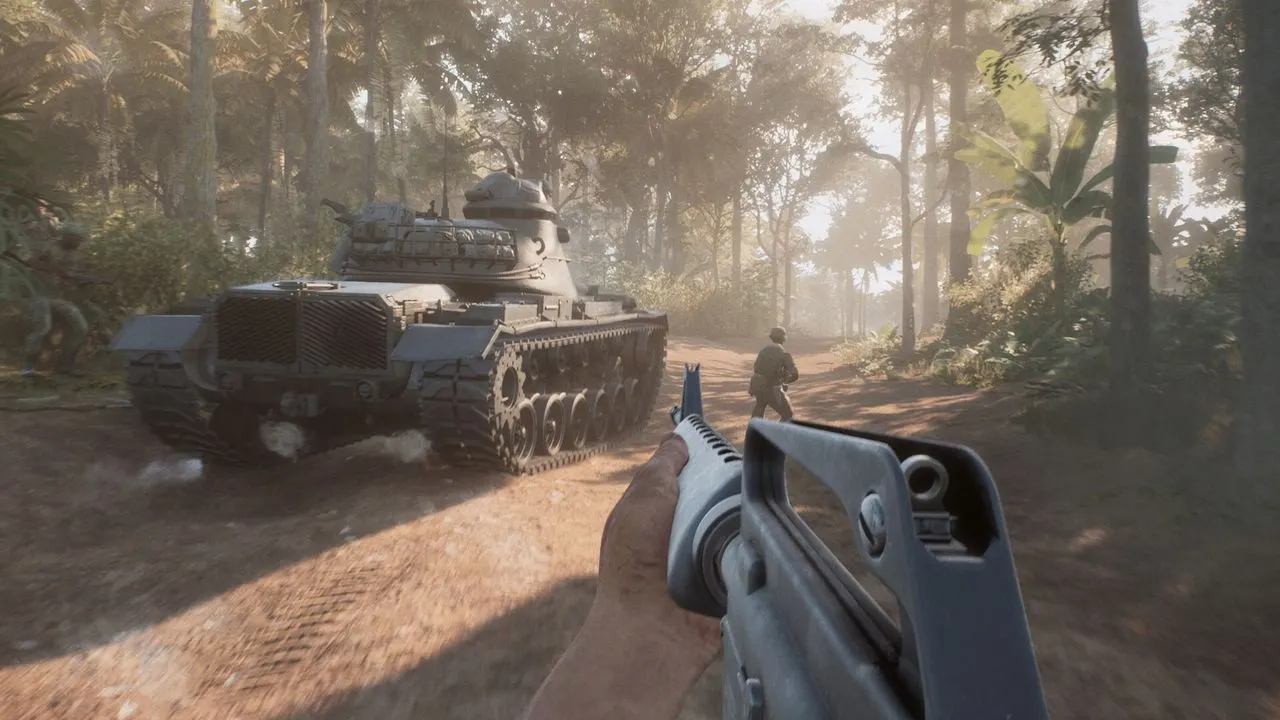
Hell Let Loose: Vietnam’s director argues that games need meaningful “friction” — demanding systems and consequences — to create memorable experiences, and presents the tactical shooter as an example of that approach. The game prioritises teamwork, communication and battlefield objectives over individual kill counts, setting it apart from more immediately accessible mainstream shooters.
Its 50-versus-50 battles make players rely on commanders, squad leaders and carefully placed spawn points, with poor coordination potentially forcing long journeys back to the frontline. The Vietnam setting adds asymmetric mechanics: US forces have helicopters and air power, while North Vietnamese forces can use tunnels and the jungle to move and ambush opponents; the design aims to make difficulty strategic rather than merely frustrating.
In short
- The director says meaningful challenge makes games more engaging.
- Teamwork matters more than individual kills.
- Asymmetric Vietnam-era tools shape each side’s tactics.
Steelman: both sides, in good faith
The strongest fair case each way — we don't pick a winner.
The case for
The demand for meaningful friction in games creates genuine engagement and memorable experiences through earned achievement that accessibility alone cannot replicate. When victories require coordination, skill, and overcoming real strategic challenges, players experience emergent stories and lasting investment worth returning to—elements justified by a game's longevity as a skill-respecting challenge. This values honest design that respects player commitment by rewarding competence, treating difficulty as the engine of meaningful play rather than an obstacle.
The case against
Excessive friction creates unnecessary barriers excluding casual and time-constrained players, often sacrificing genuine enjoyment for difficulty's sake. Meaningful engagement, memorable narratives, and cooperative joy can flourish through thoughtful design without harsh punishment for failure; accessibility and depth need not be in tension. This perspective prioritises inclusion over gatekeeping, arguing that widening access enriches rather than diminishes a game's value and rejecting the premise that play becomes meaningful only through frustration and suffering.
Explained simply
Hell Let Loose: Vietnam is a large-scale tactical shooter set during the Vietnam War. Players fight in teams of up to 50, with commanders and squad leaders helping organise attacks and defend objectives.
The game is part of a genre that also includes fast-paced shooters focused on individual action. Here, players depend more on communication and shared plans: poorly placed spawn points can leave a squad facing a long walk back to the fighting.
The two sides have different tools and ways of moving through the battlefield. US forces can use helicopters and air power, while North Vietnamese forces can use tunnels and jungle cover. These differences shape how teams plan and respond to one another.