Technology news and discussion on TalkFuse.
Here’s what to look for so you don’t get scammed by a fake GPU
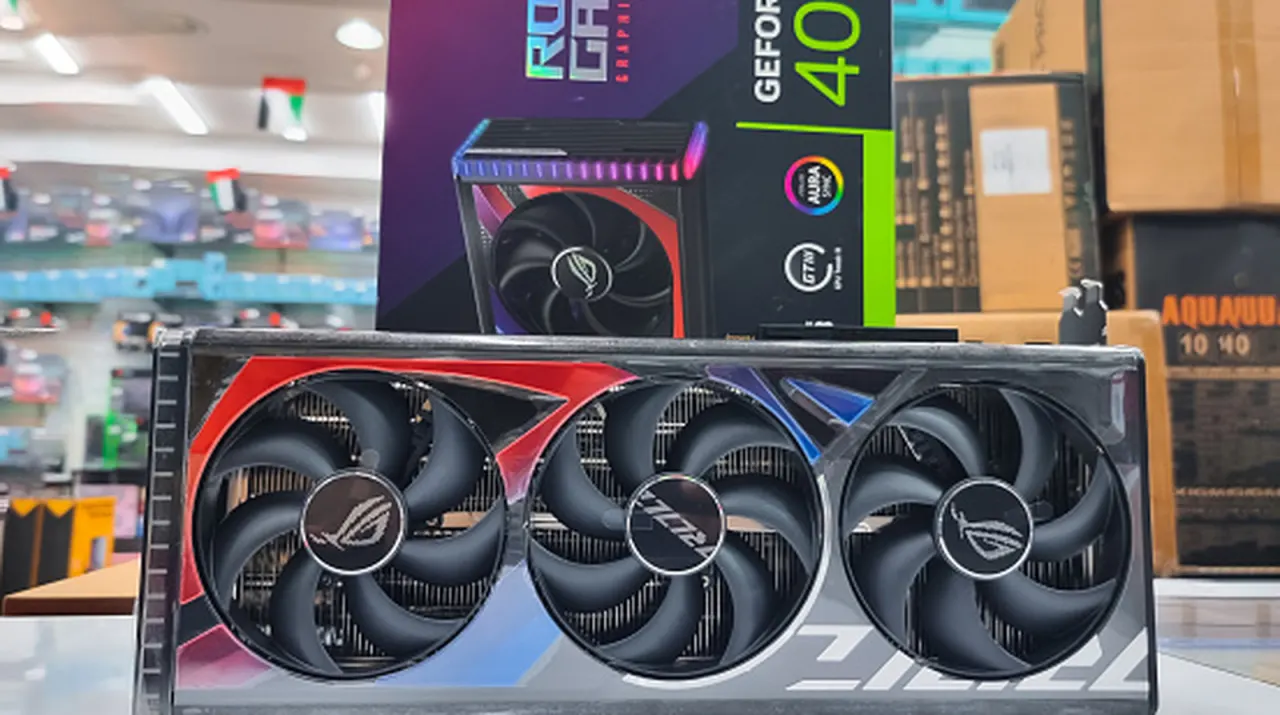
Rising demand for graphics cards, driven by the AI boom and price increases, has created more opportunities for GPU scams. Buyers have reported receiving food or a picture instead of a card, while some traded-in cards have been stripped of their memory chips, leaving empty shells.
The article advises treating unusually cheap listings with caution and checking photos, asking sellers for more images and answers, and avoiding pressure to buy quickly. In-person buyers can inspect and test a card, including running a 15-minute stress test; online buyers should request test videos, check reviews and use buyer protection, while recognising that recovering money can still be difficult.
In short
- GPU demand and rising prices are fuelling scams.
- Check listings, seller details and the card itself.
- Buyer protection helps, but refunds can be difficult.
Explained simply
Graphics processing units, or GPUs, are computer parts that handle complex images and calculations. They are used for gaming and other graphics work, and demand has also grown as companies use them to develop and run artificial intelligence systems.
That demand and rising prices have made GPUs valuable targets for dishonest sellers. Some buyers have received food or a picture instead of a card, while others have found that a card’s memory chips have been removed, leaving little of its value behind.
People buying second-hand cards may have less protection than when buying from a shop, especially if a seller cannot be traced or a payment cannot be reversed. Checking that a card is real and works matters because photos and promises alone may not reveal what is inside.