‘Hidden time-capsule of UK biodiversity’ unlocked
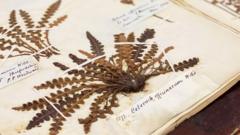
More than 10,000 dried and pressed plant specimens held at the Royal Agricultural University (RAU) herbarium in Cirencester, Gloucestershire, are being photographed and digitally catalogued for the first time, unlocking what researchers describe as a "hidden" record of the UK's historic biodiversity. The collection, which includes flowers dating back to 1797 and specimens gathered by geologist Samuel Pickworth Woodward, a correspondent of Charles Darwin, has never had its contents fully catalogued, meaning its scientific value has effectively been locked away in handwritten sheets. Digitisation will let researchers use it for climate change, habitat management and genetics research.
The project forms part of a £155m national scheme to connect around a million herbarium specimens held in collections across the UK, with more than 1.2 million records from 23 museums and herbaria expected to be added to a central England hub over the next two years. Because each specimen records the date and location it was collected, scientists can compare historic plants with those growing today to track shifts in flowering times linked to climate change. RAU academics said the work would both safeguard the collection for future generations and make its data accessible for international research.
- RAU is digitising over 10,000 historic herbarium plant specimens
- Collection includes 1797 flowers linked to Charles Darwin's correspondent
- Part of £155m scheme to connect a million UK specimens for research