Hideo Kojima Shows There’s No Hard Feelings After Physint Axe by Visiting Sony City
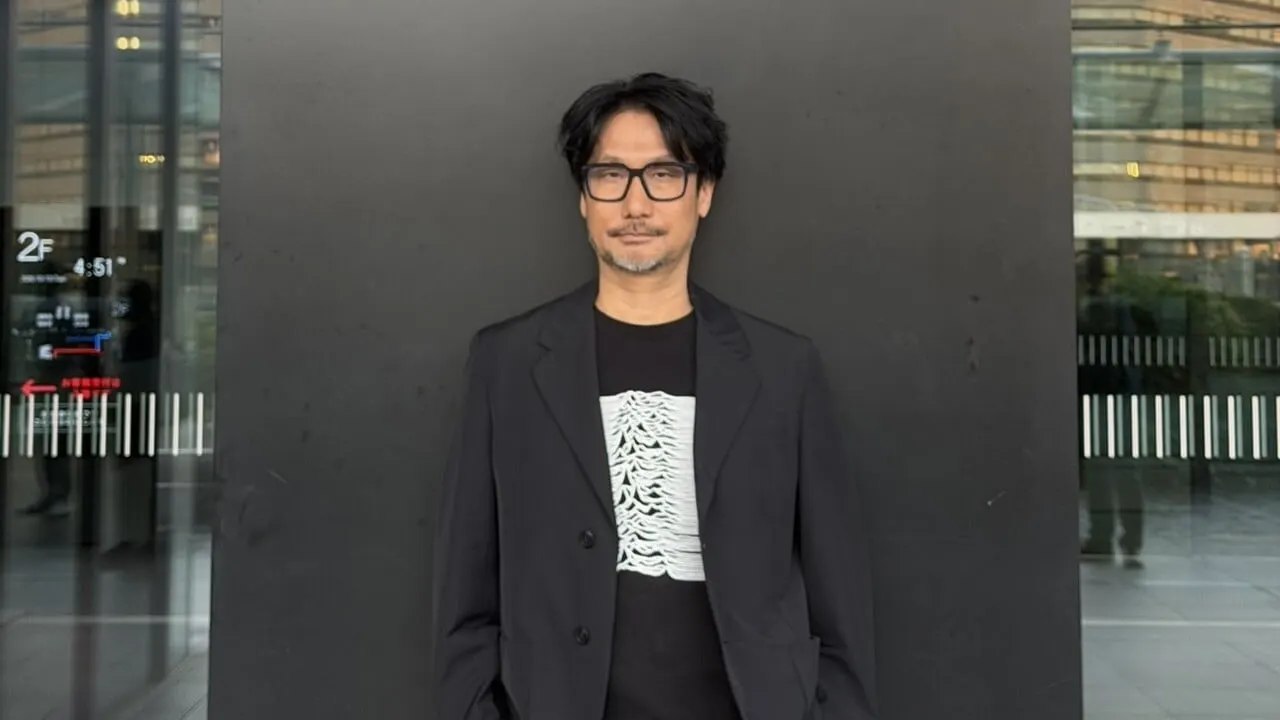
Hideo Kojima visited Sony City and told IGN he still “loves” Sony and has no hard feelings towards the company, despite its decision to stop funding his game Physint. The visit suggests the business relationship remains cordial, even though the project is now reportedly being funded by Microsoft.
Sony’s reported objection was to paying for a game whose intellectual property it would not own, after months of negotiations. Speculation put Kojima’s requested budget at up to $400 million, but reports say Microsoft is funding the project for considerably less; the article gives no confirmed figure or reason for Kojima’s visit.
- Kojima says he has no bad feelings towards Sony.
- Sony reportedly stopped funding Physint after a dispute over ownership terms.
- Microsoft is now reportedly backing the project.
New here? Start with this
Hideo Kojima is a Japanese video game creator best known for the Metal Gear series. His studio, Kojima Productions, makes games independently, while companies such as Sony and Microsoft can provide funding and help bring them to players.
Physint is a planned game from Kojima Productions. Reports say Sony ended talks about funding it because it would not own the game’s intellectual property — the rights that let a company control and profit from a fictional world and its characters. Reports now say Microsoft is funding the project, though no confirmed budget has been given.
The reported change in funding matters because major games can require substantial investment, and who pays can affect who owns or publishes them. Kojima’s comments indicate that the business decision has not ended his cordial relationship with Sony.
Both sides, in good faith
The strongest fair case each way — we don't pick a winner.
The case for
Sony was entitled to weigh the cost and risk of a very large investment against the fact that it would not own the game’s intellectual property. Declining to fund Physint could reflect prudent stewardship of company resources, while leaving Kojima free to seek a partner whose terms better fit his ambitions. His reported visit and warm remarks suggest the decision need not damage a valued professional relationship.
The case against
Sony’s decision may have meant giving up a chance to work with a prominent creator on a project that could have strengthened its games portfolio. A company can sometimes justify funding work without owning the underlying intellectual property if the partnership offers other strategic or commercial benefits. From that perspective, declining after months of negotiations may look like a missed opportunity, even if the budget and ownership concerns were real.