World news and discussion on TalkFuse.
Highways chiefs missed ten chances in a year to identify and fix more than 150 faulty speed cameras, report finds, making smart motorways even ‘more deadly’
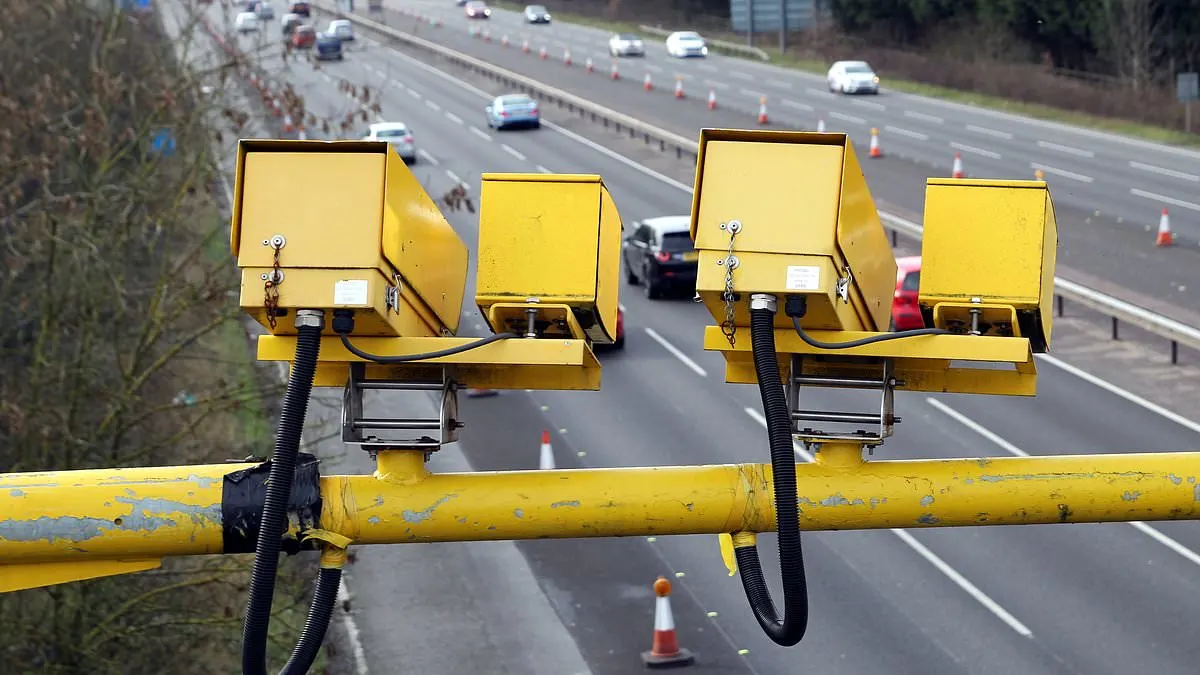
A report found that National Highways missed ten opportunities over a year to identify and fix faults affecting 154 speed cameras across 440 miles of roads in England. The delay meant drivers may have been wrongly fined, while cameras on smart motorways, where enforcement supports safety, have been out of action since December 2025.
Police first alerted the agency in January 2025 after a driver provided dashcam evidence of an incorrect ticket; the public was not notified until December. About 2,650 potentially wrongful speeding tickets issued since 2021 have been identified so far, with the total possibly higher. The report said the interaction between cameras and variable speed signs should have been caught during testing; the Home Office says it is ending its contract with the company operating the affected cameras.
In short
- A report says National Highways missed ten chances to address camera faults.
- 154 cameras across 440 miles of English roads remain affected.
- About 2,650 potentially wrongful tickets have been identified so far.
Steelman: both sides, in good faith
The strongest fair case each way — we don't pick a winner.
The case for
The failures raise serious concerns about public safety and accountability: cameras on smart motorways help enforce variable limits, and leaving them faulty for months may have weakened that safeguard. The agency had repeated opportunities to detect the problem, while drivers faced possible wrongful fines and were not told promptly; this supports calls for stronger testing, faster disclosure and clear responsibility.
The case against
The report describes significant failings, but the scale and consequences still need careful assessment: the number of crashes attributable to the inactive cameras is not established, and the total of wrongful tickets remains uncertain. Identifying a complex interaction between cameras and variable signs may require investigation, and ending the supplier’s contract and reviewing affected tickets could be reasonable steps while the system is repaired.
Explained simply
National Highways manages England’s motorways and major roads, while police enforce speed limits and issue speeding penalties. Some motorways use variable speed limits shown on electronic signs, and speed cameras help enforce those limits.
The cameras in question are operated under a contract with a private company, and their readings can be affected by how they interact with the signs. On smart motorways, cameras are part of the system used to enforce changing limits; knowing how that system works helps explain why camera faults matter for both penalties and road safety.
Drivers can challenge a speeding penalty if they believe it was issued in error. The Home Office is responsible for the contract with the camera operator, while National Highways and police have roles in managing roads and responding to reported faults.