Hochul deflects when pressed on ties to ‘anti-Christian’ Mamdani in fiery debate moment: ‘Shame on you’
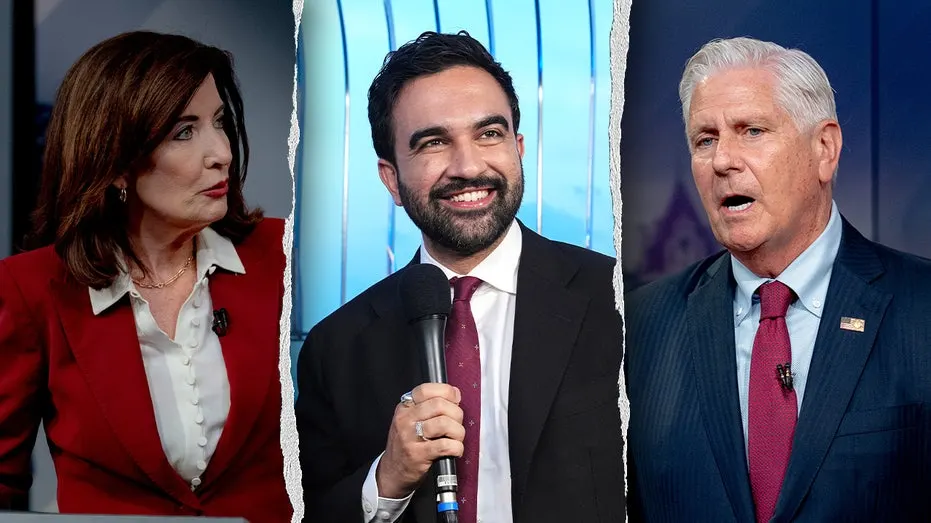
At a New York gubernatorial debate, Republican challenger Bruce Blakeman accused Mayor Zohran Mamdani of being antisemitic, anti-Christian and opposed to American values, and criticised Governor Kathy Hochul for campaigning with him. Hochul did not directly answer the accusations during the exchange, instead responding to another topic; the moment drew attention because she has endorsed Mamdani and is seeking re-election.
Asked the next morning why she had not defended the mayor, Hochul called Blakeman’s claims false or absurd and said she and Mamdani were “great partners”. Blakeman also criticised Mamdani’s executive order on the definition of antisemitism and his absence from an archbishop’s installation; he praised Mamdani’s choice of NYPD commissioner Jessica Tisch. A September Siena College poll put Hochul at 50% and Blakeman at 41% among likely voters, while 50% said Mamdani’s support was a plus for Hochul, compared with 30% who said it was a minus.
- Blakeman attacked Mamdani and Hochul over their political alliance.
- Hochul rejected the accusations but did not answer them during the debate.
- A poll showed Hochul leading Blakeman 50% to 41%.
New here? Start with this
New York’s governor is elected separately from the city’s mayor. Kathy Hochul, a Democrat, is seeking another term as governor, while Zohran Mamdani, also a Democrat, is mayor of New York City; Hochul has endorsed him and they work together on some issues.
Bruce Blakeman, the Republican candidate for governor, has criticised Mamdani’s views and decisions, including an order concerning how antisemitism is defined. The debate exchange drew attention to how Hochul handles those attacks while campaigning alongside the mayor, and to whether his support helps or hurts her election prospects.
Both sides, in good faith
The strongest fair case each way — we don't pick a winner.
The case for
Hochul’s supporters could argue that Blakeman’s accusations were politically charged and unsupported, and that she was right to reject them as false rather than let the debate become a proxy fight over Mamdani’s character. Her description of them as partners suggests she sees cooperation with the mayor as serving New Yorkers, while voters may reasonably weigh that relationship as a positive for her campaign.
The case against
Critics could argue that, having endorsed Mamdani and campaigned with him, Hochul owed voters a clear response when serious accusations about his views were raised. By turning to another topic during the debate, she left those claims unanswered in the moment, which could reasonably be seen as evasion and fuel questions about her judgement or willingness to defend an ally.