Stahl House struggles to sell despite $5 million price cut
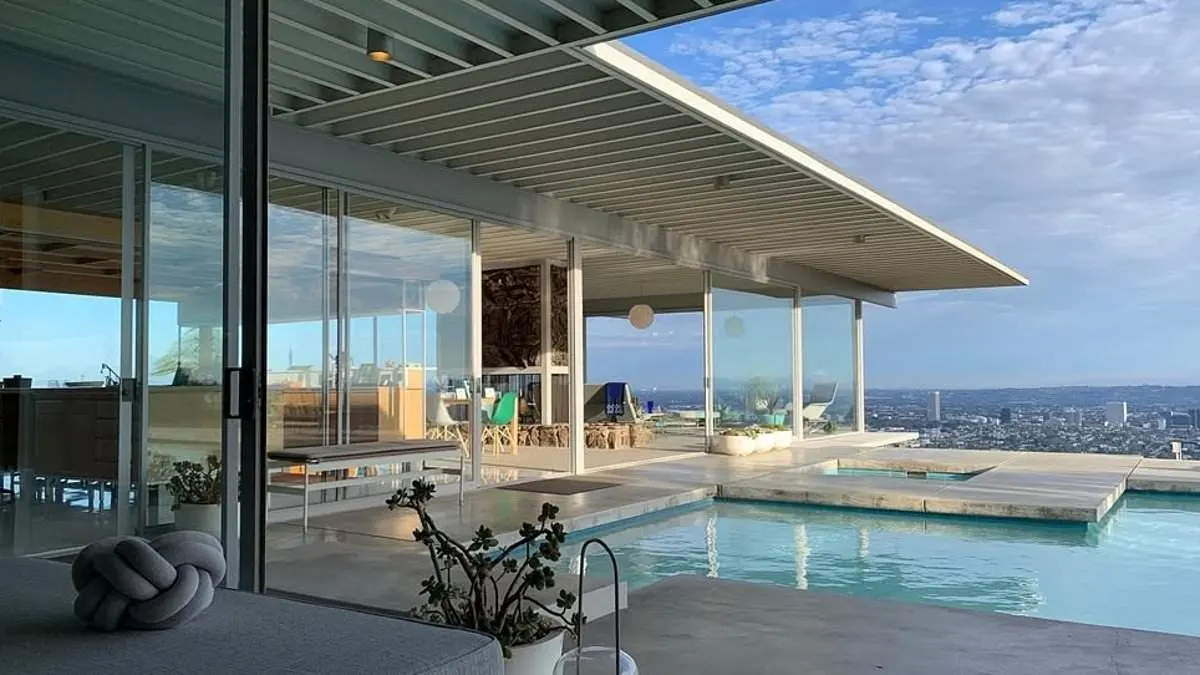
The Stahl House, a world-famous modernist mansion, has failed to sell in a year despite a recent $5 million price cut. The iconic 1960 Pierre Koenig-designed home, immortalised in Julius Shulman's celebrated 1960s black-and-white photograph, came to market after the Stahl family decided to sell following 65 years of ownership, citing difficulty maintaining the property as they aged.
The home was initially listed at $25 million before being reduced to $20 million in April. Real estate experts attribute the sluggish sales to the difficulty of translating architectural prestige into commercial value; the 2,300-square-foot property's minimalist steel-frame design with extensive glass walls does not appeal to most buyers seeking traditional living spaces. Agents also cite preservation concerns similar to those that complicated sales of other historically significant homes, such as Frank Lloyd Wright's Samuel Freeman House.
- Stahl House, iconic Hollywood home from famous 1960 photo, unsold after year on market
- Price slashed from $25m to $20m but architectural fame hard to translate to sales
- Minimalist design and high preservation concerns deter buyers, realtors say
New here? Start with this
The Stahl House is an iconic modernist mansion designed by architect Pierre Koenig in 1960, and became internationally famous through a striking black-and-white photograph taken by Julius Shulman. The property has been owned by the Stahl family for 65 years, but they put it on the market after finding it increasingly difficult to maintain as they aged.
The house illustrates why architecturally significant properties often struggle on the market. Its distinctive design—featuring a minimalist steel frame and expansive glass walls—appeals only to a limited pool of buyers, since most property purchasers prefer more conventional homes. The property faces challenges similar to other important buildings, such as Frank Lloyd Wright's Samuel Freeman House, where distinctive designs and preservation concerns deter mainstream buyers.
This mismatch between architectural prestige and commercial appeal reveals why buildings of cultural significance do not always attract strong buyer demand. Homes whose most striking features diverge from conventional preferences face particular challenges in the marketplace.
Both sides, in good faith
The strongest fair case each way — we don't pick a winner.
The case for
The Stahl House represents an irreplaceable piece of architectural and cultural heritage, immortalised in one of modernism's most celebrated photographs and designed by a master who fundamentally shaped twentieth-century building. Its historical significance justifies premium valuation, as acquiring and properly stewarding such a culturally important property reflects its role in preserving design history rather than its function as a conventional residence. Selling it cheaply risks irreversible modification or demolition, which would constitute permanent loss to cultural patrimony.
The case against
A home's genuine market value, however architecturally significant, must ultimately reflect what buyers are willing to pay for it. The property's practical limitations—its small footprint, extensive glass walls unsuitable for most living preferences, and expensive conservation requirements—create real disincentives that no amount of historical prestige can overcome for typical purchasers. The year-long sales struggle, even after significant price reductions, indicates the market's actual assessment; a more realistic valuation could allow the property to find an appropriate buyer who genuinely values it, whilst relieving the Stahl family's burden.
Americas Entertainment Film World
Read the full article at the source →
Originally published by Daily Mail as “Hollywood’s most famous house which was the setting for iconic photo struggles to find an owner despite $5m being slashed from price: ‘It’s a pair of golden handcuffs’”.