Home is where the jellyfish glows: Finland finally warms to nature-loving modernist Alvar Aalto
Alvar Aalto, Finland's most celebrated architect, once felt so underappreciated in his homeland that he named his boat "No man is a prophet in his own land." Today, Finland has completely reversed course: last month, 13 of his sites gained UNESCO world heritage status, and a major new exhibition is celebrating his work at Helsinki's Architecture & Design Museum. The transformation reflects Finland's rediscovery of Aalto as both a national treasure and a source of inspiration for contemporary thinking about wellness and sustainability in architecture.
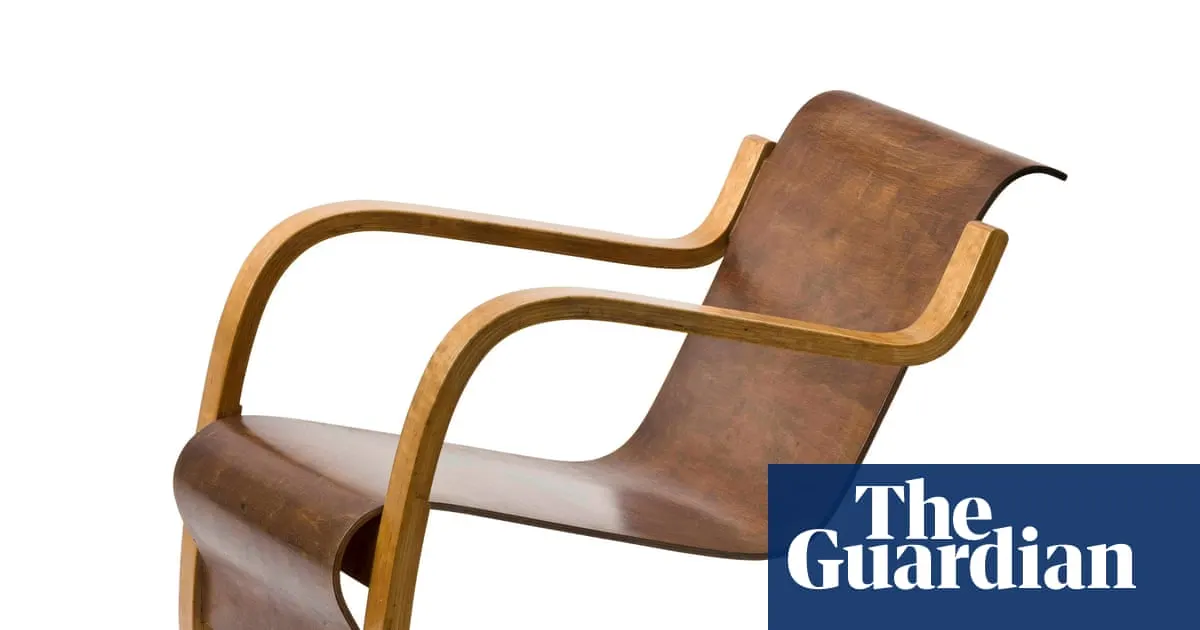
Aalto's early struggles at home stemmed from Finland's egalitarian values; in the 1950s, the architectural establishment resisted his dominance and he was denied a professorship at Helsinki University of Technology. Today, five UNESCO-listed sites stand in Helsinki alone, including the National Pensions Institute, Finlandia Hall, and Aalto's own residence and studio, all benefiting from substantial public restoration funding. A new "Aalto Design – Shapes of Wellbeing" exhibition has further broadened recognition of his collaborative achievements with his wives, Aino and Elissa, both architects themselves, and his nature-inspired design philosophy that shaped everything from buildings to furniture and lighting.
- Thirteen Aalto sites gain UNESCO status, finally cementing his Finnish legacy
- Once snubbed at home, the architect is now celebrated as a national treasure
- His nature-inspired designs speak to modern values of wellness and sustainability
New here? Start with this
Alvar Aalto was a Finnish architect and designer who became one of the most influential figures in twentieth-century modernism. His work shaped how buildings, furniture and everyday objects were designed, bringing together functional modernism with principles inspired by nature and human wellbeing. Today he is recognised internationally as a master of his craft, yet this recognition came late in his own country.
Finland's architectural establishment was slow to embrace Aalto despite his growing international fame. In the mid-twentieth century, Finland's strong egalitarian values meant the profession resisted the prominence of any single figure, and Aalto faced rejection when seeking university positions and public commissions. This resistance was so profound that he famously named his boat after the saying "no man is a prophet in his own land", capturing his sense of being undervalued at home.
Aalto's design approach prioritised how spaces and objects made people feel rather than pursuing pure geometric modernism. Working closely with his wives, who were also architects, he developed a philosophy infusing buildings with organic forms, natural materials and careful attention to light. This humanistic modernism, rooted in his observation of the natural world, has become increasingly relevant to contemporary thinking about sustainable and wellness-focused architecture.