Cornell fraternity gang rape allegation centres on disputed intoxication claims as defence cites text messages
Developed over time first seen 18 minutes ago
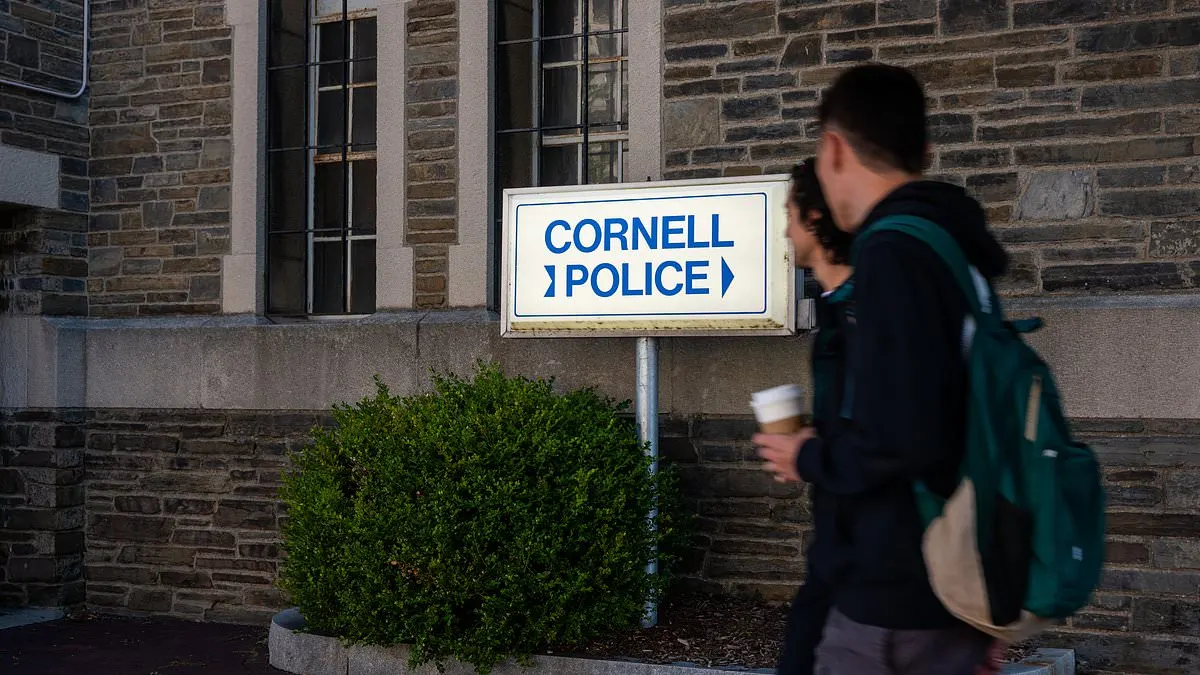
A woman has filed a civil complaint against seven members of Chi Phi fraternity at Cornell University, alleging she was gang-raped at a campus party on 19 October 2024. The case hinges on questions of consent and the alleged victim's level of intoxication during the incident. According to court documents, the woman reported being at the party and alleges multiple fraternity members assaulted her, raising broader concerns about how sexual assault can occur within university fraternity environments.
The defence strategy has focused on newly released text messages showing the alleged victim messaging her roommate during the time of the alleged assault. These communications are being used to argue that she was more aware and less intoxicated than she claims, creating a significant point of contention in the case. The defence contends the messages demonstrate she retained sufficient cognitive function to communicate clearly, challenging the prosecution's characterisation of her mental state at the time of the alleged incident.
- Seven Chi Phi fraternity members at Cornell University face civil allegations of gang rape at an October 2024 party
- Defence strategy relies on text messages allegedly sent by the accuser to her roommate during the incident to dispute claims of severe intoxication
- The case centres on conflicting accounts of the alleged victim's awareness and consent capabilities at the time
New here? Start with this
A woman has filed a civil lawsuit against seven members of Chi Phi fraternity at Cornell University, accusing them of gang rape at a campus party in October 2024. The case centres on whether she was able to consent to sexual activity, with the disputed question being how intoxicated she was at the time of the alleged assault.
The legal dispute has turned on text messages the woman sent during the period when she says the assault occurred. The defendants argue these messages demonstrate she was alert enough to communicate clearly, suggesting she was less incapacitated than she claims and therefore capable of giving consent. This creates a key point of disagreement about her mental state that will be central to the case.
The case raises broader questions about how universities and the legal system handle sexual assault allegations within fraternity environments. It illustrates the challenge of determining consent in situations involving alcohol, where different interpretations of someone's cognitive state can lead to fundamentally different conclusions about whether a crime took place.
Both sides, in good faith
The strongest fair case each way — we don't pick a winner.
The case for
The ability to send text messages during an evening does not reliably indicate capacity to consent to sexual activity. Intoxication impairs cognitive functions unevenly—people often retain motor skills and habitual communication abilities whilst losing judgment and impulse control. Text messages are isolated moments in time that cannot capture the alleged victim's overall condition throughout the night, particularly during the alleged assaults. Evidence that she cannot recall significant portions of the evening suggests a level of incapacity that text messages alone cannot refute.
The case against
Text messages sent contemporaneously are objective evidence of the alleged victim's actual mental state, more reliable than retrospective recollection. If she could compose clear, coherent written communication, she plainly retained sufficient cognitive function to communicate her wishes. Whilst intoxication exists on a spectrum, the burden falls on the prosecution to prove incapacity to consent—not on the defence to disprove it. Functional communication substantially undermines claims of such severe incapacity that she could neither consent nor actively resist, and supports the view that consent or resistance were expressed in real time.