Technology news and discussion on TalkFuse.
Apple’s HomeView relies on nearby devices, unlike standalone Echo Shows
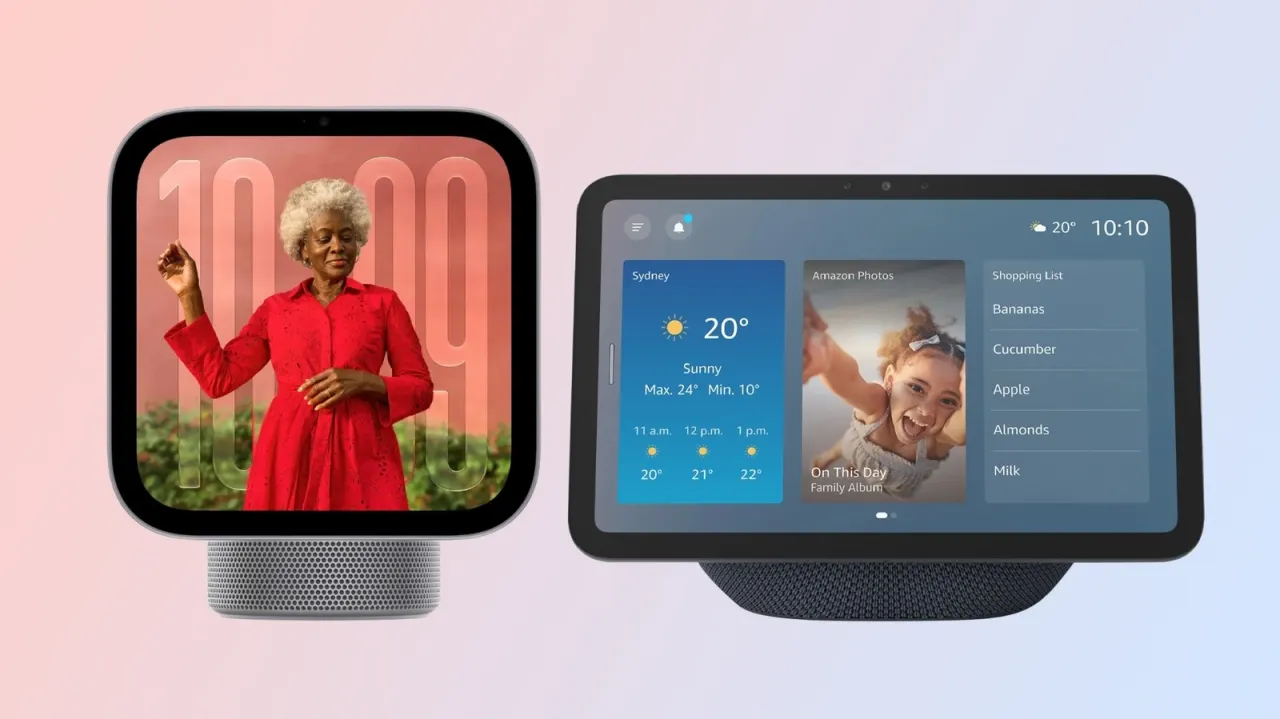
Apple’s $299 HomeView brings Apple into the smart-display market, where Amazon’s Echo Show range is already established. The main difference is how each fits into a home: Echo Show works as a standalone device, while HomeView is designed as an accessory for people who already use Apple products.
HomeView has a 7-inch square screen and an A18 chip; Echo Show models range from a 5.5-inch, $99 device to a 21-inch, $499 display, with the 8.7-inch Echo Show 8 the closest comparison. HomeView needs an iPhone or iPad for setup, and personal Siri requests require a nearby, recently unlocked iPhone 15 Pro or later. Its apps mirror those available on an iPhone through CarPlay, while Echo Show uses Alexa Skills; their cameras also differ, with HomeView focused on FaceTime and recognition, and Echo Show able to monitor the home.
In short
- HomeView costs $299 and is built for Apple users.
- Echo Show works independently and comes in more sizes.
- The choice depends largely on your home’s device ecosystem.
Steelman: both sides, in good faith
The strongest fair case each way — we don't pick a winner.
The case for
HomeView’s reliance on nearby Apple devices could make it a more integrated and private-feeling choice for households already invested in Apple, with familiar apps and FaceTime in a compact display. Requiring a recently unlocked iPhone for personal Siri requests may also reassure people who value control over when personal information is accessible.
The case against
That same reliance limits HomeView’s usefulness as a standalone household device: setup requires an iPhone or iPad, and personal Siri requests depend on a nearby, recently unlocked newer iPhone. Echo Show offers a wider range of sizes and prices and works independently, with Alexa Skills and home-monitoring features that may better serve households seeking a flexible display without Apple-device requirements.
Explained simply
Smart displays combine a screen and speaker with a voice assistant, letting people use services such as video calls, music and smart-home controls. Amazon’s Echo Show range is an established example, with models in several sizes and prices.
Apple’s HomeView is designed to work with the company’s existing devices and services. It needs an iPhone or iPad for setup, and some personal Siri requests depend on a nearby, recently unlocked iPhone. The two product ranges also differ in the apps and camera features they support.
The comparison matters because it shows two ways of fitting a smart display into a home: as a device that can work on its own, or as part of a wider product ecosystem. That affects what equipment people need and which services they can use.
Read the full article at the source →
Originally published by Engadget as “HomeView vs. Echo Show: What’s the difference between Apple’s and Amazon’s smart displays?”.