Technology news and discussion on TalkFuse.
How AI is creating a UK super-museum and revealing our planet’s history
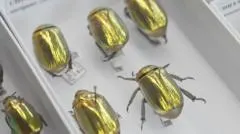
Researchers in the UK are using robots and AI to create a digital museum bringing together millions of specimens from collections around the country. The project matters because it will make material that is often hard to access available to the public and researchers, helping them study changes in nature, climate, food supplies and species over time.
The Distributed System of Scientific Collections (DiSSCo UK) aims to make around 70 million animals, plants, fossils and rocks viewable online. About 100 museums, gardens, universities and other organisations are involved; an initial phase in Wales and Scotland will focus on insects and plants, including around half a million specimens in Cardiff. AI-assisted scanning also captures handwritten labels, and the team estimates that automation could reduce work that would take centuries by hand to about a decade.
In short
- AI and robots are helping digitise millions of UK natural history specimens.
- The online collection aims to include around 70 million items.
- Researchers hope it will reveal long-term environmental and species changes.
Steelman: both sides, in good faith
The strongest fair case each way — we don't pick a winner.
The case for
Digitising museum collections through AI-assisted cataloguing is essential for making scientific knowledge universally accessible and enabling researchers worldwide to address pressing questions about climate change and biodiversity. The massive efficiency gains, combined with the protection of delicate specimens through reduced handling and the collaborative power of connecting collections across institutions, represent an unprecedented opportunity to serve both public understanding and scientific advancement.
The case against
Whilst digitisation has real value, questions remain about whether this represents the optimal allocation of finite museum resources. Concerns include whether AI-assisted cataloguing maintains the rigour and contextual knowledge of human expertise, whether all materials should be digitised without considering cultural sensitivity and appropriate access restrictions, whether long-term digital infrastructure will be sustained indefinitely, and whether the irreplaceable value of hands-on engagement with physical specimens for research and education is being overlooked in the enthusiasm for universal digital access.
Explained simply
Across the UK, museums, universities and gardens hold millions of specimens—insects, plants, fossils, rocks—collected over centuries. Much of this material is difficult for the public or researchers to access. A new project called DiSSCo UK is using artificial intelligence and robots to scan these specimens and create a single digital museum that will make them available online to anyone.
Around 100 organisations are taking part in the initiative, which aims eventually to digitise around 70 million items. An initial phase is focusing on Wales and Scotland, beginning with insects and plants, including around half a million specimens housed in Cardiff. The AI technology not only captures images but also reads and records the handwritten labels that often accompany specimens, work that would otherwise take many centuries to complete by hand.
This matters because digital access will let researchers and members of the public study how nature, climate, food supplies and species have changed over time. The specimens represent a detailed historical record stretching back generations, and making them available in one place will help scientists understand environmental and biological shifts that could inform understanding of contemporary challenges.
AI Art Culture Science Technology UK World