Science news and discussion on TalkFuse.
How and when to see the peak of the Leonid meteor shower
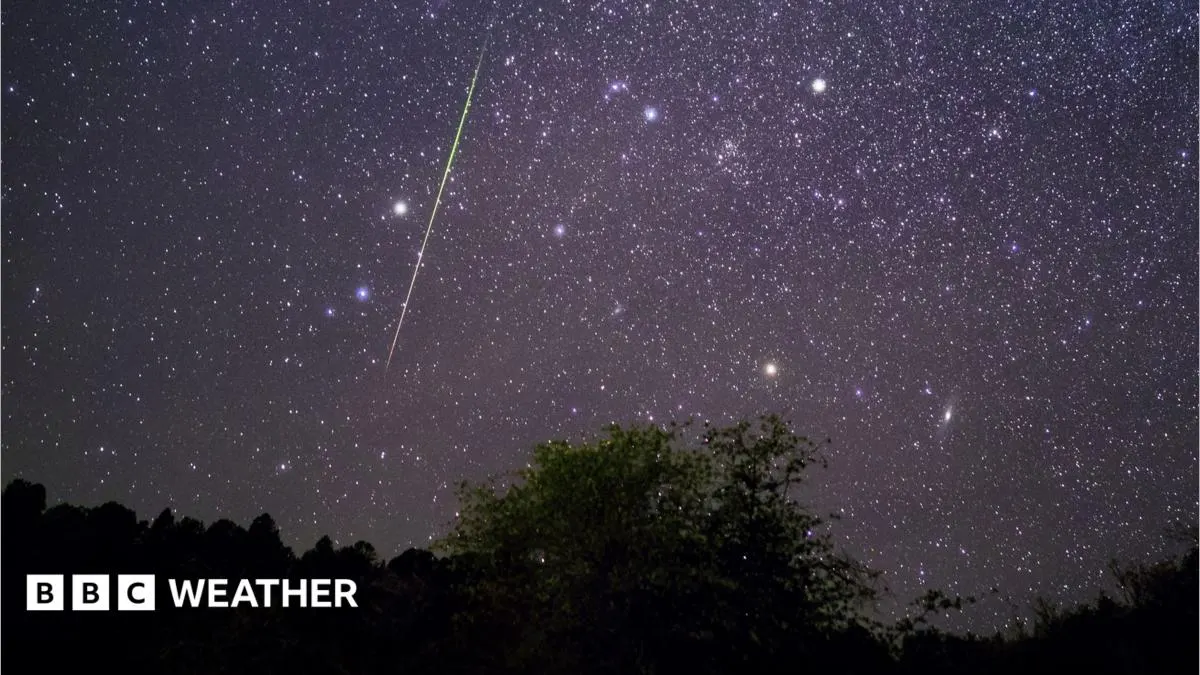
The Leonid meteor shower is expected to peak over the UK on Tuesday night, 17 November, and into the early hours of Wednesday, offering the best chance to see it this year. The shower can produce up to 10 to 15 meteors an hour, though visibility will depend on clear skies.
The meteors are dust from Comet 55P/Tempel-Tuttle, travelling into Earth’s atmosphere at up to 71 kilometres per second. For the best view, find a safe, dark, open spot and let your eyes adjust for 20 to 30 minutes; look towards Leo after midnight, when the constellation rises and the Moon has set. Far northern Scotland is forecast to have the clearest conditions, while cloud and occasional rain may limit views elsewhere.
In short
- The Leonids peak on Tuesday night into Wednesday morning.
- Up to 10 to 15 meteors an hour may be visible.
- Look after midnight from a dark spot with clear skies.
Explained simply
The Leonids are one of several meteor showers seen each year as Earth passes through trails of dust left by comets. The tiny particles burn up high in the atmosphere, making brief streaks of light that are often called shooting stars.
This shower comes from dust shed by Comet 55P/Tempel-Tuttle as it travels around the Sun. Its meteors appear to come from the direction of Leo, a constellation, which gives the Leonids their name. How many can be seen varies from year to year and depends on viewing conditions.