Woolworths freight levy rise could push up supermarket prices in Australia
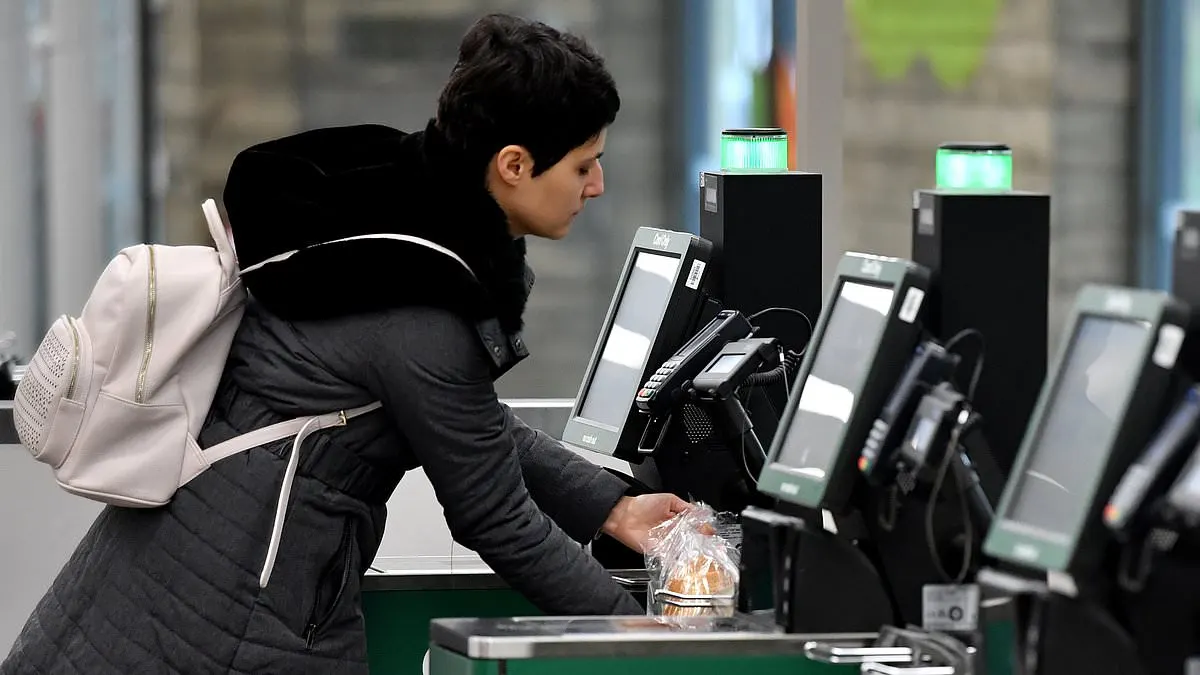
Australians are set to pay more at supermarket checkouts as Woolworths increases prices following fuel levy hikes imposed by its logistics arm, Primary Connect. The rises reflect surging fuel costs caused by the ongoing Middle East conflict, which has disrupted global oil supply routes and forced logistics companies to increase charges to remain viable.
Primary Connect's fuel levy for metropolitan areas has jumped from 17.47 per cent to 19.88 per cent, whilst regional charges have increased from 44.20 per cent to 50.30 per cent, a dramatic rise from the 7.28 per cent metro charge before the Iran-United States conflict began in February. The logistics arm serves Woolworths and other major brands including Sanitarium, PepsiCo, Ingham's and Arnott's, and supply chain experts warn that suppliers will ultimately pass the increased costs on to consumers, though not necessarily in direct proportion to the levy rises. Australia's elevated inflation rate is being compounded by fuel costs that rose 14.8 per cent in August alone, with the Reserve Bank governor acknowledging that businesses are likely to pass on higher operational costs if the Middle East conflict continues.
- Woolworths logistics arm raises fuel levies for suppliers significantly
- Metro charges jump to 19.88%, regional areas to 50.30%
- Higher supplier costs expected to increase consumer grocery prices
New here? Start with this
Primary Connect is the logistics arm of Australian supermarket chain Woolworths, responsible for transporting goods for major retailers and food manufacturers across Australia. The company has just increased its fuel levies substantially, reflecting dramatic rises in global fuel costs that supply chain companies face daily.
These fuel levy increases will ripple through Australia's supply chain. Primary Connect serves not only Woolworths but also other major brands including Sanitarium, PepsiCo, Ingham's and Arnott's. When logistics companies raise their charges, these costs typically flow through to retailers, who then adjust their own prices.
Australia's inflation story is being shaped by energy costs tied to international events. The Middle East conflict that began in February has disrupted global oil supply routes, pushing fuel prices higher around the world. Since many Australian industries depend on transport, these fuel costs ultimately affect how much consumers pay for everyday goods at the supermarket.
Both sides, in good faith
The strongest fair case each way — we don't pick a winner.
The case for
These price increases reflect genuine economic pressures facing logistics companies in response to unprecedented global supply chain disruptions. Fuel costs have surged substantially due to Middle East conflict, and logistics operators cannot continue operating at a loss without jeopardising supply chain stability itself. As the Reserve Bank acknowledges, businesses facing higher operational costs will necessarily pass these on to consumers; refusing to do so would force primary suppliers and logistics firms into insolvency, ultimately harming food security and availability far more than measured price increases. The substantial difference between metropolitan and regional levies reflects the genuine cost structure of remote delivery operations.
The case against
Whilst fuel costs have indeed risen, large integrated companies like Woolworths have considerable scope to absorb portions of these costs through operational efficiencies and negotiating leverage that smaller suppliers lack. Passing the entirety of increased costs immediately to already-struggling consumers compounds inflation without exploring alternatives. The steep levy increases appear to exceed fuel price rises alone, suggesting room for corporate restraint. Consumers should not bear the complete burden of international crises when major corporations have financial resilience and negotiating power that household budgets do not possess; a phased approach or partial cost-sharing would demonstrate genuine responsibility during economically difficult times.
Read the full article at the source →
Originally published by Daily Mail as “How Aussies could soon be paying more at Woolworths checkouts – as the supermarket hikes prices for suppliers using its freight network”.