How Candle House’s Immersive Theater Show ‘The Pineapple’ Became a Spooky L.A. Hit, Playing 76 Shows With Just One Ticket for Each Performance
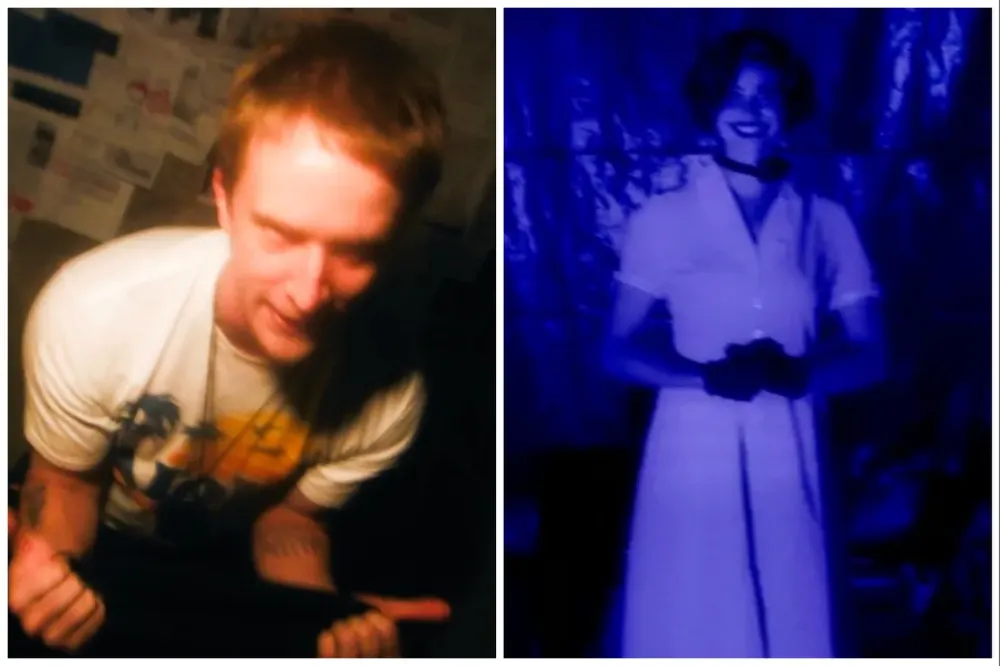
Candle House's immersive theatre production "The Pineapple" has concluded a 76-performance run in North Hollywood with a distinctive concept: each show featured exactly one audience member. The supernatural-themed production, which involves significant audience participation at secret locations revealed only at the last minute, sold nearly all 76 tickets at $247 each almost entirely through word of mouth, before receiving major press coverage.
The show ran from September 15 to October 5, 2026, with founder Evan Neiden and the cast performing intimate one-to-one interactions designed to be highly subjective and disorienting for each attendee. Nearly all performances sold out despite minimal mainstream awareness, driven solely by Candle House's growing cult following. The company has indicated "The Pineapple" will not return, though Candle House's next Los Angeles production is expected to generate significantly more attention.
- Immersive show "The Pineapple" had 76 performances with one audience member each at $247.
- Nearly all shows sold out through word of mouth before major press coverage appeared.
- Supernatural production features audience participation at secret locations with subjective experiences.
New here? Start with this
"The Pineapple" is an immersive theatre production created by Candle House, a Los Angeles-based performance company. The show's most distinctive feature is that each performance has exactly one audience member, who experiences an intimate, supernatural-themed production designed specifically for that individual.
The production involves significant audience participation at secret locations that are revealed to ticket-holders only at the last moment. Founded by Evan Neiden, Candle House designed each show to be highly subjective and disorienting, creating a uniquely personal experience for each attendee rather than a traditional group theatre experience.
The show's commercial success was notable given its lack of mainstream marketing. Nearly all 76 tickets, priced at $247 each, sold out almost entirely through word of mouth recommendations before receiving significant press coverage, demonstrating that strong audience interest alone can drive success in the theatre market.
Both sides, in good faith
The strongest fair case each way — we don't pick a winner.
The case for
This represents genuine artistic innovation that challenges theatrical conventions. The one-to-one intimate format and deliberate secrecy serve creative purposes, creating unparalleled subjective experiences that larger audiences cannot replicate. The near-complete sell-out through word-of-mouth alone demonstrates authentic cultural resonance and audience passion, proving there is legitimate demand for radical experimentation and exclusivity. Such ventures expand what theatre can be and who creates it.
The case against
Whilst creative, this model raises legitimate concerns about accessibility and whether novelty obscures actual artistic substance. Charging $247 per ticket across 76 exclusive shows necessarily restricts access to the wealthy and well-connected, undermining theatre's democratic potential. The extreme scarcity and secrecy surrounding locations may be generating buzz and artificial prestige rather than serving substantive artistic content. Without transparency about what attendees experienced, it remains unclear whether the value proposition lies primarily in the theatrical work itself or in the marketable exclusivity.